





Tachinus corticinus
Tachinus corticinus
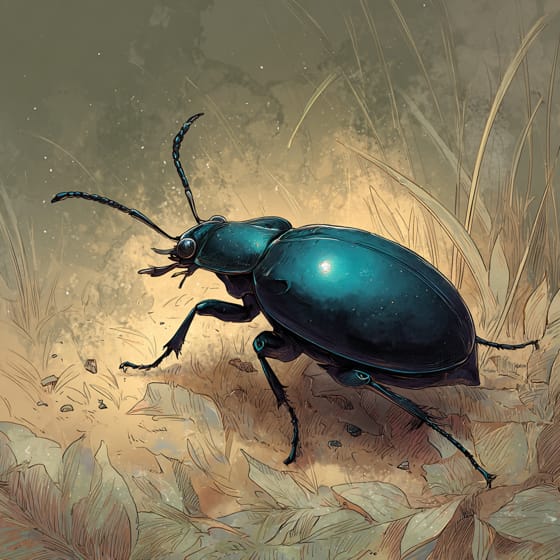
El Tachinus corticinus es un pequeño escarabajo al que le encanta esconderse bajo la corteza de los árboles. Tiene un cuerpo brillante y a menudo se encuentra en bosques o jardines, ayudando a descomponer la madera en descomposición.
Hábitat: Bosques
El Tachinus corticinus es un escarabajo estafilínido pequeño y delgado, típicamente de color marrón oscuro a negro con patas y antenas de color marrón rojizo. Su característica más distintiva son sus élitros muy cortos que dejan expuesta la mayor parte de su abdomen segmentado, dándole una apariencia alargada y cónica.
Categoría
InsectosRareza
Common
Peligro
1/5 · Muy bajo
Snaps
¡Sé la primera persona en hacer un snap!
¡Los Tachinus corticinus bebés parecen pequeños gusanos pero son depredadores veloces, al igual que sus padres!
¡Incluso con élitros cortos, este escarabajo es un volador poderoso, surcando el bosque!
¡Si se le molesta, puede levantar la cola como un escorpión, lo que podría ahuyentar a los depredadores!
¡Estos escarabajos son como pequeñas brigadas de limpieza, ayudando a descomponer las cosas muertas en la naturaleza!
El Tachinus corticinus puede escapar rápidamente gracias a su cuerpo ágil y sus largas patas, lo que les ayuda a evadir a los depredadores en un instante.
El Tachinus corticinus tiene alas especiales plegadas bajo sus élitros cortos que les ayudan a emprender el vuelo al instante.
El Tachinus corticinus tiene una dieta que incluye materia en descomposición, lo que les ayuda a descomponer la materia orgánica y limpiar el bosque.
Este escarabajo es omnívoro, se alimenta de plantas en descomposición y pequeños insectos que se encuentran en los restos del bosque.
Folsomia candida
Caza estos pequeños artrópodos en la hojarasca.

Sorex araneus
Puede ser presa de musarañas que buscan alimento en el suelo del bosque.
Carabus nemoralis
Los escarabajos de tierra depredadores más grandes pueden cazarlos.
Los animales solitarios viven solos durante la mayor parte de su vida y solo interactúan con otros para aparearse o cuidar de sus crías.
Los hábitats boscosos son entornos terrestres dominados por una densa cubierta arbórea, que sustentan una gran diversidad de vida animal y vegetal.
Describe a los organismos que descomponen la materia orgánica muerta, reciclando los nutrientes de vuelta al ecosistema.
Describe una especie cuya presencia y papel tienen un efecto desproporcionadamente grande en su entorno.

Relativo a especies que son significativamente más pequeñas que lo típico o promedio de su tipo.

Describe organismos que transfieren polen, permitiendo la fertilización y reproducción de las plantas.
Todavía no hay alias listados.
Peligro
1/5 · Muy bajo
Estos escarabajos son inofensivos, pero es mejor mirarlos sin tocarlos.
La forma más fácil de identificar a Tachinus corticinus es usar la aplicación de identificación de naturaleza Snappit.
8-14 mm
4-7 mm
30-90 días
7 km/h
Este escarabajo es omnívoro, se alimenta de plantas en descomposición y pequeños insectos que se encuentran en los restos del bosque.
Bosques
Búsqueda De Alimento
Acércate para separar los grupos y explorar dónde se ha fotografiado este objeto.
Los snaps recientes aparecerán aquí a medida que se añadan nuevas observaciones.
Llévate el descubrimiento
Haz una foto con Snappit, identifica la especie y guarda el hallazgo en tu colección.









.jpg&width=800)


