

Tachytes
tachytes
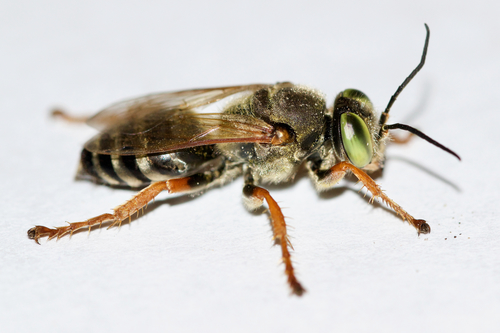
Tachytes es un género de avispas solitarias y depredadoras de cuerpo robusto, pertenecientes a la familia Crabronidae, comúnmente conocidas como avispas de cabeza cuadrada o avispas de arena. Estos laboriosos insectos son reconocidos por sus habilidades de caza altamente especializadas y su comportamiento de anidación, donde las hembras excavan profundas madrigueras en suelo arenoso para criar a su descendencia. Rápidas e increíblemente ágiles voladoras, las Tachytes son depredadores muy beneficiosos en muchos ecosistemas, helping to control naturally las poblaciones de plagas herbívoras como saltamontes y langostas. A diferencia de las avispas sociales, cada hembra trabaja completamente sola para establecer su nido y asegurar alimento para su futura prole. Sus laboriosos hábitos de excavación, sus patrones de vuelo veloz y sus llamativas características faciales los convierten en un tema fascinante tanto para observadores de vida silvestre como para entusiastas de los insectos.
Hábitat: Se encuentra típicamente en ambientes abiertos y soleados con suelos sueltos y arenosos, como dunas costeras, riberas de ríos y campos arenosos.
Las avispas Tachytes suelen medir entre 1 y 2 centímetros de largo, con cuerpos robustos cubiertos de finos pelos dorados o plateados que les dan una apariencia ligeramente empolvada o metálica. Su característica más distintiva y llamativa son sus grandes ojos compuestos, que a menudo son de un verde brillante y vívido o verde dorado cuando están vivos. Poseen cabezas cortas y anchas y alas claras o ligeramente ahumadas con una envergadura de aproximadamente 1.5 a 3 centímetros. Sus patas están fuertemente armadas con cerdas en forma de espina, particularmente en las patas delanteras, que forman una estructura similar a un peine adaptada para mover la arena.
Categoría
InsectosRareza
Común
Peligro
1/5 · Muy bajo
Snaps
¡Sé la primera persona en hacer un snap!
Algunas especies son llamadas cariñosamente 'sopladoras de langostas' debido al rápido zumbido y la alta velocidad con la que transportan presas pesadas por el aire.
Sus brillantes ojos verdes pierden su color brillante y se oscurecen poco después de que la avispa muere, haciendo que los especímenes vivos sean especialmente llamativos.
Para evitar que otros depredadores o parásitos encuentren sus nidos, las hembras de Tachytes cubren cuidadosamente las entradas de sus madrigueras con arena cada vez que salen a cazar.
Posee peines tarsales especializados en las patas delanteras que permiten a la avispa excavar rápidamente arena suelta de su madriguera de anidación como una mini retroexcavadora.
Administra una picadura precisa a los centros motores de sus presas ortópteras, paralizándolas por completo mientras las mantiene vivas para asegurar alimento fresco para las larvas.
Capaz de un vuelo rápido y veloz, y de un vuelo estacionario preciso, lo que les permite detectar presas camufladas en el suelo y navegar por terrenos complejos.
Los adultos se alimentan principalmente del néctar azucarado de las flores, mientras que sus larvas depredadoras se alimentan exclusivamente de ortópteros paralizados proporcionados por la madre.
Melanoplus femurrubrum
Las hembras cazan y paralizan esta especie para abastecer sus cámaras larvarias subterráneas.

Daucus carota
Las avispas adultas se alimentan del néctar de estas flores, ayudando con la polinización en el proceso.
Sphex ichneumoneus
Compite por sitios de anidación arenosos adecuados y especies de presas ortópteras superpuestas.
Aún no hay insignias de rasgos asignadas a este objeto.
Todavía no hay alias listados.
Las colecciones para este objeto aparecerán aquí a medida que se añadan más temas.
Peligro
1/5 · Muy bajo
Todavía no hay notas especiales de seguridad.
Busca seis patas, antenas, tres secciones en el cuerpo y la forma de las alas. Los escarabajos tienen las alas delanteras endurecidas; las moscas solo tienen un par que funciona. Los insectos diminutos pueden necesitar un primer plano antes de que se vea su grupo. Identificador de insectos: sube una foto y compara los detalles visibles.
1+ cm
1+ cm
0.0001+ kg
1+ años
15 km/h
Los adultos se alimentan principalmente del néctar azucarado de las flores, mientras que sus larvas depredadoras se alimentan exclusivamente de ortópteros paralizados proporcionados por la madre.
Se encuentra típicamente en ambientes abiertos y soleados con suelos sueltos y arenosos, como dunas costeras, riberas de ríos y campos arenosos.
Acércate para separar los grupos y explorar dónde se ha fotografiado este objeto.
Los snaps recientes aparecerán aquí a medida que se añadan nuevas observaciones.
Llévate el descubrimiento
Haz una foto con Snappit, identifica la especie y guarda el hallazgo en tu colección.