





Taeniaptera Trivittata
taeniaptera trivittata
¡La Taeniaptera Trivittata es un insecto colorido y fascinante que se puede encontrar revoloteando en los jardines! Sus colores brillantes la hacen fácil de detectar y divertida de aprender.
Hábitat: Jardines, bosques y praderas.
La Taeniaptera Trivittata es una mosca delgada de cuerpo negro con patas increíblemente largas y finas, a menudo sostenidas en alto. Sus alas transparentes presentan bandas y manchas oscuras distintivas, mientras que su abdomen puede tener sutiles marcas amarillentas, dándole una apariencia llamativa, casi parecida a una avispa.
Categoría
InsectosRareza
Common
Peligro
1/5 · Muy bajo
Snaps
1
Las crías de Taeniaptera Trivittata son gusanos que se alimentan de plantas en descomposición dentro de la madera.
En lugar de volar, a menudo 'bailan' para confundir a pájaros o lagartos hambrientos.
¡A estas moscas también se les llama 'moscas zancudas' por sus patas súper largas!
¡Usan su asombroso mimetismo para engañar incluso a depredadores inteligentes como las arañas saltarinas!
Taeniaptera Trivittata puede evitar a los depredadores imitando a las avispas, usando su coloración y sus distintivos movimientos de patas para parecer un insecto más peligroso.
Taeniaptera Trivittata tiene patas increíblemente largas y delicadas que les ayudan a realizar una 'danza zancuda' única para confundir a los depredadores hambrientos.
Taeniaptera Trivittata puede agitar sus patas delanteras en el aire, haciéndolas parecer antenas, lo que ayuda a completar su convincente disfraz de hormiga o avispa.
A los adultos les encanta el néctar dulce, ¡mientras que sus larvas son pequeñas recicladoras de la naturaleza, comiendo plantas en descomposición!
Diferencias por edad: Las larvas se alimentan de madera en descomposición y otras materias vegetales, mientras que los adultos consumen principalmente néctar y savia de plantas.
Phidippus audax
una araña saltarina común que depreda moscas
Tyrannus melancholicus
un ave insectívora común en su hábitat
Musa acuminata
las larvas se alimentan de tallos y frutos de plátano en descomposición
Heliconia psittacorum
los adultos visitan sus flores en busca de néctar, ayudando a la polinización
Los animales sociales viven en grupos organizados, cooperando para obtener beneficios de supervivencia como la búsqueda de alimento, la defensa y la cría de descendencia.
Colorido describe a organismos u objetos que exhiben una amplia variedad de colores brillantes y distintivos.
Los hábitats boscosos son entornos terrestres dominados por una densa cubierta arbórea, que sustentan una gran diversidad de vida animal y vegetal.
Los animales diurnos están activos principalmente durante el día y suelen descansar o dormir por la noche.

Describe organismos que transfieren polen, permitiendo la fertilización y reproducción de las plantas.
Peligro
1/5 · Muy bajo
Todavía no hay notas especiales de seguridad.
La forma más fácil de identificar a Taeniaptera Trivittata es usar la aplicación de identificación de naturaleza Snappit.
10-18 mm
6-10 mm
20-40 días
5 km/h
A los adultos les encanta el néctar dulce, ¡mientras que sus larvas son pequeñas recicladoras de la naturaleza, comiendo plantas en descomposición!
Jardines, bosques y praderas.
Búsqueda De Alimento
Acércate para separar los grupos y explorar dónde se ha fotografiado este objeto.

Georgia, US
Puedes ver Musgo Español, Anolis Verde y Helecho Reviviscente.
Ver guía →

Georgia, US
Puedes ver Musgo Español, Anolis Verde y Helecho Reviviscente.
Ver guía →
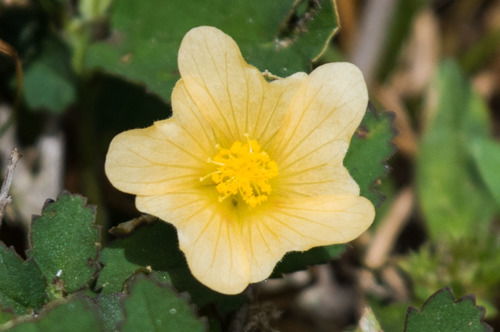
Florida, US
Puedes ver Sida Común, Pino De Cook y Verdolaga Común.
Ver guía →
Llévate el descubrimiento
Haz una foto con Snappit, identifica la especie y guarda el hallazgo en tu colección.








.jpg&width=800)


