


Texas Horned Lizard
Phrynosoma cornutum
The Texas Horned Lizard is a small, spiky reptile that looks like a tiny dinosaur! It can change color to blend in with its surroundings and loves to bask in the sun.
Hábitat: Desert
The Texas Horned Lizard is a flat-bodied reptile with a spiky crown of horns on its head and two rows of fringe along its sides. Its skin is typically tan, brown, or grey, often speckled with darker blotches for camouflage, making it visually distinct.
Categoría
ReptilesRareza
Common
Peligro
1/5 · Muy bajo
Snaps
¡Sé la primera persona en hacer un snap!
Many people call them 'horny toads,' but they are actually lizards, not amphibians!
Texas Horned Lizards can live for up to 10 years in the wild!
Their diet mainly consists of harvester ants, which many other animals avoid!
They can burrow into sand in seconds, vanishing right before your eyes!
Texas Horned Lizard can squirt streams of blood from its eyes that helps scare off predators.
Texas Horned Lizard has bumpy, patterned skin that helps them blend perfectly with rocks and sand.
Texas Horned Lizard has sharp horns and spiny scales that protect it from being easily eaten.
Texas Horned Lizard has a sticky tongue that helps them quickly slurp up many ants at once.
These lizards primarily eat ants, using their sticky tongue to slurp them up quickly and efficiently.
Pogonomyrmex barbatus
Primary food source, often found near their nests.

Pogonomyrmex rugosus
Another key ant species in their diet.
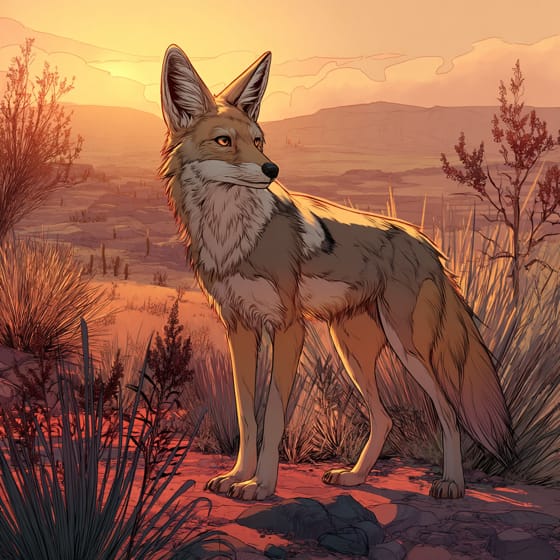
Canis latrans
Common predator across its range.
Buteo jamaicensis
Bird of prey that hunts ground-dwelling lizards.
Masticophis flagellum
Fast-moving snake that preys on lizards.
Los animales solitarios viven solos durante la mayor parte de su vida y solo interactúan con otros para aparearse o cuidar de sus crías.
Se caracteriza por tener una o más proyecciones duras, permanentes y puntiagudas en la cabeza.
Este rasgo identifica a los organismos cuya dieta consiste principalmente en insectos y otros pequeños invertebrados.
Los organismos termorreguladores mantienen una temperatura corporal interna estable a pesar de las fluctuaciones en el entorno exterior.

Los hábitats desérticos son regiones áridas caracterizadas por precipitaciones extremadamente bajas y, a menudo, temperaturas extremas, que albergan una flora y fauna especializadas.

Un depredador de emboscada caza esperando pacientemente y ocultándose, para luego lanzar un ataque repentino cuando una presa desprevenida se pone a su alcance.

Posee proyecciones puntiagudas y afiladas o espinas en el cuerpo o en la superficie.

Los animales diurnos están activos principalmente durante el día y suelen descansar o dormir por la noche.

El estado de amenazado indica que es probable que una especie pase a estar en peligro de extinción en el futuro cercano si no se toman medidas efectivas de conservación.
Peligro
1/5 · Muy bajo
It's best to watch these lizards from a distance and not touch them, as they can be scared easily.
6-12 cm
0.045-0.1 kg
5-8 años
10 km/h
These lizards primarily eat ants, using their sticky tongue to slurp them up quickly and efficiently.
Desert
Foraging
10-30
Acércate para separar los grupos y explorar dónde se ha fotografiado este objeto.
Los snaps recientes aparecerán aquí a medida que se añadan nuevas observaciones.