





Thermonectus marmoratus
Thermonectus marmoratus
El Thermonectus marmoratus, también conocido como escarabajo acuático jaspeado, es un insecto brillante al que le encanta nadar en estanques y lagos. Tiene un hermoso patrón jaspeado en su espalda, lo que lo hace lucir especial en el agua.
Hábitat: Estanques y lagos de agua dulce
El Thermonectus marmoratus tiene un cuerpo elegante y ovalado, típicamente de color marrón oscuro a negro, adornado con distintivos patrones jaspeados amarillentos o anaranjados en sus élitros. Su forma aerodinámica y sus patas aplanadas están adaptadas para un movimiento acuático rápido, lo que lo hace visualmente distinto de los escarabajos terrestres.
Categoría
InsectosRareza
Common
Peligro
1/5 · Muy bajo
Snaps
2
Los escarabajos adultos pueden volar distancias sorprendentemente largas entre estanques para encontrar nuevos hogares.
Las hembras de escarabajos acuáticos jaspeados ponen hábilmente sus huevos dentro de plantas acuáticas para mayor seguridad.
Sus larvas son apodadas 'tigres de agua' porque son cazadores submarinos muy feroces.
¡Pueden colgarse boca abajo en la superficie, usando su parte trasera como un esnórquel!
El Thermonectus marmoratus puede respirar bajo el agua atrapando una burbuja de aire bajo sus élitros que actúa como un tanque de oxígeno portátil.
El Thermonectus marmoratus tiene poderosas patas traseras en forma de remo que le ayudan a propulsarse en el agua con una velocidad y agilidad increíbles.
El Thermonectus marmoratus puede liberar esteroides defensivos de sus glándulas para disuadir a depredadores hambrientos cuando se sienten amenazados.
Estos escarabajos son depredadores feroces, cazando otras criaturas pequeñas en sus hogares acuáticos.
Diferencias por edad: Las larvas también son depredadores voraces, a menudo comiendo presas similares o ligeramente más pequeñas.
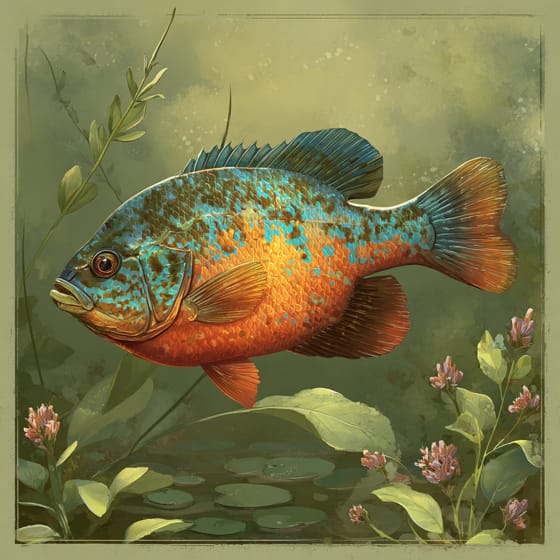
Lepomis macrochirus
Cazado por peces en ambientes acuáticos.
Anas platyrhynchos
Una fuente potencial de alimento para diversas aves acuáticas.
Culex pipiens
Depreda larvas de mosquito, ayudando a controlar sus poblaciones.
Rana catesbeiana
Adultos y larvas cazan renacuajos de varias especies de ranas.
El camuflaje describe a los organismos que poseen colores o patrones que les permiten mezclarse con su entorno.
Colorido describe a organismos u objetos que exhiben una amplia variedad de colores brillantes y distintivos.
Este rasgo identifica a los organismos cuya dieta consiste principalmente en insectos y otros pequeños invertebrados.
Los hábitats de agua dulce incluyen entornos acuáticos no salinos como ríos, lagos, estanques y humedales, vitales para numerosas especies.

Los animales diurnos están activos principalmente durante el día y suelen descansar o dormir por la noche.

Describe una especie cuya presencia y papel tienen un efecto desproporcionadamente grande en su entorno.

Este rasgo identifica a los organismos que exhiben una rapidez excepcional en sus movimientos para cazar, escapar o desplazarse.

Los hábitats acuáticos abarcan entornos donde los organismos viven principalmente en el agua, incluidos océanos, ríos, lagos y humedales.

Describe organismos que transfieren polen, permitiendo la fertilización y reproducción de las plantas.
Peligro
1/5 · Muy bajo
¡Cuidado cerca del agua! Permanece siempre cerca de un adulto al explorar.
La forma más fácil de identificar a Thermonectus marmoratus es usar la aplicación de identificación de naturaleza Snappit.
15-20 mm
7-10 mm
180-365 días
Estos escarabajos son depredadores feroces, cazando otras criaturas pequeñas en sus hogares acuáticos.
Estanques y lagos de agua dulce
Persecución
6
Acércate para separar los grupos y explorar dónde se ha fotografiado este objeto.
Llévate el descubrimiento
Haz una foto con Snappit, identifica la especie y guarda el hallazgo en tu colección.









.jpg&width=800)


