Thin-legged Wolf Spiders
Pardosa
Thin-legged Wolf Spiders are small, quick spiders that love to run around. They are great hunters and can be found in many places, like gardens and fields.
Hábitat: Grasslands
The Thin-legged Wolf Spider has a slender, often mottled brown or gray body, blending seamlessly with its surroundings. Its most distinctive feature is its long, delicate legs, giving it a nimble appearance. They also possess eight prominent eyes arranged in three rows.
Categoría
InsectosRareza
Common
Peligro
1/5 · Muy bajo
Snaps
¡Sé la primera persona en hacer un snap!
After hatching, baby spiders hitch a ride on their mother's back!
Instead of webs, they sprint and pounce on prey like tiny jungle hunters!
Their eight eyes are arranged to give them a super wide view of their world!
They are called "wolf spiders" because they stalk their prey like wolves do!
Thin-legged Wolf Spiders can run incredibly fast because of their strong, agile legs that help them quickly chase down prey.
Thin-legged Wolf Spiders has mottled brown and gray patterns that help them blend perfectly with leaf litter and soil.
Thin-legged Wolf Spiders can see exceptionally well thanks to their eight eyes arranged in three rows, helping them spot tiny prey.
Thin-legged Wolf Spiders has a unique silk egg sac that they carry, protecting their babies until they hatch.
These agile hunters primarily eat tiny insects and other small invertebrates.
Turdus migratorius
A common food source for many ground-dwelling bird species.
Sceliphron caementarium
Wasp provisions its nest with paralyzed spiders to feed larvae.
Acheta domesticus
Actively pursued and captured as a primary food source.
Musca domestica
A frequent target for these agile, ground-dwelling hunters.
Los animales solitarios viven solos durante la mayor parte de su vida y solo interactúan con otros para aparearse o cuidar de sus crías.
El camuflaje describe a los organismos que poseen colores o patrones que les permiten mezclarse con su entorno.
Colorido describe a organismos u objetos que exhiben una amplia variedad de colores brillantes y distintivos.
Los hábitats de pastizales son biomas terrestres dominados por pastos y plantas herbáceas, que sustentan a una variedad de animales de pastoreo.

Este rasgo identifica a los organismos cuya dieta consiste total o principalmente en tejido animal.

Este rasgo identifica a los organismos que exhiben una rapidez excepcional en sus movimientos para cazar, escapar o desplazarse.
Todavía no hay alias listados.
Peligro
1/5 · Muy bajo
If you see a spider, it's best to watch it from a distance and not touch it.
3-10 mm
365-730 días
These agile hunters primarily eat tiny insects and other small invertebrates.
Grasslands
Pursuit
8
Acércate para separar los grupos y explorar dónde se ha fotografiado este objeto.
Los snaps recientes aparecerán aquí a medida que se añadan nuevas observaciones.
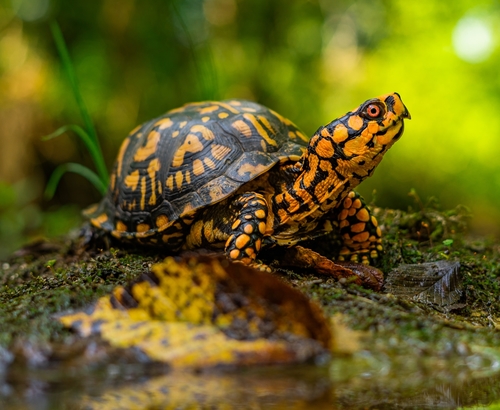
Virginia, US
Puedes ver Tortuga De Caja Oriental, Sicómoro y Grape Family.
Ver guía →

British Columbia, CA
Puedes ver Oval-Leaf Blueberry, Columbia Lily y Green False Hellebore.
Ver guía →

British Columbia, CA
Puedes ver Western Rattlesnake Plantain y Shinyleaf Meadowsweet.
Ver guía →








.jpg&width=800)