Threeleaf Foamflower
Tiarella trifoliata
The Threeleaf Foamflower is a pretty little plant with delicate white flowers that look like tiny stars! It grows in shady places and adds beauty to the forest floor.
Hábitat: Forests
The Threeleaf Foamflower has delicate spikes of frothy white, sometimes pink-tinged, star-like flowers that appear to float above its foliage. Its bright green leaves are distinctly three-lobed and can turn reddish-bronze in cooler temperatures, making it easily recognizable.
Categoría
PlantasRareza
Common
Peligro
1/5 · Muy bajo
Snaps
¡Sé la primera persona en hacer un snap!
Its frothy white flowers look like seafoam, sparkling beautifully in the deep forest shade!
Native peoples used foamflower leaves to make soothing poultices for bug bites and stings!
The leaves can change to beautiful reddish or bronze colors when cold weather arrives!
This plant is sometimes called 'Coolwort' because it absolutely loves chilly, damp places!
Threeleaf Foamflower has delicate white flowers that cluster, creating a beautiful foamy appearance in the forest to attract tiny pollinators.
This plant thrives in deep shade, using specialized leaves to capture scarce sunlight on the dark forest floor.
Threeleaf Foamflower can spread by sending out underground rhizomes, helping it form lush carpets of foliage.
Bombus bifarius
Feeds on nectar, helping the plant reproduce.
Odocoileus hemionus
Deer may browse the leaves of the plant.
Ariolimax columbianus
Slugs feed on the leaves, especially in moist conditions.
Las plantas caducifolias pierden periódicamente todas sus hojas, por lo general durante el otoño o las estaciones secas.
Las plantas con flores son cualquier planta que produce flores como parte de su ciclo reproductivo.
Las plantas de floración primaveral producen sus flores durante la temporada de primavera, lo que a menudo significa el final del invierno y el comienzo de un nuevo crecimiento.
Las plantas tolerantes a la sombra están adaptadas para crecer y prosperar en áreas con bajos niveles de luz, requiriendo menos luz solar directa.

Describe plantas que son particularmente atractivas y beneficiosas para una amplia variedad de organismos polinizadores.

Los hábitats boscosos son entornos terrestres dominados por una densa cubierta arbórea, que sustentan una gran diversidad de vida animal y vegetal.
Todavía no hay alias listados.
Peligro
1/5 · Muy bajo
Always look but don't touch plants unless you know they are safe!
15-30 cm
30-60 cm
0.5-1 cm
Primavera
No
Ninguna
Perenne
Insectos
Acércate para separar los grupos y explorar dónde se ha fotografiado este objeto.
Los snaps recientes aparecerán aquí a medida que se añadan nuevas observaciones.

British Columbia, CA
Puedes ver Babosa Banana, Western Sword Fern y Red Huckleberry.
Ver guía →
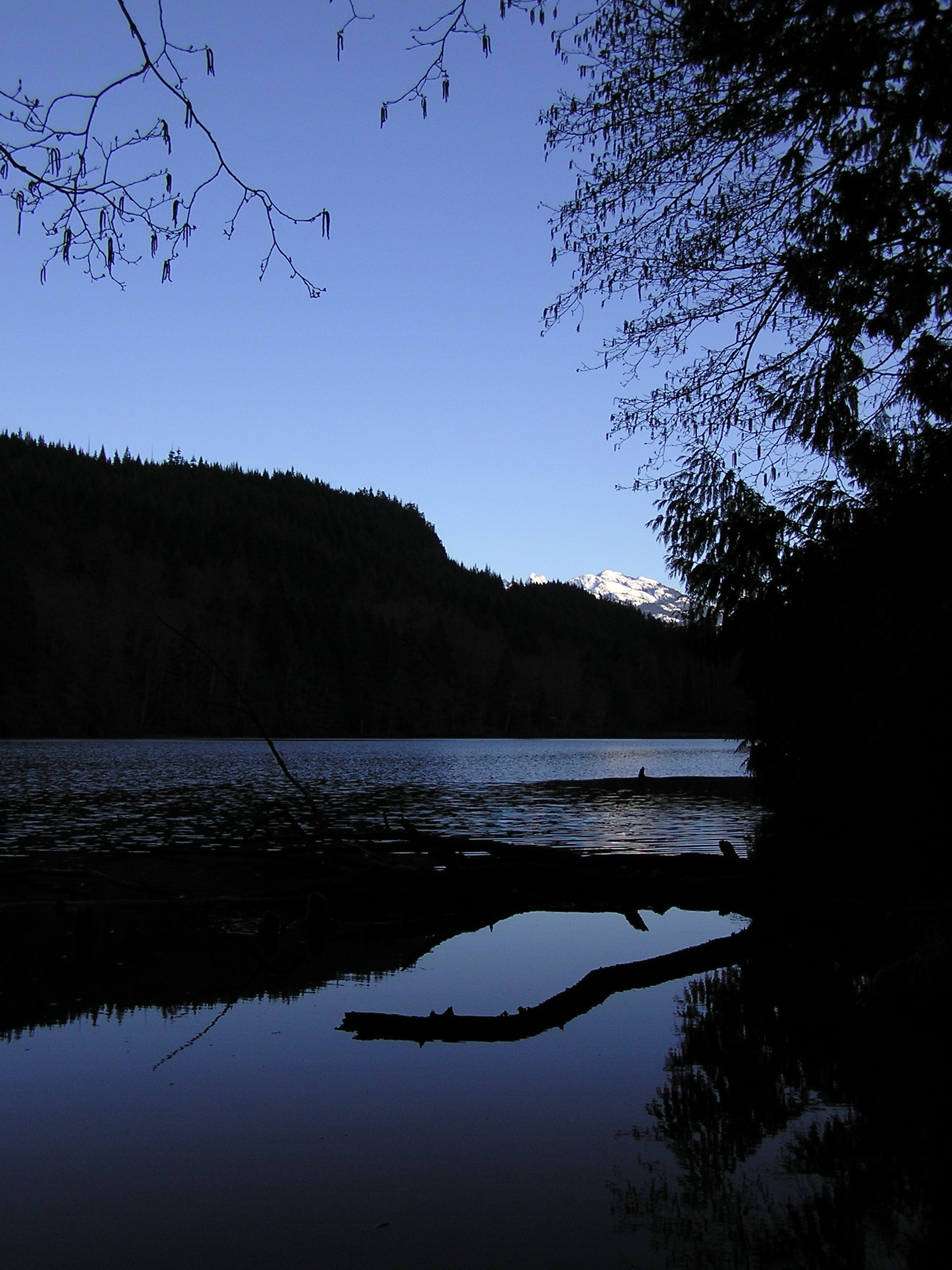
British Columbia, CA
Puedes ver Western Toad, Ghost Pipe y Pacific Coralroot.
Ver guía →
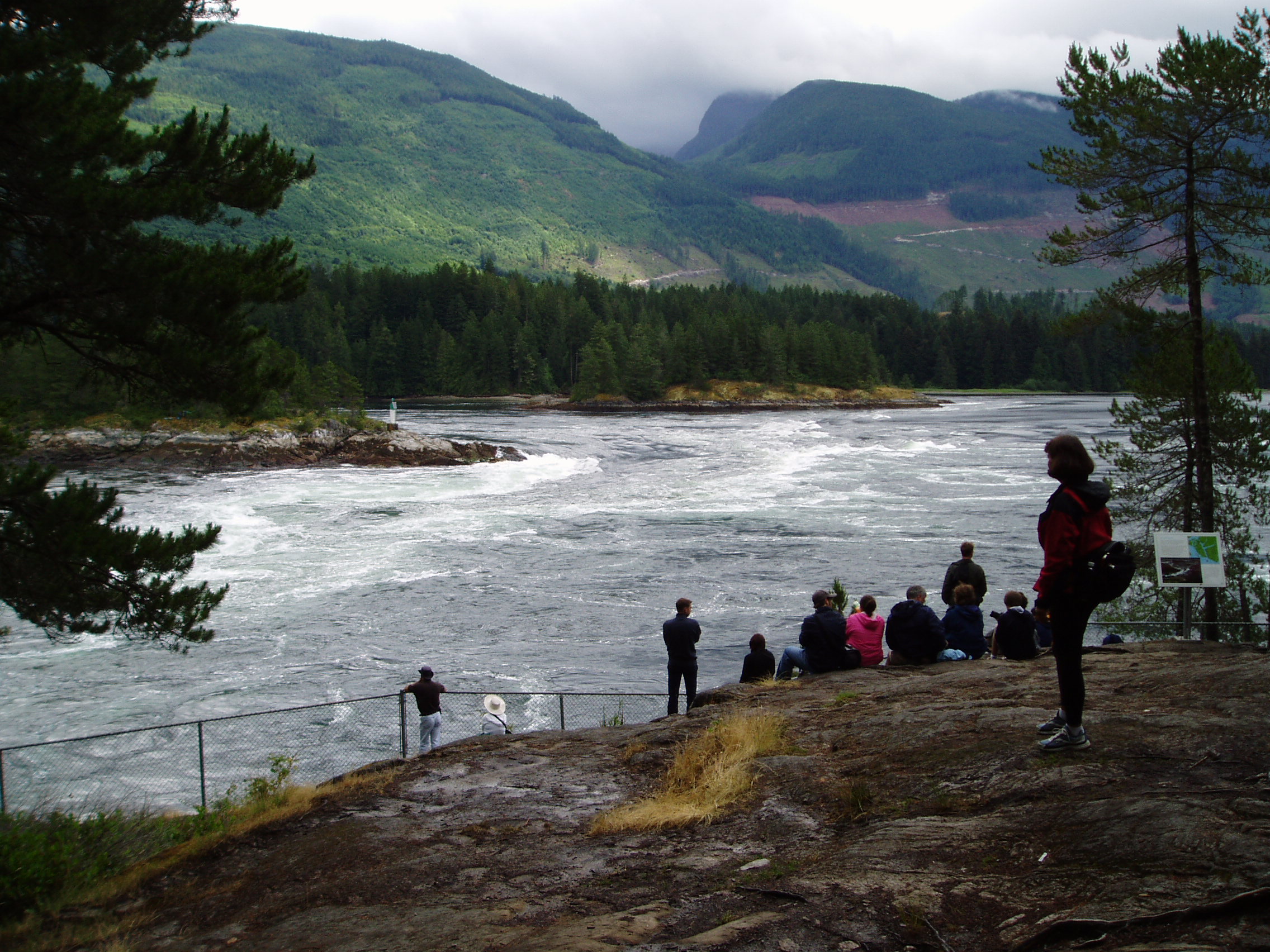
British Columbia, CA
Puedes ver Ochre Sea Star, Aggregating Anemone y Western Starflower.
Ver guía →
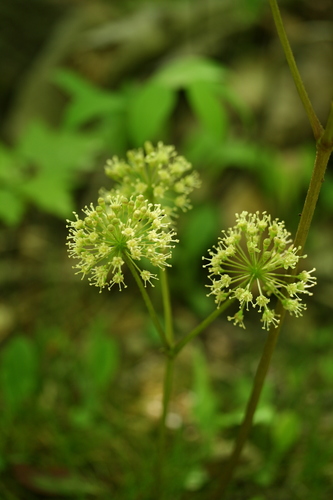
British Columbia, CA
Puedes ver Wild Sarsaparilla, Thimbleberry y Oregon Boxwood.
Ver guía →
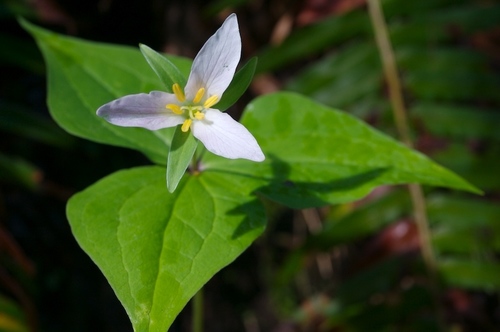
British Columbia, CA
Puedes ver Pacific Trillium, Coast Fawn Lily y Western Sword Fern.
Ver guía →

British Columbia, CA
Puedes ver Green Comma, Mariposa Capa De Luto y Hoary Comma.
Ver guía →












_Brassica_napus_-_Habit.jpg&width=800)