

Tigrosa Annexa
tigrosa annexa
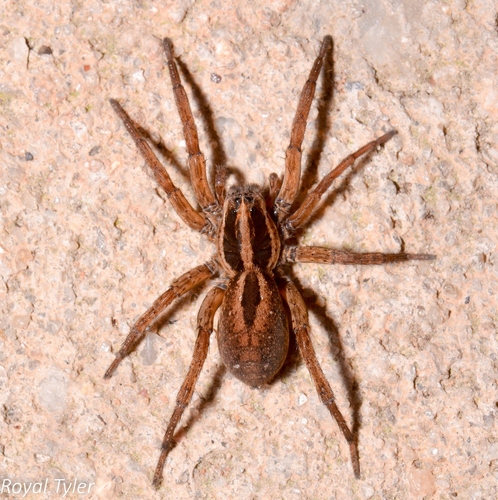
La Tigrosa annexa es una fascinante y robusta especie de araña lobo que se encuentra en toda América del Norte. Perteneciente a un género cuyo nombre se traduce aproximadamente como 'feroz como un tigre', estas arañas son cazadoras errantes muy hábiles que no dependen de telarañas para atrapar sus presas. En cambio, patrullan el suelo, utilizando una visión, velocidad y agilidad excepcionales para rastrear a sus presas. A pesar de su nombre algo intimidante y sus movimientos rápidos, generalmente son inofensivas para los humanos y evitan el contacto. Desempeñan un papel ecológico crucial en el control natural de plagas, manteniendo a raya las poblaciones de saltamontes, escarabajos y plagas agrícolas. Encontrar una correteando por la hierba o cargando a sus crías es un vistazo gratificante al complejo micromundo de los arácnidos que habitan en el suelo.
Hábitat: Se encuentra típicamente en campos de hierba, tierras agrícolas, praderas y bosques abiertos, forrajeando activamente en el suelo o escondiéndose bajo la hojarasca y los escombros.
La Tigrosa annexa presenta un llamativo patrón de colores terrosos, marrones, negros y canela, ideal para el camuflaje. Su característica más distintiva es una franja clara y definida que recorre el centro de su caparazón oscuro, una señal distintiva del género Tigrosa. Las hembras son visiblemente más grandes y robustas que los machos, alcanzando típicamente de 1.5 a 2.5 centímetros de longitud corporal (excluyendo las patas). Sus patas largas y robustas están cubiertas de finos pelos sensoriales. Como todas las arañas lobo, poseen una disposición ocular única: una fila inferior de cuatro ojos pequeños, dos ojos prominentes y frontales en la fila central, y dos ojos más pequeños colocados más atrás en la cabeza.
Categoría
InvertebrateRareza
Common
Peligro
1/5 · Muy bajo
Snaps
1
Debido a que no tejen telarañas, la Tigrosa annexa depende completamente de líneas de arrastre de seda para evitar caídas y de madrigueras o refugios de seda para dormir de forma segura durante el día.
El nombre del género 'Tigrosa' fue acuñado oficialmente por aracnólogos en 2012, agrupando a varias arañas lobo grandes bajo un nombre que significa 'feroz como un tigre'.
A diferencia de la mayoría de las arañas que abandonan a sus crías, las arañas lobo hembra son madres muy dedicadas que defenderán ferozmente a los cientos de crías que viajan en su abdomen.
Poseen una capa de tejido reflectante detrás de sus ojos llamada tapetum lucidum, lo que les permite ver claramente en la casi oscuridad y hace que sus ojos brillen intensamente cuando son iluminados por una linterna.
Equipadas con pelos sensoriales especializados en sus patas llamados tricobotrios, pueden detectar vibraciones mínimas en el suelo y el aire para localizar presas o evitar depredadores.
Las hembras adhieren físicamente sus sacos de huevos de seda a sus hileras para transportarlos, y una vez eclosionados, las arañitas viajan seguras en la espalda de su madre hasta su primera muda.
La Tigrosa annexa es una depredadora activa y oportunista que caza insectos que habitan en el suelo y otros pequeños artrópodos.
Diferencias por edad: Las arañitas comienzan alimentándose de insectos diminutos como colémbolos, pulgones y moscas de la fruta hasta que crecen lo suficiente como para cazar escarabajos de caparazón duro y grillos.
Gryllus pennsylvanicus
Una presa principal cazada por la araña en el suelo cubierto de hierba del bosque.
Anoplius aethiops
Las avispas cazadoras de arañas persiguen a estas arañas, paralizándolas para que sirvan como fuente de alimento vivo para sus larvas en desarrollo.

Anaxyrus americanus
A menudo es consumida por anfibios que buscan alimento en el suelo y comparten los mismos ambientes húmedos y herbosos.
Aún no hay insignias de rasgos asignadas a este objeto.
Todavía no hay alias listados.
Las colecciones para este objeto aparecerán aquí a medida que se añadan más temas.
Peligro
1/5 · Muy bajo
Todavía no hay notas especiales de seguridad.
La forma más fácil de identificar a Tigrosa Annexa es usar la aplicación de identificación de naturaleza Snappit.
1-3 cm
0.001-0.003 kg
1-2 años
2 km/h
La Tigrosa annexa es una depredadora activa y oportunista que caza insectos que habitan en el suelo y otros pequeños artrópodos.
Se encuentra típicamente en campos de hierba, tierras agrícolas, praderas y bosques abiertos, forrajeando activamente en el suelo o escondiéndose bajo la hojarasca y los escombros.
Persecución
Acércate para separar los grupos y explorar dónde se ha fotografiado este objeto.
Llévate el descubrimiento
Haz una foto con Snappit, identifica la especie y guarda el hallazgo en tu colección.