





Tragelaphus eurycerus isaaci
Tragelaphus eurycerus isaaci
El Bongo es un hermoso antílope con un llamativo pelaje marrón anaranjado y rayas blancas. Son tímidos y les encanta esconderse en los bosques, lo que los hace especiales y difíciles de avistar.
Hábitat: Bosques
El Tragelaphus eurycerus isaaci es un antílope llamativamente grande con un pelaje brillante de color rojo castaño, adornado con 10-15 rayas blancas verticales a lo largo de su cuerpo. Tanto los machos como las hembras poseen magníficos cuernos en espiral en forma de lira y distintivas marcas blancas en forma de galón en sus caras, lo que los hace fácilmente reconocibles.
Categoría
MamíferosRareza
Rare
Peligro
2/5 · Bajo
Snaps
¡Sé la primera persona en hacer un snap!
¡Las crías de bongo permanecen ocultas durante semanas después del nacimiento, perfectamente quietas, para evitar ser detectadas por depredadores hambrientos!
¡Los bongos pueden digerir plantas leñosas duras y corteza gracias a sus estómagos especializados, una habilidad de supervivencia en el bosque!
¡A pesar de su gran tamaño, los bongos son saltadores increíbles, superando fácilmente obstáculos como troncos caídos en el bosque!
¡Son la única especie de Tragelaphus donde tanto machos como hembras desarrollan cuernos impresionantes y en espiral!
El Tragelaphus eurycerus isaaci tiene rayas blancas que le ayudan a mimetizarse perfectamente con la luz solar moteada y las sombras de la densa maleza forestal.
El Tragelaphus eurycerus isaaci puede girar sus largos cuernos hacia atrás, lo que le ayuda a moverse de manera silenciosa y eficiente a través de la densa vegetación de la jungla.
El Tragelaphus eurycerus isaaci tiene un excelente oído y olfato que le ayudan a detectar depredadores y encontrar alimento en su desafiante y denso hábitat.
Estos comedores tímidos se alimentan de hojas, brotes, corteza y frutas que se encuentran en lo profundo de sus discretos hogares forestales.
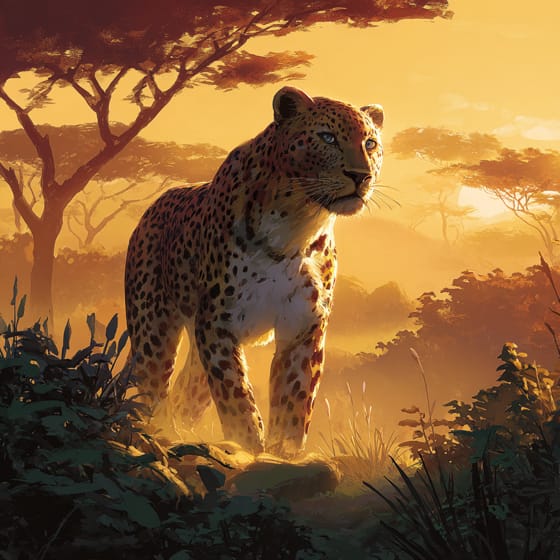
Panthera pardus
Los leopardos son un depredador principal, especialmente de los bongos más jóvenes.
Python sebae
Grandes pitones pueden depredar crías y juveniles de bongo.
Dombeya goetzenii
Los bongos se alimentan de las hojas y brotes de este árbol común de los bosques de tierras altas.
Ficus sycomorus
Los bongos consumen los frutos y hojas de las higueras en su hábitat.
Peludo describe a los animales que poseen una cubierta densa de pelo o pelaje suave.
Marcado con bandas paralelas o líneas de color.
Los animales sociales viven en grupos organizados, cooperando para obtener beneficios de supervivencia como la búsqueda de alimento, la defensa y la cría de descendencia.
Los animales solitarios viven solos durante la mayor parte de su vida y solo interactúan con otros para aparearse o cuidar de sus crías.

Se caracteriza por tener una o más proyecciones duras, permanentes y puntiagudas en la cabeza.

Este rasgo caracteriza a los organismos cuya dieta consiste total o principalmente en material vegetal.

Los hábitats boscosos son entornos terrestres dominados por una densa cubierta arbórea, que sustentan una gran diversidad de vida animal y vegetal.

El estado de peligro de extinción indica que una especie corre un riesgo muy alto de extinguirse en estado silvestre en un futuro próximo.
Todavía no hay alias listados.
Peligro
2/5 · Bajo
Admira siempre a los animales salvajes desde la distancia y nunca intentes tocarlos.
La forma más fácil de identificar a Tragelaphus eurycerus isaaci es usar la aplicación de identificación de naturaleza Snappit.
170-250 cm
210-405 kg
10-19 años
40 km/h
Estos comedores tímidos se alimentan de hojas, brotes, corteza y frutas que se encuentran en lo profundo de sus discretos hogares forestales.
Bosques
Forrajeo
Acércate para separar los grupos y explorar dónde se ha fotografiado este objeto.
Los snaps recientes aparecerán aquí a medida que se añadan nuevas observaciones.
Llévate el descubrimiento
Haz una foto con Snappit, identifica la especie y guarda el hallazgo en tu colección.




.jpg&width=800)



.JPG&width=800)


.jpg&width=800)
