






Trailing African Daisy
dimorphotheca fruticosa
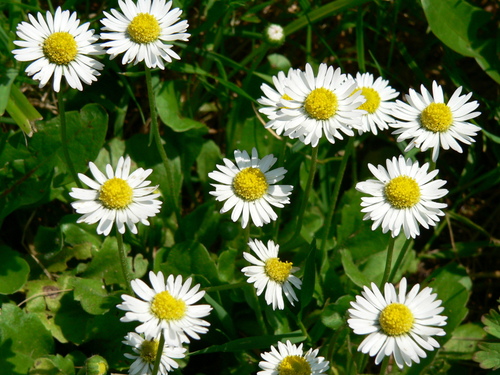
The Trailing African Daisy is a beautiful flower that loves to spread out on the ground. Its bright petals can make any garden look cheerful and happy!
Hábitat: They thrive in sunny, open areas and can often be found in gardens and along roadsides.
The Trailing African Daisy is a low-growing plant with cheerful, daisy-like flowers. Its vibrant blooms, often white, yellow, orange, or purple, distinctly feature a contrasting dark center. The petals often have a glossy sheen, making them pop against the green foliage.
Categoría
PlantasRareza
Common
Peligro
0/5 · Sin peligro conocido
Snaps
¡Sé la primera persona en hacer un snap!
Even after being picked, its flowers can still close up when it gets dark!
Its scientific name, Dimorphotheca, means "two-shaped fruit," describing its unique seeds!
Sometimes the flowers have a ring of one color, and a center of a totally different color!
These cheerful flowers originated from South Africa, bringing sunshine to gardens worldwide!
Trailing African Daisy has succulent-like leaves that store water, helping it survive long dry periods in its native habitat.
Its flowers open widely in the sunshine and close at night or on cloudy days, maximizing light absorption for energy.
This plant quickly spreads over the ground, forming a dense mat that helps prevent soil erosion and outcompete weeds.
Apis mellifera
Collects nectar and pollen, aiding in reproduction.
Vanessa cardui
Visits flowers for nectar, spreading pollen.

Helix aspersa
Feeds on leaves and tender stems.
Myzus persicae
Sucks sap from stems and leaves.
Colorido describe a organismos u objetos que exhiben una amplia variedad de colores brillantes y distintivos.
Este rasgo caracteriza a los organismos cuya dieta consiste total o principalmente en material vegetal.
Los hábitats costeros son entornos dinámicos situados a lo largo de la interfaz entre la tierra y el mar, influenciados por las mareas, las olas y el agua salada.
Los animales diurnos están activos principalmente durante el día y suelen descansar o dormir por la noche.

Describe organismos que transfieren polen, permitiendo la fertilización y reproducción de las plantas.
Peligro
0/5 · Sin peligro conocido
Todavía no hay notas especiales de seguridad.
15-30 cm
30-90 cm
3-5 cm
Spring to Fall, year-round in mild climates
No
Leve
Perenne
Insectos
Acércate para separar los grupos y explorar dónde se ha fotografiado este objeto.
Los snaps recientes aparecerán aquí a medida que se añadan nuevas observaciones.



















.jpg&width=800)

