





Trichoglossus forsteni forsteni
Trichoglossus forsteni forsteni
El Trichoglossus forsteni forsteni, también conocido como Loro de Forsten, es un ave colorida que se encuentra en los bosques de Indonesia. Estos loros son juguetones y les encanta comer frutas y semillas.
Hábitat: Bosques
El Trichoglossus forsteni forsteni es un loro vibrante con un patrón llamativo. Tiene un cuerpo de color verde brillante, un pecho de color rojo escarlata intenso y una cabeza y vientre de color azul violáceo intenso. Esta subespecie destaca por su pecho rojo particularmente intenso, a diferencia de muchas otras variaciones de lori.
Categoría
AvesRareza
Common
Peligro
1/5 · Muy bajo
Snaps
¡Sé la primera persona en hacer un snap!
Sus plumas brillantes les ayudan a camuflarse con las flores tropicales y las exuberantes hojas verdes.
Su rápido metabolismo digiere el néctar rápidamente, ¡lo que significa que defecan cada 15 minutos!
Estas aves coloridas solo se encuentran en las islas indonesias de Lombok y Sumbawa.
A diferencia de la mayoría de las aves, los loros a menudo se posan en grandes grupos, ¡a veces de miles de individuos!
El Trichoglossus forsteni forsteni tiene una lengua con punta de cepillo que le ayuda a lamer el dulce néctar de las flores como una pequeña esponja.
El Trichoglossus forsteni forsteni puede volar con increíble agilidad a través de árboles densos gracias a sus poderosas alas y cuerpo aerodinámico.
El Trichoglossus forsteni forsteni puede emitir una variedad de graznidos y silbidos fuertes que le ayudan a comunicarse con su bandada desde lejos.
Principalmente beben néctar y polen de flores, ¡pero también disfrutan de frutas e insectos pequeños!
Cocos nucifera
Dispersa polen mientras bebe néctar de las flores de coco.
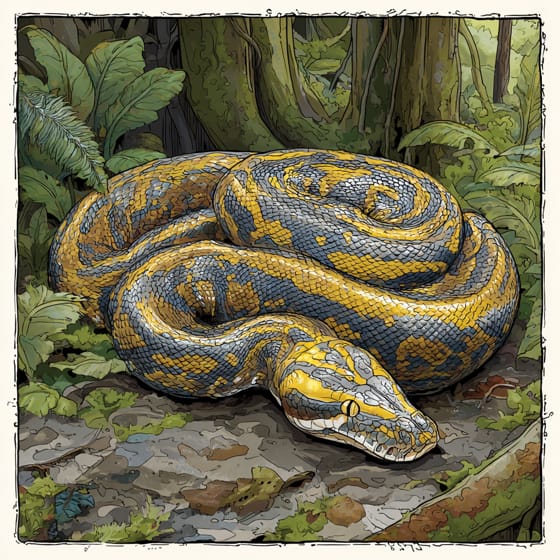
Python reticulatus
Puede convertirse en presa de grandes serpientes que acechan en sus hábitats arbóreos.
Accipiter virgatus
Cazado por este rapaz ágil, especialmente durante el vuelo.
Describe a los animales, principalmente aves, que poseen una cubierta de plumas.
Los animales sociales viven en grupos organizados, cooperando para obtener beneficios de supervivencia como la búsqueda de alimento, la defensa y la cría de descendencia.
Colorido describe a organismos u objetos que exhiben una amplia variedad de colores brillantes y distintivos.
Este rasgo caracteriza a los organismos cuya dieta consiste total o principalmente en material vegetal.

Los hábitats boscosos son entornos terrestres dominados por una densa cubierta arbórea, que sustentan una gran diversidad de vida animal y vegetal.

Los animales diurnos están activos principalmente durante el día y suelen descansar o dormir por la noche.

El estado de amenazado indica que es probable que una especie pase a estar en peligro de extinción en el futuro cercano si no se toman medidas efectivas de conservación.

Describe organismos que transfieren polen, permitiendo la fertilización y reproducción de las plantas.
Peligro
1/5 · Muy bajo
Observa siempre a las aves desde la distancia y no intentes tocarlas en la naturaleza.
La forma más fácil de identificar a Trichoglossus forsteni forsteni es usar la aplicación de identificación de naturaleza Snappit.
25-28 cm
38-45 cm
0.1-0.15 kg
10-18 años
60 km/h
Principalmente beben néctar y polen de flores, ¡pero también disfrutan de frutas e insectos pequeños!
Bosques
Acércate para separar los grupos y explorar dónde se ha fotografiado este objeto.
Los snaps recientes aparecerán aquí a medida que se añadan nuevas observaciones.
Llévate el descubrimiento
Haz una foto con Snappit, identifica la especie y guarda el hallazgo en tu colección.




.jpg&width=800)






