






True Bugs
Heteroptera
True bugs are fascinating insects known for their unique mouthparts that suck juices from plants or other insects. They come in many shapes and colors, making them exciting to observe in nature!
Hábitat: True bugs can be found in various habitats, including gardens, forests, and grasslands.
The True Bugs have unique forewings, called hemelytra, that are hardened at the base and membranous at the tips, often forming a distinct 'X' pattern on their backs. They possess a prominent piercing-sucking mouthpart (proboscis) folded under their head, which differentiates them from other insects. Their coloration varies widely, from drab browns and greens for camouflage to vibrant reds and yellows.
Categoría
InsectosRareza
Common
Peligro
1/5 · Muy bajo
Snaps
¡Sé la primera persona en hacer un snap!
Bed bugs are true bugs that hide during the day and feast on human blood at night!
Giant water bugs are fierce predators that can catch and eat small fish and even frogs!
Many true bugs have unique forewings, called hemelytra, which are half-hardened and half-membranous!
There are over 40,000 different species of true bugs found all around the world!
True Bugs can drink liquids like plant sap, blood, or insect fluids because of their specialized straw-like proboscis.
True Bugs can deter predators by releasing foul-smelling chemicals from special glands when threatened.
Some True Bugs can walk on water or swim efficiently because of their specially adapted legs and body shape.
Some True Bugs, like assassin bugs, can inject venom to paralyze their prey before consuming it.
True bugs sip plant sap, blood, or body fluids from other insects using their straw-like mouthparts.
Diferencias por edad: Nymphs often eat the same foods as adults, but may target smaller prey or plant parts.
Lygus lineolaris
Feeds on the developing seeds and sap of sunflowers.
Rana catesbeiana
Giant water bugs prey on small amphibians and fish.
Cimex lectularius
Bed bugs are nocturnal feeders on human blood.
Apis mellifera
Ambush bugs hide in flowers to ambush and capture bees.
Los animales sociales viven en grupos organizados, cooperando para obtener beneficios de supervivencia como la búsqueda de alimento, la defensa y la cría de descendencia.
El camuflaje describe a los organismos que poseen colores o patrones que les permiten mezclarse con su entorno.
Colorido describe a organismos u objetos que exhiben una amplia variedad de colores brillantes y distintivos.
Este rasgo caracteriza a los organismos cuya dieta consiste total o principalmente en material vegetal.

Los animales diurnos están activos principalmente durante el día y suelen descansar o dormir por la noche.
Peligro
1/5 · Muy bajo
Todavía no hay notas especiales de seguridad.
2-150 mm
1-100 mm
30-365 días
20 km/h
True bugs sip plant sap, blood, or body fluids from other insects using their straw-like mouthparts.
True bugs can be found in various habitats, including gardens, forests, and grasslands.
Foraging
6
Acércate para separar los grupos y explorar dónde se ha fotografiado este objeto.
Los snaps recientes aparecerán aquí a medida que se añadan nuevas observaciones.

Utah, US
Puedes ver Showy Milkweed y Black-Spotted Lady Beetles.
Ver guía →
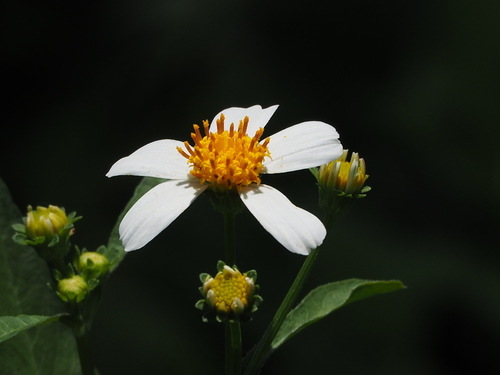
Florida, US
Puedes ver White Beggarticks, Anolis Castaño y Pickerelweed.
Ver guía →

Virginia, US
Puedes ver Equinácea, Southern Wild Raisin y Liquidámbar Americano.
Ver guía →




.jpg&width=800)







