





Tupinambis rufescens
Tupinambis rufescens
El Tegu Rojo es un lagarto colorido al que le encanta tomar el sol. ¡Con sus brillantes escamas rojas y negras, parece un pequeño dragón! Son amigables e incluso pueden reconocer a sus dueños.
Hábitat: Pastizales
El Tupinambis rufescens es un lagarto grande y robusto con una distintiva cabeza y cuello de color rojo anaranjado que puede intensificarse con la edad o el estado de ánimo. Su cuerpo suele estar estampado con bandas o manchas más oscuras sobre una base gris-marrón, que a veces se extienden hasta la cola.
Categoría
ReptilesRareza
Common
Peligro
2/5 · Bajo
Snaps
¡Sé la primera persona en hacer un snap!
¡Las mandíbulas increíblemente fuertes de un Tegu Rojo pueden romper cáscaras de caracol y huevos duros!
¡Los Tegus Rojos pueden reconocer a sus cuidadores humanos y responder a sus nombres!
Estos lagartos a veces comen fruta podrida, lo que ayuda a dispersar las semillas por su hábitat.
Entran en un profundo sueño de 'brumación' durante los meses más fríos, similar a la hibernación.
El Tupinambis rufescens puede excavar extensas madrigueras usando garras fuertes, proporcionando refugio de depredadores y del clima adverso.
El Tupinambis rufescens tiene una cola poderosa que le ayuda a disuadir a los depredadores mediante un golpe doloroso similar a un latigazo.
El Tupinambis rufescens puede elevar ligeramente su temperatura corporal, actuando como un animal de sangre caliente cuando es necesario.
El Tupinambis rufescens puede aprender y adaptarse a nuevas situaciones, mostrando habilidades para resolver problemas en su entorno.
Estos omnívoros disfrutan de una dieta variada de insectos, frutas, huevos e incluso pequeños animales.
Boa constrictor
Los tegus jóvenes pueden ser presa de grandes serpientes.
Cavia aperea
Los tegus adultos depredan roedores como los conejillos de indias.
Caracara plancus
Las aves de presa a veces cazan tegus juveniles.
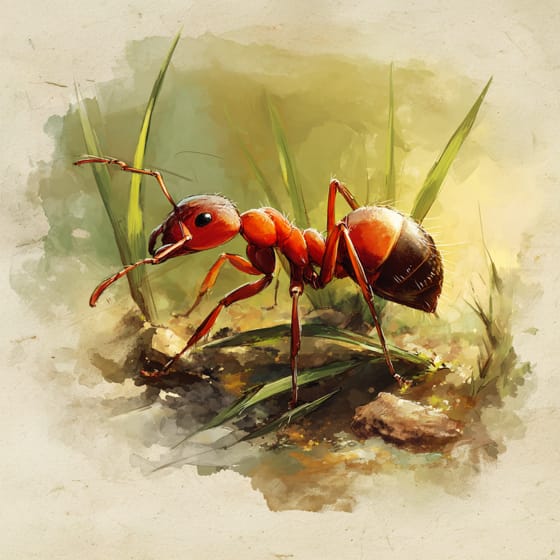
Solenopsis invicta
Los tegus consumen varios insectos, incluidas las hormigas.
Los animales sociales viven en grupos organizados, cooperando para obtener beneficios de supervivencia como la búsqueda de alimento, la defensa y la cría de descendencia.
Este rasgo identifica organismos cuya dieta incluye tanto materia vegetal como animal.
Colorido describe a organismos u objetos que exhiben una amplia variedad de colores brillantes y distintivos.
Los animales excavadores cavan túneles y cámaras en el suelo y utilizan estas estructuras subterráneas para refugiarse, cazar o reproducirse.

Los hábitats de pastizales son biomas terrestres dominados por pastos y plantas herbáceas, que sustentan a una variedad de animales de pastoreo.

Los animales diurnos están activos principalmente durante el día y suelen descansar o dormir por la noche.
Peligro
2/5 · Bajo
Observa siempre desde la distancia y no intentes tocar lagartos salvajes.
La forma más fácil de identificar a Tupinambis rufescens es usar la aplicación de identificación de naturaleza Snappit.
90-140 cm
2.5-7 kg
15-20 años
20 km/h
Estos omnívoros disfrutan de una dieta variada de insectos, frutas, huevos e incluso pequeños animales.
Pastizales
Forrajeo
Acércate para separar los grupos y explorar dónde se ha fotografiado este objeto.
Los snaps recientes aparecerán aquí a medida que se añadan nuevas observaciones.
Llévate el descubrimiento
Haz una foto con Snappit, identifica la especie y guarda el hallazgo en tu colección.












