
.JPG&width=800)




turkey tangle frogfruit
Phyla nodiflora
Turkey tangle frogfruit is a small, low-growing plant with tiny flowers. It loves to grow in sunny spots and can often be found in gardens and fields.
Hábitat: Urban areas
The turkey tangle frogfruit is a low-growing plant with creeping stems that form a dense mat of small, slightly toothed green leaves. It produces tiny, clustered flowers, typically white to pale lavender, with a yellow center, making them appear like miniature pom-poms.
Categoría
PlantasRareza
Common
Peligro
1/5 · Muy bajo
Snaps
¡Sé la primera persona en hacer un snap!
Its tiny flowers are actually a bunch of even tinier flowers packed together!
Some folks call it "matchweed" because its flower stalks look like matchsticks!
This plant is super tough and can even grow where people often walk!
You can munch on its leaves, which have a surprising peppery flavor!
Turkey tangle frogfruit spreads roots from its stems, forming a dense mat that helps hold soil in place, preventing erosion.
Turkey tangle frogfruit has tough leaves that conserve water, helping it survive long dry periods when others wilt.
Turkey tangle frogfruit produces nectar-rich flowers that attract busy bees and butterflies, providing them with a vital food source.
Apis mellifera
collects nectar and pollen from flowers
Danaus plexippus
sips nectar from the small white flowers
Bombus impatiens
visits flowers for nectar and transfers pollen
Las plantas tapizantes son vegetación de bajo crecimiento que se extiende horizontalmente para cubrir el suelo, a menudo suprimiendo las malas hierbas y previniendo la erosión del suelo.
Las plantas con flores son cualquier planta que produce flores como parte de su ciclo reproductivo.
Las plantas medicinales poseen compuestos químicos que pueden utilizarse con fines terapéuticos para tratar enfermedades o mantener la salud.
Las plantas de crecimiento rápido exhiben tasas de crecimiento aceleradas, aumentando rápidamente de tamaño y biomasa en un corto período de tiempo.

Describe plantas que son particularmente atractivas y beneficiosas para una amplia variedad de organismos polinizadores.

Esta característica de hábitat indica especies que pueden coexistir con los humanos en entornos urbanos y suburbanos, utilizando estructuras artificiales y espacios verdes.
Todavía no hay alias listados.
Peligro
1/5 · Muy bajo
Always wash your hands after touching plants, just to be safe!
2-15 cm
30-90 cm
0.3-0.8 cm
Todo el año
Sí
Ninguna
Perenne
Insectos
Acércate para separar los grupos y explorar dónde se ha fotografiado este objeto.
Los snaps recientes aparecerán aquí a medida que se añadan nuevas observaciones.
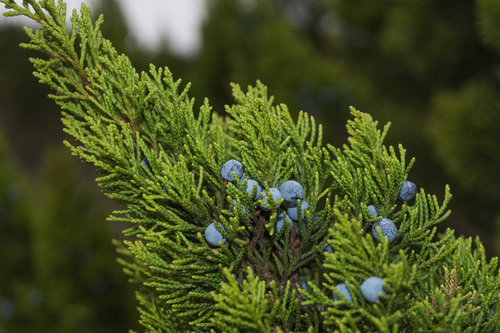
Texas, US
Puedes ver Ashe Juniper, Texas Bluebonnet y Texas Live Oak.
Ver guía →
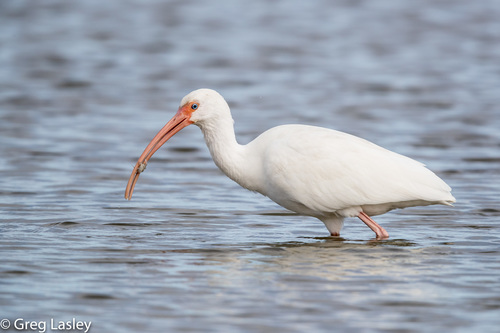
Florida, US
Puedes ver White Ibis, White Beggarticks y Anolis Castaño.
Ver guía →
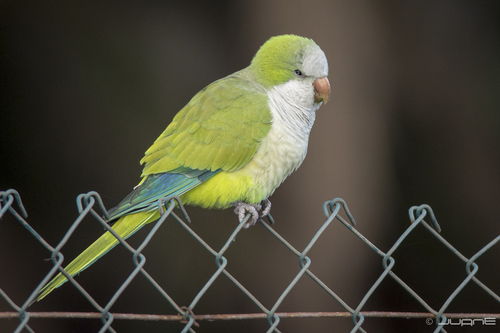
Florida, US
Puedes ver Monk Parakeet, Peters's Rock Agama y Pelícano Pardo.
Ver guía →
















