Two-Toed Sloths
Choloepus
Two-toed sloths are slow-moving animals that love to hang upside down in trees. They have long arms and can sleep for up to 20 hours a day, making them one of the laziest animals in the world!
Hábitat: Forests
The Two-Toed Sloths have shaggy, grey-brown fur often tinged green from algae, helping them blend with trees. They possess large, dark eyes, a small snout, and distinctively have two prominent claws on their front limbs, unlike their three-toed relatives.
Categoría
MamíferosRareza
Common
Peligro
1/5 · Muy bajo
Snaps
¡Sé la primera persona en hacer un snap!
It takes sloths nearly a month to digest a single meal, making them very efficient!
Sloth claws are so strong, they can remain hanging in a tree even after they die!
Sloths have more neck bones than giraffes, letting them turn their heads nearly 270 degrees!
They can sleep for up to 20 hours a day, hanging completely upside down!
Two-Toed Sloths can move incredibly slowly, which helps them avoid detection by sharp-eyed predators like jaguars and harpy eagles.
Two-Toed Sloths have coarse fur that supports algae growth, helping them blend perfectly into the green, leafy canopy of their habitat.
Two-Toed Sloths can swim surprisingly well and hold their breath for a long time, helping them cross rivers safely.
They are slow-moving leaf-eaters, munching on leaves, buds, and fruits high in the trees.
Harpia harpyja
A major predator of sloths from the sky.
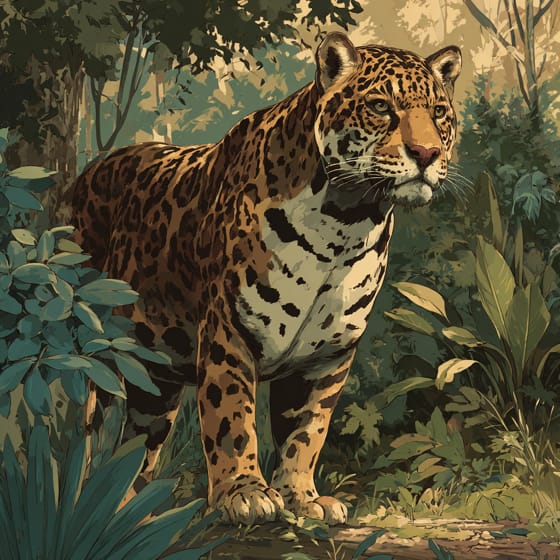
Panthera onca
Hunts sloths by climbing trees or ambushing them.
Trichophilus welckeri
Lives in sloth fur, providing camouflage and nutrients.
Cecropia peltata
Sloths often eat the leaves and buds of this tree.
Peludo describe a los animales que poseen una cubierta densa de pelo o pelaje suave.
Los animales solitarios viven solos durante la mayor parte de su vida y solo interactúan con otros para aparearse o cuidar de sus crías.
Los animales arborícolas viven principalmente en los árboles, utilizándolos como refugio, alimento y protección contra los depredadores.
Este rasgo caracteriza a los organismos cuya dieta consiste total o principalmente en material vegetal.

Los hábitats boscosos son entornos terrestres dominados por una densa cubierta arbórea, que sustentan una gran diversidad de vida animal y vegetal.

El estado de peligro de extinción indica que una especie corre un riesgo muy alto de extinguirse en estado silvestre en un futuro próximo.
Todavía no hay alias listados.
Peligro
1/5 · Muy bajo
Sloths are not pets and should be admired from a distance in the wild.
55-75 cm
4-8 kg
15-40 años
0.24 km/h
They are slow-moving leaf-eaters, munching on leaves, buds, and fruits high in the trees.
Forests
Foraging
1
Acércate para separar los grupos y explorar dónde se ha fotografiado este objeto.
Los snaps recientes aparecerán aquí a medida que se añadan nuevas observaciones.