upright prairie coneflower
Ratibida columnifera
The upright prairie coneflower is a bright yellow flower that loves to grow in sunny places. Its tall stem and unique shape make it stand out in fields and gardens.
Hábitat: Grasslands
The upright prairie coneflower has a distinctive central cone, often dark brown, surrounded by drooping yellow (or sometimes reddish-brown) ray petals. This unique shape makes it resemble a little sombrero or "Mexican Hat," standing tall above other prairie plants.
Categoría
PlantasRareza
Common
Peligro
1/5 · Muy bajo
Snaps
¡Sé la primera persona en hacer un snap!
Indigenous peoples used parts of this plant for teas and to make bright yellow dyes.
Its "hat-like" flower inspired its nickname "Mexican Hat" or "Thimbleflower."
Its seeds provide a vital winter food source for many small birds, like finches.
The central cone is actually made of hundreds of tiny, individual flowers!
upright prairie coneflower's nectar-rich flowers attract many different types of bees and butterflies, helping pollinate the prairie.
upright prairie coneflower can grow well in disturbed or poor soils, helping to re-establish vegetation in tough spots.
Apis mellifera
visits for nectar and pollen
Danaus plexippus
sips nectar from its flowers
Carduelis tristis
eats its protein-rich seeds

Bombus impatiens
gathers nectar and pollen
Las plantas con flores son cualquier planta que produce flores como parte de su ciclo reproductivo.
Las plantas de floración de verano producen sus flores durante la temporada estival, a menudo aportando un color vibrante cuando muchas otras plantas ya han terminado de florecer.
Colorido describe a organismos u objetos que exhiben una amplia variedad de colores brillantes y distintivos.
Las plantas de crecimiento rápido exhiben tasas de crecimiento aceleradas, aumentando rápidamente de tamaño y biomasa en un corto período de tiempo.

Describe plantas que son particularmente atractivas y beneficiosas para una amplia variedad de organismos polinizadores.

Los hábitats de pastizales son biomas terrestres dominados por pastos y plantas herbáceas, que sustentan a una variedad de animales de pastoreo.
Todavía no hay alias listados.
Peligro
1/5 · Muy bajo
Always look but don't touch flowers unless a grown-up says it's okay.
30-90 cm
30-60 cm
3-7 cm
Late spring to fall
Sí
Ninguna
Perenne
Insectos
Acércate para separar los grupos y explorar dónde se ha fotografiado este objeto.
Los snaps recientes aparecerán aquí a medida que se añadan nuevas observaciones.
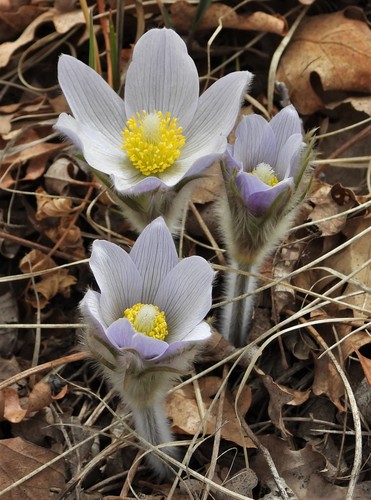
South Dakota, US
Puedes ver Prairie Pasqueflower, Common Buckthorn y Tatarian Honeysuckle.
Ver guía →
.jpg)
South Dakota, US
Puedes ver Least Chipmunk, Rocky Mountains Ponderosa Pine y Cabra Montesa.
Ver guía →

Wyoming, US
Puedes ver Perrito De Las Praderas y Bur Oak.
Ver guía →

Nebraska, US
Puedes ver Great Plains Yucca, Plains Pricklypear y Winterfat.
Ver guía →




.jpg&width=800)