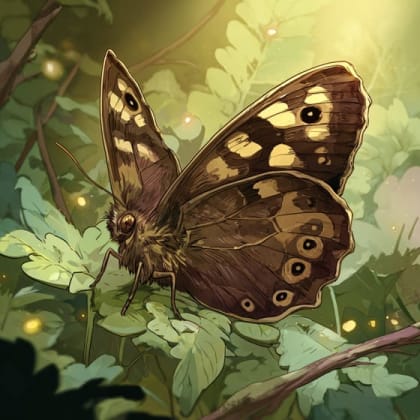



Vagabond Sod Webworm Moth
Agriphila vulgivagellus
The Vagabond Sod Webworm Moth is a small, delicate moth that loves to flutter around grassy areas. Its caterpillars make little webs in the grass, which can be fun to spot!
Hábitat: Grasslands
The Vagabond Sod Webworm Moth has a slender body and a wingspan of up to 30mm. Its forewings are dull, straw-yellow to brownish, often with a darker central stripe and subtle lines, blending perfectly with dried grasses. The hindwings are paler.
Categoría
InsectosRareza
Common
Peligro
1/5 · Muy bajo
Snaps
¡Sé la primera persona en hacer un snap!
Adult moths have a special straw-like mouthpart called a proboscis, though they rarely feed.
Did you know moth "ears" are on their chest, helping them dodge hungry bats?
Some years, these common moths appear in such huge numbers they fly like a living cloud!
These caterpillars can sometimes eat so much grass root, they create bare patches!
Vagabond Sod Webworm Moth can hide perfectly in dried grasses because its dull colors and patterns blend with its surroundings.
Vagabond Sod Webworm Moth larvae can create protective silk tunnels in the grass to shield themselves from predators and weather.
Vagabond Sod Webworm Moths are active at night, helping them avoid daytime predators and find mates in the dark.
Caterpillars munch on grass roots, while adult moths typically do not feed or consume minimal nectar.
Diferencias por edad: Larvae are herbivorous, feeding on plant roots and leaves; adults may consume nectar but often do not feed.
Turdus migratorius
Robins consume both larval and adult moths.
Myotis lucifugus
Bats are key nocturnal predators of adult moths.
Poa pratensis
Larvae feed extensively on the roots of this common grass.
Cotesia marginiventris
Wasp larvae develop inside the moth's caterpillars.
Los animales solitarios viven solos durante la mayor parte de su vida y solo interactúan con otros para aparearse o cuidar de sus crías.
Este rasgo caracteriza a los organismos que construyen elaboradas telarañas de seda para atrapar presas, refugiarse o reproducirse.
El camuflaje describe a los organismos que poseen colores o patrones que les permiten mezclarse con su entorno.
Este rasgo caracteriza a los organismos cuya dieta consiste total o principalmente en material vegetal.

Los hábitats de pastizales son biomas terrestres dominados por pastos y plantas herbáceas, que sustentan a una variedad de animales de pastoreo.

Describe a los organismos que descomponen la materia orgánica muerta, reciclando los nutrientes de vuelta al ecosistema.

Relativo a especies que son significativamente más pequeñas que lo típico o promedio de su tipo.

Los animales nocturnos están principalmente activos durante la noche, y suelen descansar o dormir durante el día.

Describe organismos que transfieren polen, permitiendo la fertilización y reproducción de las plantas.
Todavía no hay alias listados.
Peligro
1/5 · Muy bajo
These moths are harmless, but it's best to observe them without touching.
20-30 mm
10-14 mm
7-14 días
Caterpillars munch on grass roots, while adult moths typically do not feed or consume minimal nectar.
Grasslands
Foraging
6
Acércate para separar los grupos y explorar dónde se ha fotografiado este objeto.
Los snaps recientes aparecerán aquí a medida que se añadan nuevas observaciones.