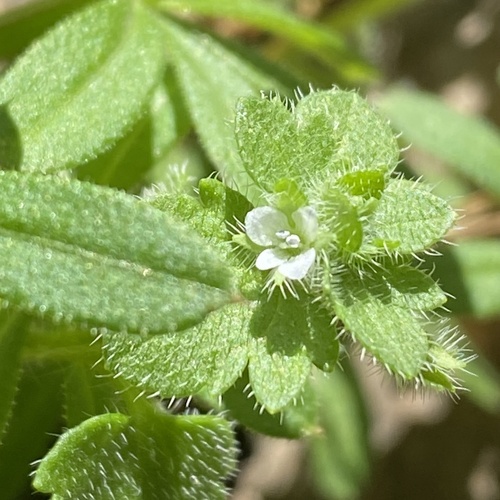


Veronica Sibthorpioides
veronica sibthorpioides
Veronica sibthorpioides es una encantadora y rara hierba anual nativa de las regiones montañosas de alta altitud del sur de España y el norte de África. Perteneciente a la familia del llantén, esta pequeña y resistente verónica se ha adaptado notablemente bien a los ambientes duros, azotados por el viento y pedregosos de los canchales subalpinos. A pesar de su delicada apariencia, soporta fluctuaciones extremas de temperatura y una calidad de suelo deficiente, labrándose un nicho donde pocas otras plantas pueden sobrevivir. Como pionera alpina altamente especializada, esta planta juega un papel sutil pero vital en la estabilización de las laderas de canchales sueltos. Germina rápidamente en primavera después del deshielo, completando todo su ciclo de vida en una sola temporada antes de que se establezcan las condiciones secas del verano. Su presencia es un testimonio de la frágil belleza de los ecosistemas alpinos mediterráneos.
Hábitat: Se encuentra típicamente en ambientes alpinos y subalpinos, prosperando en canchales calcáreos o dolomíticos, pastizales pedregosos y grietas rocosas a grandes altitudes.
Esta pequeña planta anual de bajo crecimiento típicamente alcanza alturas de solo 5 a 15 centímetros, a menudo exhibiendo un hábito de crecimiento postrado o rastrero. Sus tallos están densamente cubiertos de finos pelos blancos que ayudan a retener la humedad y proteger contra la intensa luz ultravioleta. Las hojas son pequeñas, redondeadas a ovadas, con márgenes poco lobulados o dentados, y también tienen una textura peluda. Durante su breve período de floración, produce diminutas y delicadas flores de cuatro lóbulos que son de color azul pálido, violeta o a veces casi blanco, presentando un pétalo inferior ligeramente más estrecho característico del género Veronica.
Categoría
PlantasRareza
Común
Peligro
1/5 · Muy bajo
Snaps
¡Sé la primera persona en hacer un snap!
Vive al límite, prosperando en campos de canchales de alta altitud entre 1.500 y 2.500 metros sobre el nivel del mar donde muy pocas otras plantas pueden sobrevivir.
Sus semillas son ligeras y están diseñadas para ser dispersadas fácilmente por los vientos de montaña o las escorrentías del deshielo invernal.
Los densos pelos que cubren sus tallos no son solo para el calor; también atrapan una microcapa de aire húmedo, actuando como un pequeño invernadero personal.
Como planta fotoautótrofa, produce su propia energía a través de la fotosíntesis, utilizando luz solar, dióxido de carbono, agua y minerales del suelo.
Aún no hay insignias de rasgos asignadas a este objeto.
Todavía no hay alias listados.
Las colecciones para este objeto aparecerán aquí a medida que se añadan más temas.
Peligro
1/5 · Muy bajo
Todavía no hay notas especiales de seguridad.
Empieza por la planta entera y luego compara la disposición de las hojas, sus bordes, los tallos y las flores o frutos, si los hay. Las hojas opuestas crecen en parejas; las alternas salen de una en una a lo largo del tallo. Juntos, estos detalles dicen mucho más que una sola hoja verde. Identificador de plantas: sube una foto y compara los detalles visibles.
5-15 cm
0.001-0.005 kg
1 años
Como planta fotoautótrofa, produce su propia energía a través de la fotosíntesis, utilizando luz solar, dióxido de carbono, agua y minerales del suelo.
Se encuentra típicamente en ambientes alpinos y subalpinos, prosperando en canchales calcáreos o dolomíticos, pastizales pedregosos y grietas rocosas a grandes altitudes.
10-20 días
Acércate para separar los grupos y explorar dónde se ha fotografiado este objeto.
Los snaps recientes aparecerán aquí a medida que se añadan nuevas observaciones.
Llévate el descubrimiento
Haz una foto con Snappit, identifica la especie y guarda el hallazgo en tu colección.