





Villa
Villa
La Villa es un pequeño insecto al que le encanta zumbar alrededor de las flores. Ayuda a las plantas a crecer esparciendo polen y a menudo se ve en jardines durante los días soleados.
Hábitat: Jardines
La Villa es un insecto peludo, a menudo parecido a una abeja con su cuerpo robusto y velloso. Típicamente tiene marcas o patrones oscuros distintivos en sus alas. Estas moscas frecuentemente muestran colores variados, incluyendo tonos de marrón, amarillo y negro, lo que las hace visualmente llamativas.
Categoría
InsectosRareza
Common
Peligro
1/5 · Muy bajo
Snaps
¡Sé la primera persona en hacer un snap!
¡Una Villa puede vivir un mes entero sin comer una sola comida!
¡Algunas Villas son maestras del disfraz, pareciendo avispas aterradoras para engañar a los depredadores!
¡Sus alas baten tan rápido que a veces parecen un brillo borroso cuando vuelan!
¡Beben néctar como diminutos colibríes, revoloteando perfectamente frente a las flores!
La Villa puede mantenerse perfectamente inmóvil en el aire debido a sus rápidos aleteos que les ayudan a acercarse con precisión a las flores.
La Villa tiene una probóscide larga y delgada que les ayuda a alcanzar el néctar en lo profundo de las flores, evitando el polen desordenado.
La Villa puede imitar el aspecto de las abejas o avispas, lo que les ayuda a evitar depredadores que creen que son peligrosas.
Las larvas de Villa pueden parasitar las larvas de otros insectos, ayudando a controlar las poblaciones de plagas al consumirlas en secreto.
Las Villas adultas sorben néctar, mientras que sus larvas comen en secreto otros insectos.
Diferencias por edad: Los adultos se alimentan de néctar y polen, mientras que las larvas son parásitas de otras larvas de insectos, consumiéndolas.
Apis mellifera
Las larvas de Villa son conocidas por parasitar las larvas de las abejas melíferas.
Passer domesticus
Las moscas Villa adultas pueden ser una fuente de alimento para pequeñas aves como los gorriones.

Taraxacum officinale
Las moscas Villa adultas ayudan a polinizar diversas flores silvestres, incluyendo los dientes de león.
Bombus terrestris
Las larvas de Villa pueden desarrollarse como parásitos dentro de los nidos de los abejorros.
Los animales sociales viven en grupos organizados, cooperando para obtener beneficios de supervivencia como la búsqueda de alimento, la defensa y la cría de descendencia.
Colorido describe a organismos u objetos que exhiben una amplia variedad de colores brillantes y distintivos.
Este rasgo caracteriza a los organismos cuya dieta consiste total o principalmente en material vegetal.
Describe plantas que son particularmente atractivas y beneficiosas para una amplia variedad de organismos polinizadores.

Los animales diurnos están activos principalmente durante el día y suelen descansar o dormir por la noche.

Relativo a especies que son significativamente más pequeñas que lo típico o promedio de su tipo.

Esta característica de hábitat indica especies que pueden coexistir con los humanos en entornos urbanos y suburbanos, utilizando estructuras artificiales y espacios verdes.

Describe organismos que transfieren polen, permitiendo la fertilización y reproducción de las plantas.
Todavía no hay alias listados.
Peligro
1/5 · Muy bajo
No intentes atrapar insectos; ¡solo obsérvalos a distancia!
La forma más fácil de identificar a Villa es usar la aplicación de identificación de naturaleza Snappit.
7-40 mm
5-20 mm
14-30 días
15 km/h
Las Villas adultas sorben néctar, mientras que sus larvas comen en secreto otros insectos.
Jardines
6
Acércate para separar los grupos y explorar dónde se ha fotografiado este objeto.
Los snaps recientes aparecerán aquí a medida que se añadan nuevas observaciones.
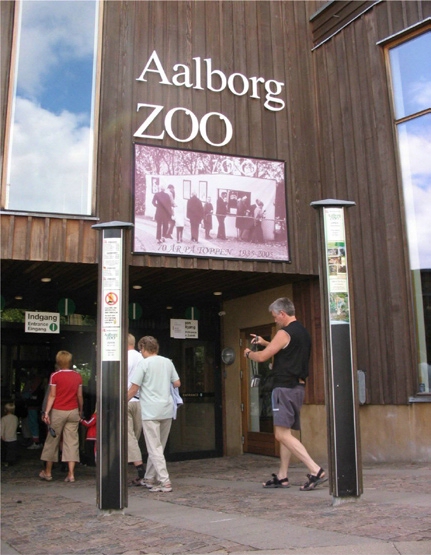
North Denmark Region, DK
Puedes ver Oso Polar, Orangutanes y Tigre.
Ver guía →

Virginia, US
Puedes ver Caballo Clydesdale, Ganado Highland y Ovejas.
Ver guía →
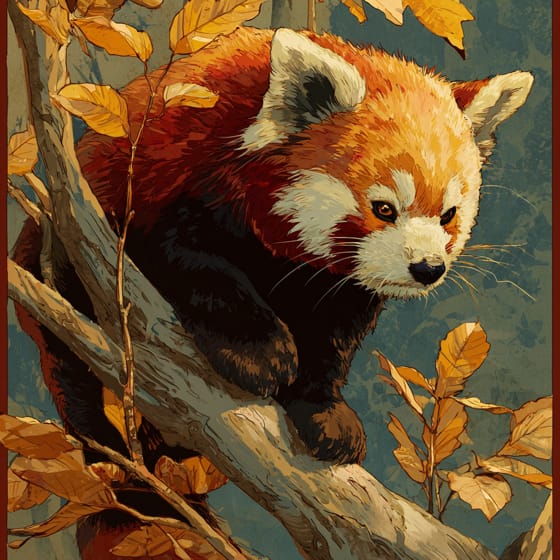
Saxony, DE
Puedes ver Panda Rojo, Yak y Camello Bactriano Doméstico.
Ver guía →

Florida, US
Puedes ver Manatí Antillano, Caimán Americano y Macaco Rhesus.
Ver guía →

Masovian Voivodeship, PL
Puedes ver Elefante Africano, Tiburón Toro y Gorila.
Ver guía →
Llévate el descubrimiento
Haz una foto con Snappit, identifica la especie y guarda el hallazgo en tu colección.







.jpg&width=800)



