Virginia creeper
Parthenocissus quinquefolia
Virginia creeper is a climbing plant with beautiful green leaves that turn bright red in the fall. It loves to grow on walls and fences, making it look like a green blanket!
Hábitat: Forests
The Virginia creeper is a climbing vine with distinctive palmate leaves, usually featuring five leaflets that radiate from a central point. Its foliage changes from green to vibrant reds, oranges, and purples in the autumn, often producing dark blue-black berries. It attaches to surfaces using small, disc-like adhesive pads.
Categoría
PlantasRareza
Common
Peligro
2/5 · Bajo
Snaps
¡Sé la primera persona en hacer un snap!
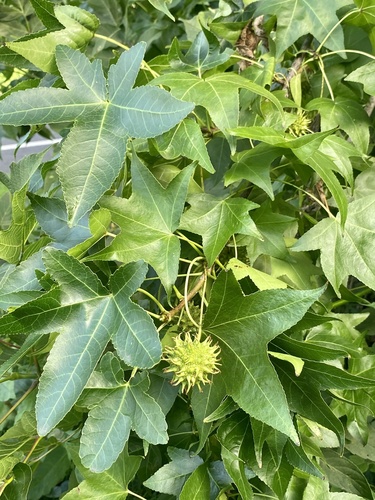
Each leaf usually has five leaflets, a great way to tell it apart from the three-leaf poison ivy!
Its berries contain irritating oxalic acid, so humans should never eat them, even though birds do!
This speedy climber can grow over three meters in a single year, quickly covering fences and walls!
Tiny green flowers attract bees, which help create the dark berries that many birds feast on.
Virginia creeper can scale walls and trees using tiny, sticky adhesive pads on its tendrils that grip surfaces firmly.
Virginia creeper has leaves that turn brilliant red in fall, helping animals spot its dark berries, a winter food source.
Virginia creeper has flexible stems and strong roots, helping it thrive in many different tough environments.
Turdus migratorius
eats ripe berries
Sialia sialis
consumes its fruit
Apis mellifera
visits small flowers
Passer domesticus
nests in dense vines
Las plantas trepadoras o enredaderas se caracterizan por un hábito de crecimiento que les permite ascender enrollándose o usando zarcillos o raíces adhesivas.
Las plantas caducifolias pierden periódicamente todas sus hojas, por lo general durante el otoño o las estaciones secas.
Las plantas ornamentales se cultivan principalmente por su atractivo estético, embelleciendo paisajes y jardines con su atractivo follaje, flores o forma.
Las plantas frutales producen frutos, que son los ovarios maduros de las plantas con flores que contienen semillas.

Los colores otoñales se refieren al cambio estacional en la pigmentación del follaje, principalmente en plantas de hoja caduca, mostrando tonos vibrantes.

Los hábitats boscosos son entornos terrestres dominados por una densa cubierta arbórea, que sustentan una gran diversidad de vida animal y vegetal.
Peligro
2/5 · Bajo
While Virginia creeper is pretty, it's best to avoid eating its berries, as they can upset your tummy.
100-2000 cm
0.3-0.8 cm
Verano
No
Leve
Perenne
Insectos
Forests
Acércate para separar los grupos y explorar dónde se ha fotografiado este objeto.
Los snaps recientes aparecerán aquí a medida que se añadan nuevas observaciones.
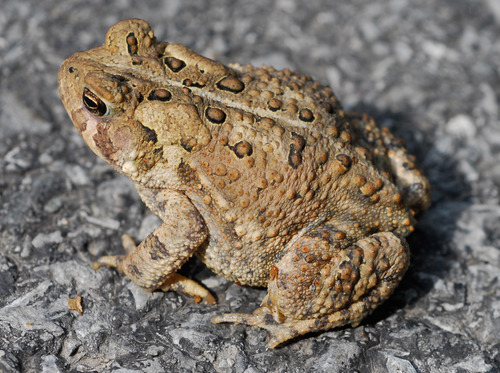
Virginia, US
Puedes ver Sapo Americano, Liquidámbar Americano y Partridgeberry.
Ver guía →
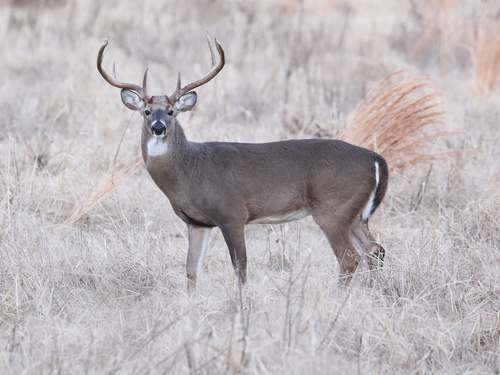
Virginia, US
Puedes ver Ciervo De Cola Blanca, American Tuliptree y Acebo.
Ver guía →
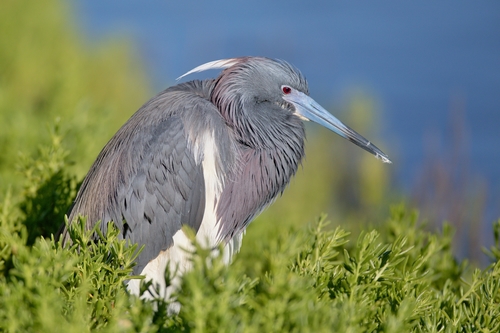
Florida, US
Puedes ver Tricolored Heron, Roseate Spoonbill y Wood Stork.
Ver guía →

Massachusetts, US
Puedes ver White Mulberry, Paloma Huilota y Eastern Black Carpenter Ant.
Ver guía →
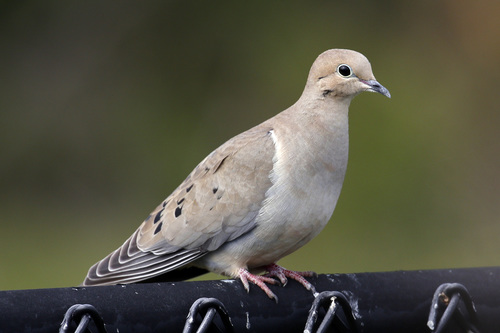
South Dakota, US
Puedes ver Paloma Huilota, Buitre y Woodhouse's Toad.
Ver guía →
District of Columbia, US
Puedes ver Liquidámbar Americano, Amur Honeysuckle y Virginia Creeper.
Ver guía →