






Virginia Pepperweed
lepidium virginicum
Virginia Pepperweed is a fun plant that can grow up to 3 feet tall! Its tiny white flowers and peppery taste make it a favorite among adventurous eaters.
Hábitat: Virginia Pepperweed grows in disturbed areas, such as fields, roadsides, and gardens.
The Virginia Pepperweed has a slender, often branching stem with small, toothed green leaves that form a rosette at its base. Tiny white flowers bloom in clusters along the stem, followed by distinctive flat, round seedpods resembling miniature flying saucers.
Categoría
PlantasRareza
Common
Peligro
0/5 · Sin peligro conocido
Snaps
¡Sé la primera persona en hacer un snap!
Its tiny seeds taste surprisingly like black pepper, a real spice bomb!
Look closely at its flowers; they're so small, they're often smaller than a ladybug!
The name 'pepperweed' comes from the peppery zing of its leaves and seeds!
This plant is a wild cousin to broccoli and cabbage, part of the mustard family!
Virginia Pepperweed can sprout and grow quickly in many different soils, helping it survive and thrive even in tough spots.
This plant has a spicy flavor from mustard oils, which can deter some hungry animals and make it taste interesting.
Its flat, disc-like seedpods are perfectly shaped to catch the wind, helping them travel far to find new homes.
Virginia Pepperweed can keep its leaves green even in mild winters, allowing it to gather sunlight when other plants can't.
Apis mellifera
Visits its tiny flowers for nectar and pollen.
Carduelis tristis
Feeds on the nutritious, disc-shaped seeds.
Pieris rapae
Its caterpillars munch on the peppery leaves.
Colorido describe a organismos u objetos que exhiben una amplia variedad de colores brillantes y distintivos.
Este rasgo caracteriza a los organismos cuya dieta consiste total o principalmente en material vegetal.
Los hábitats de pastizales son biomas terrestres dominados por pastos y plantas herbáceas, que sustentan a una variedad de animales de pastoreo.
Describe organismos que transfieren polen, permitiendo la fertilización y reproducción de las plantas.
Peligro
0/5 · Sin peligro conocido
Todavía no hay notas especiales de seguridad.
10-60 cm
10-30 cm
0.2-0.3 cm
Spring to Fall (April-October)
Sí
Ninguna
Anual
Insectos
Acércate para separar los grupos y explorar dónde se ha fotografiado este objeto.
Los snaps recientes aparecerán aquí a medida que se añadan nuevas observaciones.
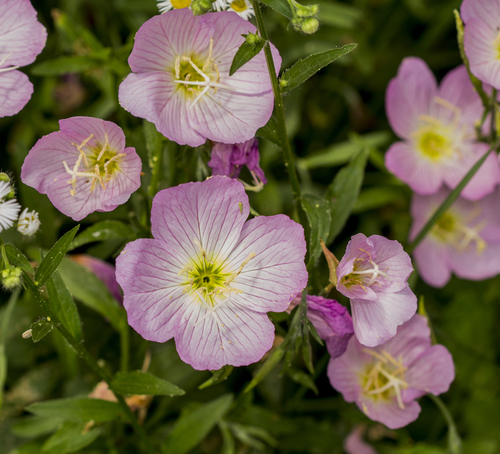
Virginia, US
Puedes ver Pinkladies, Hickories y Japanese Aucuba.
Ver guía →
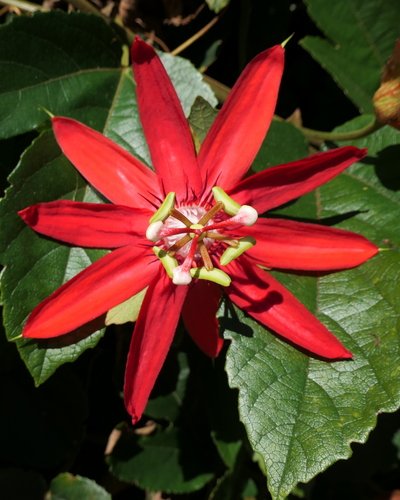
Florida, US
Puedes ver Passiflora 'scarlet Flame' y Carolina Burying Beetle.
Ver guía →

Virginia, US
Puedes ver Equinácea, Southern Wild Raisin y Liquidámbar Americano.
Ver guía →


















.jpg&width=800)


