Virginia waterleaf
Hydrophyllum virginianum
Virginia waterleaf is a lovely plant with pretty, heart-shaped leaves. It grows in shady places and has beautiful blue flowers that bloom in spring, making it a delightful sight in the forest!
Hábitat: Forests
The Virginia waterleaf has distinctive green leaves with silvery-white blotches that resemble water stains, particularly when young. Its small, bell-shaped flowers bloom in dense, fuzzy clusters, typically appearing in shades of lavender, white, or pale purple.
Categoría
PlantasRareza
Common
Peligro
1/5 · Muy bajo
Snaps
¡Sé la primera persona en hacer un snap!
Its unique leaf "watermarks" often vanish when the plant has plenty of water!
Many types of native bees and butterflies love to visit its small, nectar-rich, bell-shaped flowers.
Native Americans traditionally consumed its tender young leaves as a nutritious spring vegetable.
The plant's scientific name, Hydrophyllum, literally means "water leaf" in ancient Greek!
Virginia waterleaf can thrive in low-light conditions, allowing it to grow where many other plants struggle.
Its leaves have unique silvery blotches that may help reflect light in dim forests or deter herbivores.
Virginia waterleaf has edible young leaves, offering a valuable food source for wildlife and humans in early spring.
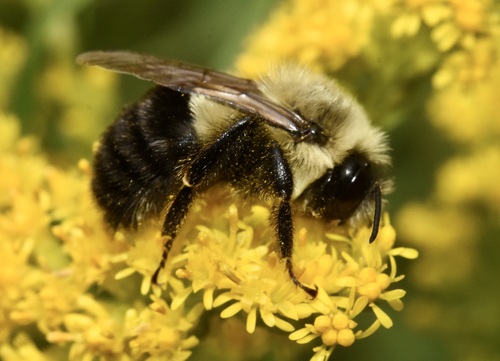
Bombus impatiens
collects nectar and pollen from its flowers
Apis mellifera
visits flowers for nectar and pollen
Odocoileus virginianus
browses on its leaves and stems
Marmota monax
eats the plant's foliage
Las plantas con flores son cualquier planta que produce flores como parte de su ciclo reproductivo.
Las plantas de floración primaveral producen sus flores durante la temporada de primavera, lo que a menudo significa el final del invierno y el comienzo de un nuevo crecimiento.
Las plantas tolerantes a la sombra están adaptadas para crecer y prosperar en áreas con bajos niveles de luz, requiriendo menos luz solar directa.
Las plantas medicinales poseen compuestos químicos que pueden utilizarse con fines terapéuticos para tratar enfermedades o mantener la salud.

Las plantas comestibles son aquellas partes de una planta que se consideran seguras para el consumo humano.

Describe plantas que son particularmente atractivas y beneficiosas para una amplia variedad de organismos polinizadores.

Los hábitats boscosos son entornos terrestres dominados por una densa cubierta arbórea, que sustentan una gran diversidad de vida animal y vegetal.
Todavía no hay alias listados.
Peligro
1/5 · Muy bajo
Always look but don't touch plants unless you know they are safe.
15-60 cm
30-45 cm
0.5-1 cm
Late spring to early summer (May-July)
Sí
Ninguna
Perenne
Insectos
Acércate para separar los grupos y explorar dónde se ha fotografiado este objeto.
Los snaps recientes aparecerán aquí a medida que se añadan nuevas observaciones.
Minnesota, US
Puedes ver Common Eastern Bumble Bee, Wood Nettle y Ciervo De Cola Blanca.
Ver guía →

Illinois, US
Puedes ver Pond Slider, Virginia Bluebells y Barnacla Canadiense.
Ver guía →

South Dakota, US
Puedes ver Brittle Pricklypear, Eastern Redcedar y Common Cowparsnip.
Ver guía →