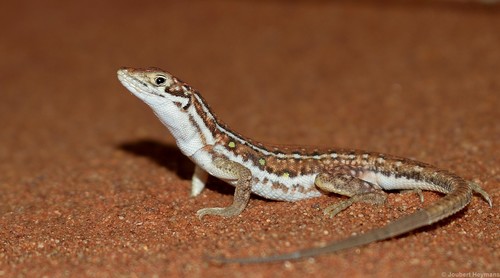


Wall Lizards
lacertidae
Wall lizards, belonging to the diverse reptile family Lacertidae, are agile, sun-loving creatures renowned for their quick movements and remarkable climbing abilities. Commonly found darting across stone walls, rocky outcrops, and urban gardens, these lizards are a delightful and common sight throughout Europe, Asia, and parts of Africa. They have adapted exceptionally well to human-modified landscapes, frequently utilizing stone walls and brickwork as artificial cliffs for basking and hunting. With their inquisitive nature and rapid, jerky movements, wall lizards are fascinating subjects for nature enthusiasts. They play a vital role in their ecosystems as both efficient predators of small invertebrates and a crucial food source for larger birds, snakes, and mammals, helping to maintain ecological balance.
Hábitat: Typically found on sunny stone walls, rocky cliffs, ruins, scree slopes, and urban structures where they can easily bask and find crevices for shelter.
Wall lizards typically feature slender, slightly flattened bodies, long slender tails, and pointed heads. Their coloration is highly variable, ranging from shades of brown to vibrant green, often adorned with intricate patterns of dark spots, stripes, or reticulations along their backs and flanks. Some males display bright green or blue spots on their outer belly scales, especially during the breeding season. They generally measure between 12 to 25 cm in total length, with the tail accounting for up to two-thirds of that length.
Categoría
ReptilesRareza
Common
Peligro
1/5 · Muy bajo
Snaps
¡Sé la primera persona en hacer un snap!
To survive cold winters, they enter a state of brumation, a reptilian equivalent of hibernation, squeezing deep into frost-free rock fissures.
Wall lizards can colonize urban environments rapidly because mortar joints in modern brickwork mimic the natural rock crevices of their ancestral habitats.
When a wall lizard regrows its tail after shedding it, the new tail is supported by a rod of cartilage rather than real bony vertebrae.
Can self-amputate its tail to escape predators, leaving the wriggling tail behind as a distraction while it flees and regenerates a new one.
Possesses exceptionally sharp claws and strong, slender digits that allow them to scale vertical brick, stone, and rock surfaces with ease.
Masterfully regulates body temperature by flattening its body against sun-warmed rocks or retreating into cool crevices.
Feeds opportunistically on a wide variety of small terrestrial invertebrates, actively hunting them on sunny surfaces and inside rocky crevices.
Diferencias por edad: Juveniles focus on smaller, soft-bodied insects like aphids and springtails, while adults consume larger beetles and hard-shelled invertebrates.
Falco tinnunculus
Frequently preys upon wall lizards basking in open, exposed areas.
Coronella austriaca
Specialist predator that hunts wall lizards within rock crevices and dense vegetation.
Araneus diadematus
Actively hunted and consumed by wall lizards as a common part of their diet.
Aún no hay insignias de rasgos asignadas a este objeto.
Todavía no hay alias listados.
Las colecciones para este objeto aparecerán aquí a medida que se añadan más temas.
Peligro
1/5 · Muy bajo
Todavía no hay notas especiales de seguridad.
La forma más fácil de identificar a Wall Lizards es usar la aplicación de identificación de naturaleza Snappit.
12-25 cm
0.005-0.015 kg
4-10 años
10 km/h
Feeds opportunistically on a wide variety of small terrestrial invertebrates, actively hunting them on sunny surfaces and inside rocky crevices.
Typically found on sunny stone walls, rocky cliffs, ruins, scree slopes, and urban structures where they can easily bask and find crevices for shelter.
Foraging
Acércate para separar los grupos y explorar dónde se ha fotografiado este objeto.
Los snaps recientes aparecerán aquí a medida que se añadan nuevas observaciones.