






Wandering Salamander
Aneides vagrans
The Wandering Salamander is a small, colorful amphibian that loves to explore its forest home. It has a smooth body and can often be found hiding under rocks or logs.
Hábitat: Forests
The Wandering Salamander is a slender amphibian with a flattened head, wide mouth, and large, prominent eyes. Its skin is mottled with shades of brown, green, and yellowish-orange, often resembling lichen or moss. It has a distinctive prehensile tail.
Categoría
AnfibiosRareza
Common
Peligro
1/5 · Muy bajo
Snaps
¡Sé la primera persona en hacer un snap!
Instead of swimming tadpoles, tiny baby salamanders hatch looking just like mini adults!
Some Wandering Salamanders can change their color slightly to match bark or moss.
These amazing climbers can even hang upside down using their special prehensile tails!
They are called 'wandering' because they climb high into trees, exploring their forest canopy home!
Wandering Salamander has a prehensile tail that helps them grip branches and climb high into trees for safety.
Wandering Salamander can climb smooth surfaces because of specialized toe pads on its feet, aiding arboreal life.
Wandering Salamander undergoes direct development, meaning miniature, fully-formed salamanders hatch from eggs.
Feasts on tiny bugs, spiders, and other small invertebrates found in its forest home.
Thamnophis sirtalis
A common predator in its forest habitat.

Cyanocitta stelleri
Forest birds sometimes prey on salamanders.
Formica fusca
A frequent meal for the salamander.
Argiope aurantia
Preys on small spiders in its habitat.
Los animales solitarios viven solos durante la mayor parte de su vida y solo interactúan con otros para aparearse o cuidar de sus crías.
El camuflaje describe a los organismos que poseen colores o patrones que les permiten mezclarse con su entorno.
Colorido describe a organismos u objetos que exhiben una amplia variedad de colores brillantes y distintivos.
Este rasgo identifica a los organismos cuya dieta consiste principalmente en insectos y otros pequeños invertebrados.

Los hábitats boscosos son entornos terrestres dominados por una densa cubierta arbórea, que sustentan una gran diversidad de vida animal y vegetal.

Describe a los organismos que descomponen la materia orgánica muerta, reciclando los nutrientes de vuelta al ecosistema.
Los organismos regenerativos poseen la capacidad de volver a desarrollar partes del cuerpo, tejidos u órganos perdidos o dañados.

Los animales nocturnos están principalmente activos durante la noche, y suelen descansar o dormir durante el día.

El estado de peligro de extinción indica que una especie corre un riesgo muy alto de extinguirse en estado silvestre en un futuro próximo.
Todavía no hay alias listados.
Peligro
1/5 · Muy bajo
Always look but don't touch salamanders, as they can be delicate and need their homes to stay safe.
6-10 cm
0.003-0.008 kg
5-10 años
0.1 km/h
Feasts on tiny bugs, spiders, and other small invertebrates found in its forest home.
Forests
Foraging
10-25
Acércate para separar los grupos y explorar dónde se ha fotografiado este objeto.
Los snaps recientes aparecerán aquí a medida que se añadan nuevas observaciones.

British Columbia, CA
Puedes ver Barnacla Canadiense, Oregon Oak y Golondrina Común.
Ver guía →
British Columbia, CA
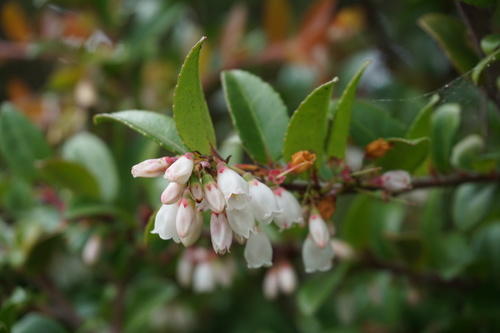
Puedes ver Evergreen Huckleberry, Salal y Pacific Madrone.
Ver guía →
British Columbia, CA
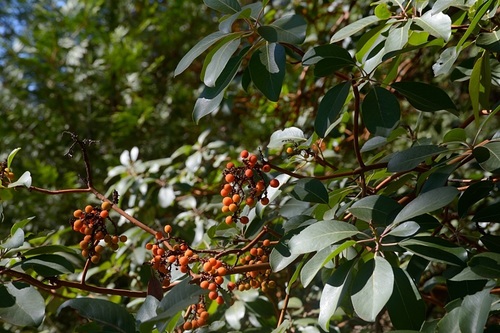
Puedes ver Pacific Madrone y Western Rattlesnake Plantain.
Ver guía →











