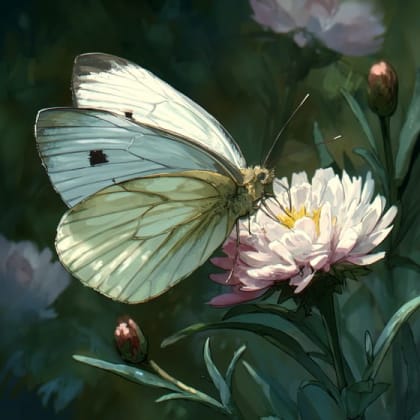
Waterlily Leaf Beetle
Galerucella nymphaeae
The Waterlily Leaf Beetle is a small, shiny bug that loves to munch on waterlily leaves. They are bright green and can be found floating on ponds and lakes, making them fun to spot!
Hábitat: Wetlands
The Waterlily Leaf Beetle is a small, oval-shaped insect, typically brownish-yellow to dull olive-green. It has a slightly flattened body and is often found clinging to the surface of waterlily leaves, which it visually resembles. Its dull coloration helps it blend in.
Categoría
InsectosRareza
Common
Peligro
1/5 · Muy bajo
Snaps
¡Sé la primera persona en hacer un snap!
Adults can live for several weeks after emerging, constantly eating waterlily leaves!
Female beetles lay eggs on the underside of waterlily leaves, safe from above-water threats!
Their larvae chew hidden tunnels inside waterlily leaves, munching away unseen!
Waterlily Leaf Beetles have special claws that help them grip slippery waterlily surfaces!
Waterlily Leaf Beetle can breathe underwater by trapping a bubble of air under its wings, helping it hide from predators.
Waterlily Leaf Beetle has strong mandibles that help them chew through tough waterlily leaves for food and shelter.
Waterlily Leaf Beetle has a hard, shiny exoskeleton that helps protect its soft body from damage and predators.
Waterlily Leaf Beetle can fly between ponds and wetlands, helping them find new food sources and mates.
This beetle munches on the leaves of waterlilies and other aquatic plants, both as larvae and adults.
Diferencias por edad: Larvae feed inside or on waterlily leaves, while adults feed on the leaf surface.
Nymphaea odorata
Primary food source for both larval and adult stages.
Lithobates catesbeianus
Adult beetles can be prey for larger frogs near water.
Anas platyrhynchos
Ducks may consume larvae or adult beetles on aquatic plants.
Los animales solitarios viven solos durante la mayor parte de su vida y solo interactúan con otros para aparearse o cuidar de sus crías.
El camuflaje describe a los organismos que poseen colores o patrones que les permiten mezclarse con su entorno.
Colorido describe a organismos u objetos que exhiben una amplia variedad de colores brillantes y distintivos.
Este rasgo caracteriza a los organismos cuya dieta consiste total o principalmente en material vegetal.

Este rasgo de hábitat identifica especies que se encuentran en humedales, que son áreas de tierra saturadas de agua, ya sea permanente o estacionalmente, e incluyen marismas, pantanos y ciénagas.

Los animales diurnos están activos principalmente durante el día y suelen descansar o dormir por la noche.

Describe una especie cuya presencia y papel tienen un efecto desproporcionadamente grande en su entorno.

Describe organismos que transfieren polen, permitiendo la fertilización y reproducción de las plantas.
Todavía no hay alias listados.
Peligro
1/5 · Muy bajo
Be gentle if you see one, and don't touch them too much, as they are small and delicate.
10-15 mm
5-8 mm
30-60 días
This beetle munches on the leaves of waterlilies and other aquatic plants, both as larvae and adults.
Wetlands
Grazing
6
Acércate para separar los grupos y explorar dónde se ha fotografiado este objeto.
Los snaps recientes aparecerán aquí a medida que se añadan nuevas observaciones.