wax currant
Ribes cereum
The wax currant is a small shrub that grows tasty, sweet berries. These berries are often covered in a waxy coating, which helps keep them fresh and delicious for animals and people to enjoy!
Hábitat: Forests
The wax currant has distinctive, rounded leaves covered in a waxy, sticky resin, giving them a dull, greenish-gray hue. Its small, tubular flowers range from pinkish-white to pale red, maturing into shiny red or orange berries.
Categoría
PlantasRareza
Common
Peligro
1/5 · Muy bajo
Snaps
¡Sé la primera persona en hacer un snap!
Its name "cereum" means "waxy," just like a crayon!
Many native bee species absolutely love its tiny, tube-shaped flowers!
Some birds use its dense branches for safe, cozy nesting spots!
You can smell its unique, spicy scent just by touching its leaves!
The wax currant has sticky, waxy leaves that help it store water and survive in dry, arid environments.
It can produce a strong, resinous scent from its leaves, which helps deter hungry animals from nibbling on it.
This plant grows bright red berries, acting like a beacon to birds, who then help spread its seeds far and wide.
Turdus migratorius
Feeds on its ripe, juicy berries.
Bombus bifarius
Visits the small, tubular flowers for nectar.
Ursus americanus
Consumes its sweet berries when available.
Un arbusto es una planta leñosa más pequeña que un árbol, típicamente con múltiples tallos que se ramifican desde o cerca del suelo.
Las plantas frutales producen frutos, que son los ovarios maduros de las plantas con flores que contienen semillas.
Las plantas comestibles son aquellas partes de una planta que se consideran seguras para el consumo humano.
Describe plantas que son particularmente atractivas y beneficiosas para una amplia variedad de organismos polinizadores.

Los hábitats boscosos son entornos terrestres dominados por una densa cubierta arbórea, que sustentan una gran diversidad de vida animal y vegetal.
Todavía no hay alias listados.
Peligro
1/5 · Muy bajo
Always check with an adult before eating any wild berries.
50-200 cm
100-200 cm
0.5-1 cm
Spring to early summer
Sí
Ninguna
Perenne
Insectos
Acércate para separar los grupos y explorar dónde se ha fotografiado este objeto.
Los snaps recientes aparecerán aquí a medida que se añadan nuevas observaciones.
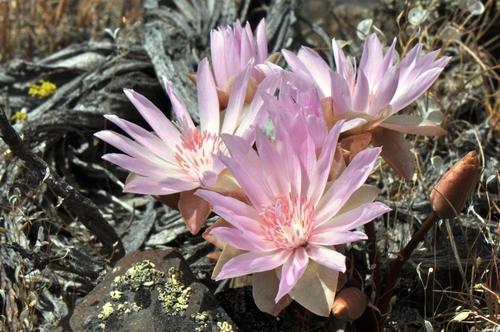
British Columbia, CA
Puedes ver Bitterroot, Arrowleaf Balsamroot y Western Stoneseed.
Ver guía →
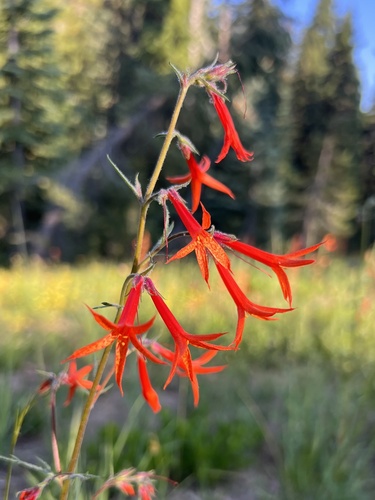
British Columbia, CA
Puedes ver Scarlet Gilia, Great Blanketflower y Solomon's Plume.
Ver guía →
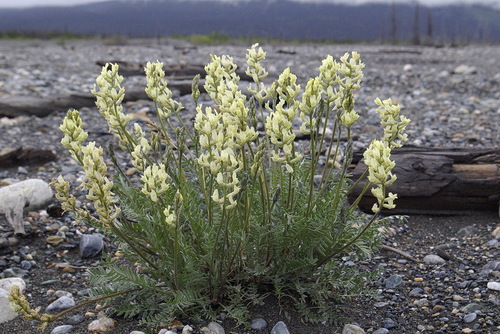
British Columbia, CA
Puedes ver Field Locoweed, Silky Lupine y Wax Currant.
Ver guía →
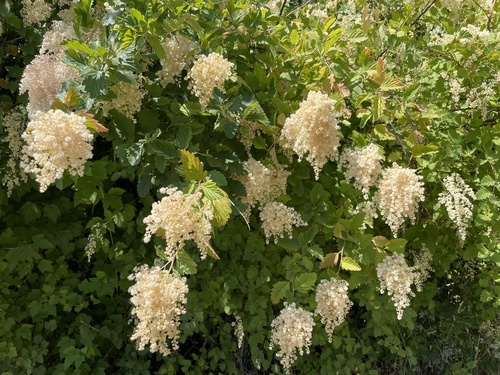
British Columbia, CA
Puedes ver Ocean Spray, Rocky Mountain Woodsia y Prairie Smoke.
Ver guía →
California, US
Puedes ver Jeffrey Pine y Pandora Pinemoth.
Ver guía →

British Columbia, CA
Puedes ver Oregon Grape, Shinyleaf Meadowsweet y Bush Penstemon.
Ver guía →