




West Coast Ant Cricket
Myrmecophilus oregonensis
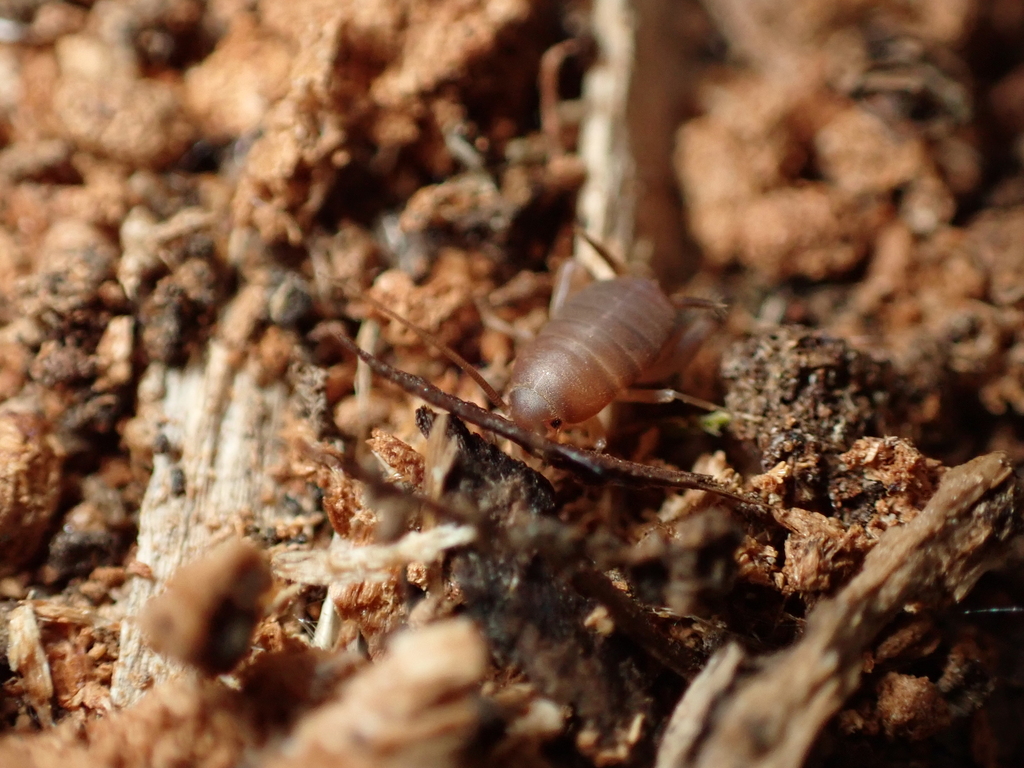
The West Coast Ant Cricket is a tiny insect that loves to hang out with ants! It has long legs and a special body that helps it blend in with its ant friends.
Hábitat: Coastal areas
The West Coast Ant Cricket is a tiny, rounded, wingless insect, usually pale yellow to light brown. It has a smooth, somewhat flattened body and very long, slender antennae that help it navigate in the dark ant nests.
Categoría
InsectosRareza
Common
Peligro
1/5 · Muy bajo
Snaps
¡Sé la primera persona en hacer un snap!
If an ant gets too close, this tiny cricket will often play completely still!
Some West Coast Ant Crickets live their whole lives in total darkness!
They can ride on the backs of busy ants to travel around the nest!
This cricket has no wings at all, so it can't fly!
West Coast Ant Cricket can trick ants by smelling like them because of special chemicals, helping them live safely in ant nests.
West Coast Ant Cricket has a knack for sneaking around because it moves quietly, finding tiny food bits ants leave behind.
West Coast Ant Cricket can play dead when threatened because it freezes completely, making ants think it's just a pebble.
This tiny cricket is a scavenger, munching on leftover food and waste inside ant nests.
Formica fusca
Lives within their colonies, feeding on scraps.
Camponotus modoc
Inhabits nests of this common West Coast carpenter ant.
Tapinoma sessile
Can be found in colonies of these common ants.
Los animales sociales viven en grupos organizados, cooperando para obtener beneficios de supervivencia como la búsqueda de alimento, la defensa y la cría de descendencia.
Los carroñeros consumen materia orgánica muerta, ayudando a descomponer los cadáveres y otros desechos en el ecosistema.
Este rasgo identifica organismos cuya dieta incluye tanto materia vegetal como animal.
El camuflaje describe a los organismos que poseen colores o patrones que les permiten mezclarse con su entorno.

Este rasgo identifica a los organismos cuya dieta consiste principalmente en insectos y otros pequeños invertebrados.

Los hábitats costeros son entornos dinámicos situados a lo largo de la interfaz entre la tierra y el mar, influenciados por las mareas, las olas y el agua salada.

Relativo a especies que son significativamente más pequeñas que lo típico o promedio de su tipo.

Los animales nocturnos están principalmente activos durante la noche, y suelen descansar o dormir durante el día.
Todavía no hay alias listados.
Peligro
1/5 · Muy bajo
Be gentle and watch where you step, as small insects like crickets can be easily missed.
2-4 mm
60-120 días
This tiny cricket is a scavenger, munching on leftover food and waste inside ant nests.
Coastal areas
Foraging
6
Acércate para separar los grupos y explorar dónde se ha fotografiado este objeto.
Los snaps recientes aparecerán aquí a medida que se añadan nuevas observaciones.












