






Western Bluebird
Sialia mexicana
The Western Bluebird is a cheerful bird with bright blue feathers and a warm orange belly. They love to sing and can often be seen perched on fences or trees, looking for tasty insects to eat.
Hábitat: Open woodlands
The Western Bluebird has a vibrant cobalt blue head, back, and wings for males, contrasting with a rusty orange breast and flanks. Females have duller blue and orange. They are easily distinguished by their prominent rust-colored chest and white belly.
Categoría
AvesRareza
Common
Peligro
1/5 · Muy bajo
Snaps
¡Sé la primera persona en hacer un snap!
Male bluebirds sing a soft 'feer-feer' song to attract their mates.
Sometimes, other young bluebirds help their parents raise new chicks!
Their stunning blue color comes from light scattering, not blue pigment!
They often use human-made birdhouses, which helps their populations thrive!
Western Bluebirds can spot insects from a high perch and then pounce down to catch them on the ground.
Western Bluebirds have the ability to nest in natural tree hollows or old woodpecker holes for safety.
Western Bluebirds can switch their diet to eat more berries in winter when insects are scarce, helping them survive.
Western Bluebirds enjoy a mix of insects and juicy berries, finding food from perches or the ground.
Diferencias por edad: Young birds eat only insects for rapid growth; adults eat more fruit in winter when insects are scarce.
Accipiter cooperii
Hunts adult bluebirds.
Felis catus
Predates on birds, especially nestlings.

Juniperus communis
Consumes berries in winter.
Pinus ponderosa
Nests in tree cavities.
Describe a los animales, principalmente aves, que poseen una cubierta de plumas.
Los animales sociales viven en grupos organizados, cooperando para obtener beneficios de supervivencia como la búsqueda de alimento, la defensa y la cría de descendencia.
Las criaturas aéreas pasan una parte importante de su vida en el aire, utilizando el vuelo para diversas actividades como la caza, la migración o la anidación.
Los animales cantores producen vocalizaciones complejas, a menudo con el propósito de atraer parejas, defender el territorio o comunicarse dentro de su especie.

Colorido describe a organismos u objetos que exhiben una amplia variedad de colores brillantes y distintivos.

Este rasgo identifica a los organismos cuya dieta consiste principalmente en insectos y otros pequeños invertebrados.

Los animales diurnos están activos principalmente durante el día y suelen descansar o dormir por la noche.
Todavía no hay alias listados.
Peligro
1/5 · Muy bajo
Enjoy watching birds from a distance, and don't try to touch or catch them.
15-18 cm
28-35 cm
0.028-0.032 kg
6-10 años
45 km/h
Western Bluebirds enjoy a mix of insects and juicy berries, finding food from perches or the ground.
Open woodlands
Foraging
Acércate para separar los grupos y explorar dónde se ha fotografiado este objeto.
Los snaps recientes aparecerán aquí a medida que se añadan nuevas observaciones.
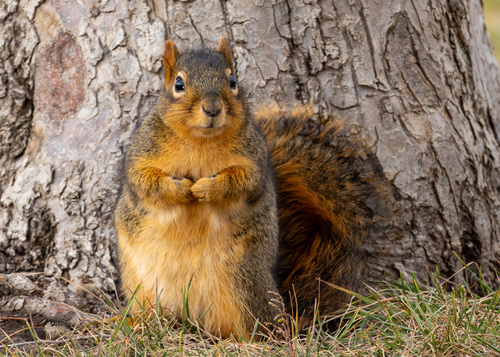
California, US
Puedes ver Eastern Fox Squirrel, Cuervo Común y Paloma Huilota.
Ver guía →

California, US
Puedes ver Pato, American Coot y Barnacla Canadiense.
Ver guía →
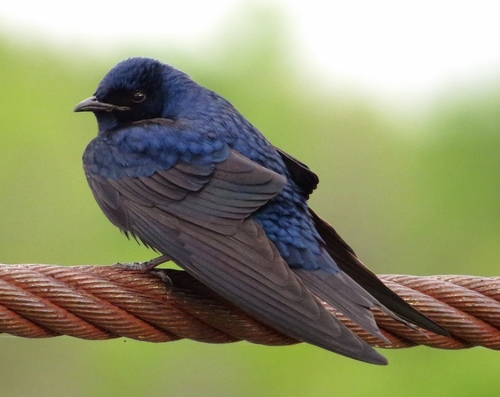
California, US
Puedes ver Purple Martin, Acorn Woodpecker y Junco Ojioscuro.
Ver guía →
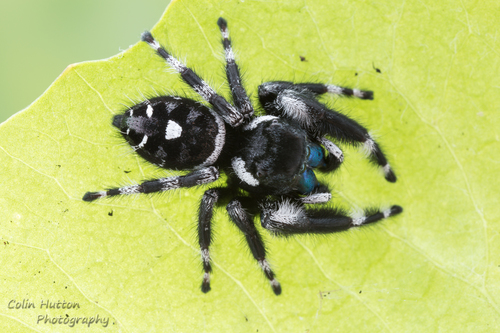
California, US
Puedes ver Bold Jumping Spider, Marbled Cellar Spider y Black Phoebe.
Ver guía →
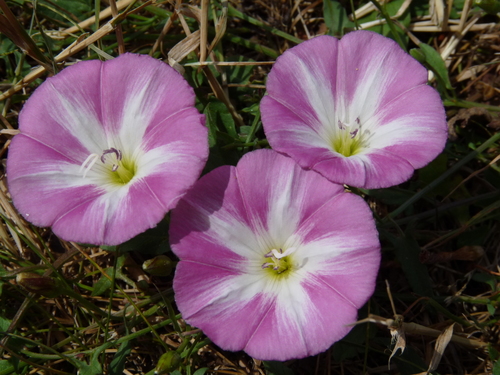
California, US
Puedes ver Field Bindweed, Charlock y Figeater Beetle.
Ver guía →
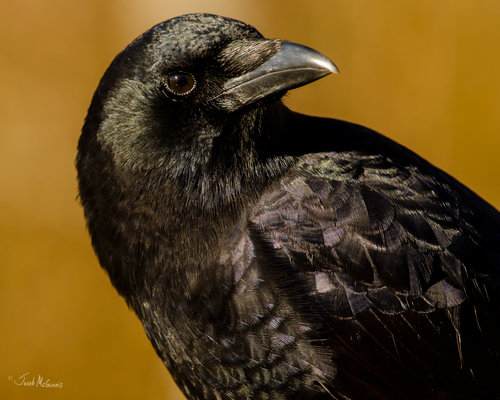
California, US
Puedes ver Cuervo Americano, Yellow-Rumped Warbler y Lincoln's Sparrow.
Ver guía →




.jpg&width=800)







