






Western Cattle-Egret
Ardea ibis
The Western Cattle-Egret is a friendly bird that loves to hang out near cows and other animals. They help keep the fields clean by eating bugs and insects, making them great helpers on farms!
Hábitat: Wetlands
The Western Cattle-Egret is a small, stocky egret, typically pure white with a short, stout yellow bill and yellow legs. During breeding season, it develops distinctive orange-buff plumes on its head, back, and chest, making it visually unique among white egrets.
Categoría
AvesRareza
Common
Peligro
1/5 · Muy bajo
Snaps
¡Sé la primera persona en hacer un snap!
Cattle Egrets often sleep and nest in huge groups, sometimes with thousands of birds!
Its name comes from its clever habit of always hanging out near cattle!
They sometimes eat surprising foods like lizards, frogs, and even small mice!
This bird spread across the world in just 100 years, often flying across oceans!
Western Cattle-Egret can follow large grazing animals, attracting insects that are disturbed by their movement, making hunting easier.
Western Cattle-Egret has brilliant orange-buff feathers during breeding season, which signals readiness to find a mate.
Western Cattle-Egret can forage near farm machinery, catching small creatures revealed by plows and tractors.
This bird mainly eats bugs and small creatures stirred up by big grazing animals.
Bos taurus
Hunts insects stirred up by grazing.
Locusta migratoria
A primary food source, caught from open ground.
Python sebae
Eggs and chicks are prey in some regions.
Buteo jamaicensis
Adults and juveniles can be prey for large raptors.
Describe a los animales, principalmente aves, que poseen una cubierta de plumas.
Los animales sociales viven en grupos organizados, cooperando para obtener beneficios de supervivencia como la búsqueda de alimento, la defensa y la cría de descendencia.
Este rasgo identifica a los organismos cuya dieta consiste principalmente en insectos y otros pequeños invertebrados.
Este rasgo de hábitat identifica especies que se encuentran en humedales, que son áreas de tierra saturadas de agua, ya sea permanente o estacionalmente, e incluyen marismas, pantanos y ciénagas.

Los animales diurnos están activos principalmente durante el día y suelen descansar o dormir por la noche.

Los animales migratorios emprenden movimientos estacionales de una región a otra, típicamente en respuesta a cambios en el clima o la disponibilidad de alimentos.

Describe organismos que transfieren polen, permitiendo la fertilización y reproducción de las plantas.
Peligro
1/5 · Muy bajo
Enjoy watching birds from a distance and don't try to touch them.
46-56 cm
90-95 cm
0.27-0.55 kg
5-15 años
35 km/h
This bird mainly eats bugs and small creatures stirred up by big grazing animals.
Wetlands
Foraging
Acércate para separar los grupos y explorar dónde se ha fotografiado este objeto.
Los snaps recientes aparecerán aquí a medida que se añadan nuevas observaciones.
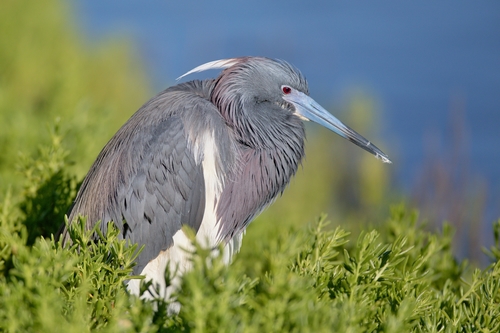
Florida, US
Puedes ver Tricolored Heron, Roseate Spoonbill y Wood Stork.
Ver guía →
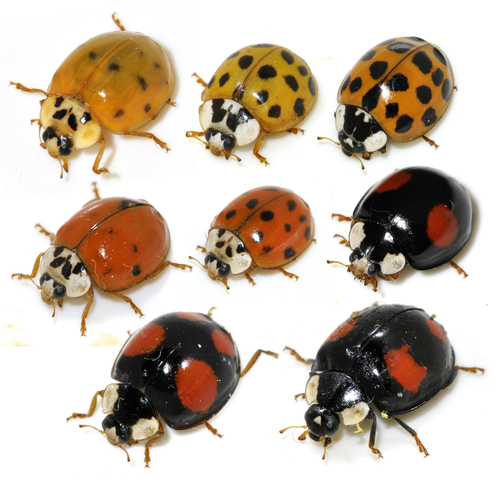
Texas, US
Puedes ver Mariquita Asiática, American Bumble Bee y Cardenal Norteño.
Ver guía →














.jpg&width=800)