western columbine
Aquilegia formosa
The western columbine is a beautiful flower with bright red and yellow petals. It grows in forests and brings color to the woods during spring and summer.
Hábitat: Forests
The western columbine has striking, spurred flowers with vibrant red sepals and yellow petals, creating a fiery bicolour display. Its nodding blooms stand out with their unique shape, making them easy to identify in its natural habitat.
Categoría
PlantasRareza
Common
Peligro
1/5 · Muy bajo
Snaps
¡Sé la primera persona en hacer un snap!
Hummingbirds are its favorite visitors, using their long beaks like straws to sip nectar from deep inside!
Its unique flower shape makes it look like a tiny jester's hat or a cluster of launching rockets!
Some clever bees will chew holes in the flowers to steal nectar without helping to pollinate!
This hardy plant can often be found growing in rocky cracks, showing its amazing toughness!
western columbine has long, hollow spurs that hold sweet nectar, attracting hummingbirds perfectly suited to reach it.
Its delicate, divided leaves allow wind to pass through easily, helping the plant resist strong gusts on exposed slopes.
The bright red and yellow colors, along with specific nectar rewards, signal to pollinators that it's a valuable food source.
.jpg&width=800)
Selasphorus rufus
Sips nectar and carries pollen between flowers.
Bombus melanopygus
Visits flowers for nectar, aiding in pollination.
Odocoileus hemionus
May browse on its leaves and young shoots.
Las plantas caducifolias pierden periódicamente todas sus hojas, por lo general durante el otoño o las estaciones secas.
Las plantas con flores son cualquier planta que produce flores como parte de su ciclo reproductivo.
Las plantas de floración primaveral producen sus flores durante la temporada de primavera, lo que a menudo significa el final del invierno y el comienzo de un nuevo crecimiento.
Las flores fragantes emiten un aroma agradable, a menudo para atraer polinizadores o como defensa.

Colorido describe a organismos u objetos que exhiben una amplia variedad de colores brillantes y distintivos.

Describe plantas que son particularmente atractivas y beneficiosas para una amplia variedad de organismos polinizadores.

Los hábitats boscosos son entornos terrestres dominados por una densa cubierta arbórea, que sustentan una gran diversidad de vida animal y vegetal.
Todavía no hay alias listados.
Peligro
1/5 · Muy bajo
Do not touch or eat flowers without asking an adult first.
30-90 cm
30-60 cm
3-5 cm
Late spring to mid-summer
No
Leve
Perenne
Aves
Acércate para separar los grupos y explorar dónde se ha fotografiado este objeto.
Los snaps recientes aparecerán aquí a medida que se añadan nuevas observaciones.

British Columbia, CA
Puedes ver Broad-Leaved Stonecrop, Western Skunk Cabbage y Salal.
Ver guía →
British Columbia, CA
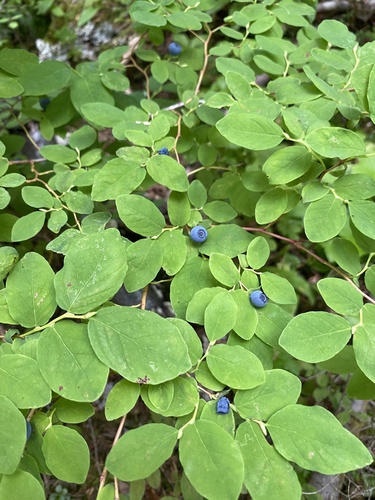
Puedes ver Oval-Leaf Blueberry, Columbia Lily y Green False Hellebore.
Ver guía →

British Columbia, CA
Puedes ver Common Golden-Mantled Ground Squirrel y Giant Red Paintbrush.
Ver guía →
British Columbia, CA
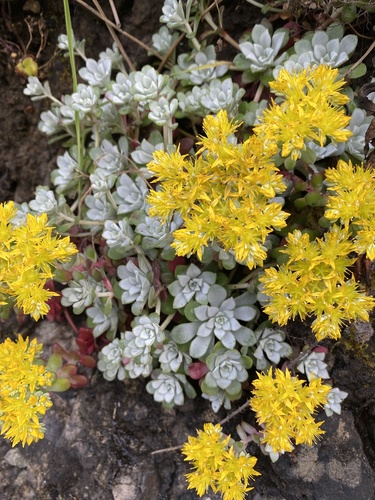
Puedes ver Broad-Leaved Stonecrop y Western Sword Fern.
Ver guía →

British Columbia, CA
Puedes ver Western Columbine, Mountain Lady's-Slipper y Thimbleberry.
Ver guía →

British Columbia, CA
Puedes ver Sitka Valerian, Leafy Aster y Pearly Everlasting.
Ver guía →




_Phlox_paniculata_famous_light_purple_-_Les_Martels%2C_Giroussens_Tarn.jpg&width=800)