Western Deer Mouse
Peromyscus sonoriensis
The Western Deer Mouse is a small, friendly mouse with big ears and a long tail. They love to explore and can be found in many different places, making them fun to spot in nature!
Hábitat: Grasslands
The Western Deer Mouse has soft fur that is grayish-brown on its back and sides, contrasting sharply with a bright white belly and feet. It has large, dark eyes and prominent ears, with a distinctly bicolored tail that is dark on top and light underneath.
Categoría
MamíferosRareza
Common
Peligro
1/5 · Muy bajo
Snaps
¡Sé la primera persona en hacer un snap!
A Western Deer Mouse can twitch its nose up to 12 times a second to smell better!
Mother deer mice often build cozy, cup-shaped nests using plant fibers and soft fur.
Their bicolored tail acts like a rudder, helping them balance when running and climbing.
These mice can adapt to almost any habitat, from deserts to snowy mountains!
Western Deer Mouse has a highly sensitive nose that helps them find hidden seeds and detect predators, even in the dark.
Western Deer Mouse has large eyes that collect more light, giving them excellent vision to navigate and find food at night.
Western Deer Mouse can jump surprisingly high and far because of their strong hind legs, helping them escape danger quickly.
These omnivores munch on seeds, nuts, and berries, but also enjoy a snack of insects!
Bubo virginianus
A common nocturnal predator of the deer mouse.
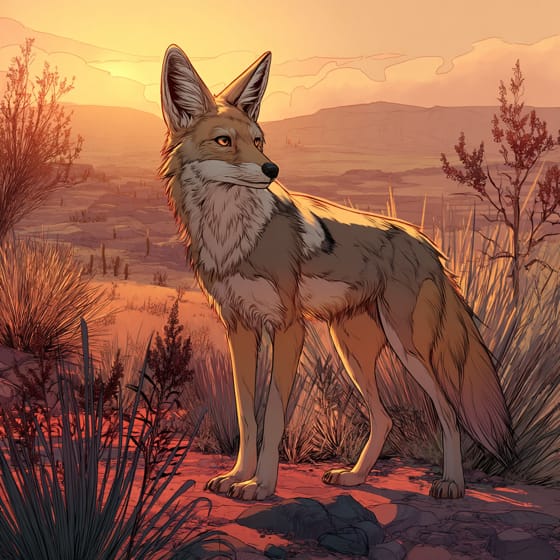
Canis latrans
Hunts these small rodents as part of its varied diet.
Pituophis catenifer
Ambush predator that eats small mammals, including mice.
Peludo describe a los animales que poseen una cubierta densa de pelo o pelaje suave.
Los animales sociales viven en grupos organizados, cooperando para obtener beneficios de supervivencia como la búsqueda de alimento, la defensa y la cría de descendencia.
Este rasgo identifica organismos cuya dieta incluye tanto materia vegetal como animal.
Los hábitats de pastizales son biomas terrestres dominados por pastos y plantas herbáceas, que sustentan a una variedad de animales de pastoreo.

Los animales nocturnos están principalmente activos durante la noche, y suelen descansar o dormir durante el día.
Todavía no hay alias listados.
Peligro
1/5 · Muy bajo
If you see a mouse, it's best to watch from a distance and not try to touch it.
14-22 cm
0.015-0.03 kg
1-2 años
10 km/h
These omnivores munch on seeds, nuts, and berries, but also enjoy a snack of insects!
Grasslands
Foraging
3-7
Acércate para separar los grupos y explorar dónde se ha fotografiado este objeto.
Los snaps recientes aparecerán aquí a medida que se añadan nuevas observaciones.

British Columbia, CA
Puedes ver Broad-Leaved Stonecrop, Western Skunk Cabbage y Salal.
Ver guía →

British Columbia, CA
Puedes ver Broad-Leaved Stonecrop y Littleleaf Silverback.
Ver guía →