






Western Flycatcher
Empidonax difficilis
The Western Flycatcher is a small bird that loves to catch insects in mid-air. With its cheerful song, it can be found flitting around trees and bushes, making it a delightful sight in nature.
Hábitat: Forests
The Western Flycatcher has an olive-green back and a yellowish wash on its belly. It is distinguished by a prominent, pale, teardrop-shaped eye-ring and two buffy wing bars, making it blend well with leafy environments.
Categoría
AvesRareza
Common
Peligro
1/5 · Muy bajo
Snaps
¡Sé la primera persona en hacer un snap!
Despite their tiny size, Western Flycatchers make long migrations every year.
Some flycatchers return to the exact same nesting spot year after year.
Their nests are often so well-hidden, they might even be lined with soft spiderwebs!
They can twist and turn mid-air to catch the fastest flying insects with ease!
Western Flycatcher can snatch flying insects right out of the air because of its agile flight and quick reflexes.
Western Flycatcher has subtle olive-green and yellow feathers that help it blend perfectly into leafy forest canopies.
Western Flycatcher can use a distinctive 'ps-SEET' song to communicate with others and mark its territory in dense woodlands.
This little bird mostly eats flying insects that it catches skillfully in the air.
Pseudotsuga menziesii
Provides nesting sites and perches for hunting.
Vespula vulgaris
A common flying insect prey item.

Glaucidium gnoma
A small owl that preys on songbirds.
Formica rufa
Forages on ants found on tree branches.
Describe a los animales, principalmente aves, que poseen una cubierta de plumas.
Las criaturas aéreas pasan una parte importante de su vida en el aire, utilizando el vuelo para diversas actividades como la caza, la migración o la anidación.
Los animales cantores producen vocalizaciones complejas, a menudo con el propósito de atraer parejas, defender el territorio o comunicarse dentro de su especie.
El camuflaje describe a los organismos que poseen colores o patrones que les permiten mezclarse con su entorno.

Este rasgo identifica a los organismos cuya dieta consiste principalmente en insectos y otros pequeños invertebrados.

Los hábitats boscosos son entornos terrestres dominados por una densa cubierta arbórea, que sustentan una gran diversidad de vida animal y vegetal.

Los animales diurnos están activos principalmente durante el día y suelen descansar o dormir por la noche.
Todavía no hay alias listados.
Peligro
1/5 · Muy bajo
Always watch birds from a distance so they feel safe and happy.
13-17 cm
20-23 cm
0.008-0.012 kg
2-7 años
40 km/h
This little bird mostly eats flying insects that it catches skillfully in the air.
Forests
Pursuit
Acércate para separar los grupos y explorar dónde se ha fotografiado este objeto.
Los snaps recientes aparecerán aquí a medida que se añadan nuevas observaciones.
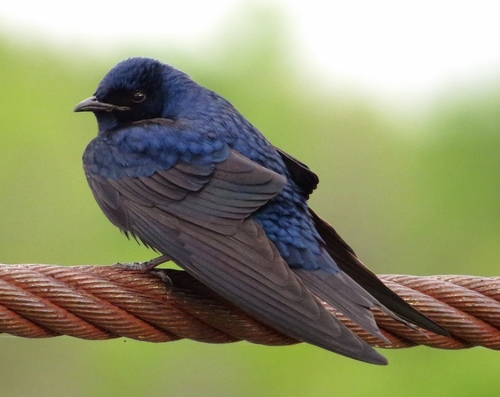
California, US
Puedes ver Purple Martin, Acorn Woodpecker y Junco Ojioscuro.
Ver guía →
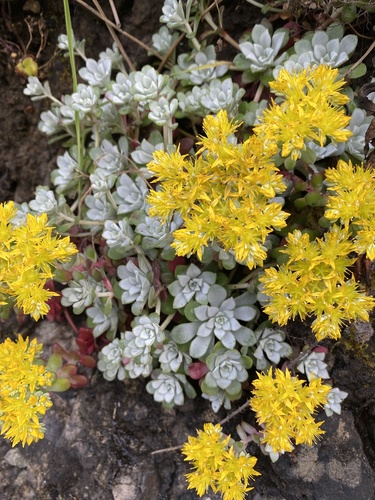
British Columbia, CA
Puedes ver Broad-Leaved Stonecrop y Western Sword Fern.
Ver guía →

British Columbia, CA
Puedes ver Common Bracken, Vanilla Leaf y Western Sword Fern.
Ver guía →

California, US
Puedes ver Lagartija Espinosa Del Oeste y Canyon Sunflower.
Ver guía →




.jpg&width=800)




.jpg&width=800)



