






Western Foxsnake
Pantherophis ramspotti
The Western Foxsnake is a friendly snake with beautiful yellow and brown patterns. It likes to hide in grass and under rocks, making it a great friend for nature explorers!
Hábitat: Grasslands
The Western Foxsnake has a base color of yellow or tan, covered in dark brown or black blotches that run along its back, creating a striking pattern. Its belly is often a creamy yellow with dark checkerboard markings, and a distinctive reddish-orange head sets it apart.
Categoría
ReptilesRareza
Common
Peligro
2/5 · Bajo
Snaps
¡Sé la primera persona en hacer un snap!
Named "foxsnake" for a musky smell it releases when scared, just like a fox!
These amazing climbers can go up trees to hunt bird eggs or even bask in the sun!
They are completely non-venomous and harmless to humans, despite their sometimes fierce looks!
When threatened, they sometimes 'play dead' by going limp to fool predators!
Western Foxsnake can tightly coil around small prey, using its strong muscles to constrict and subdue them quickly.
Western Foxsnake has a distinctive reddish-orange head that can sometimes resemble venomous snakes, deterring potential threats.
Western Foxsnake has blotchy patterns that perfectly camouflage it against forest floors and grassy areas, aiding in hunting and hiding.
This snake is a hunter that eats small animals it finds on the ground, helping to control rodent populations.
Peromyscus maniculatus
Main food source, helping control mouse populations.
Microtus pennsylvanicus
Frequently preyed upon, an important part of its diet.
Buteo jamaicensis
A common aerial predator, especially of younger snakes.
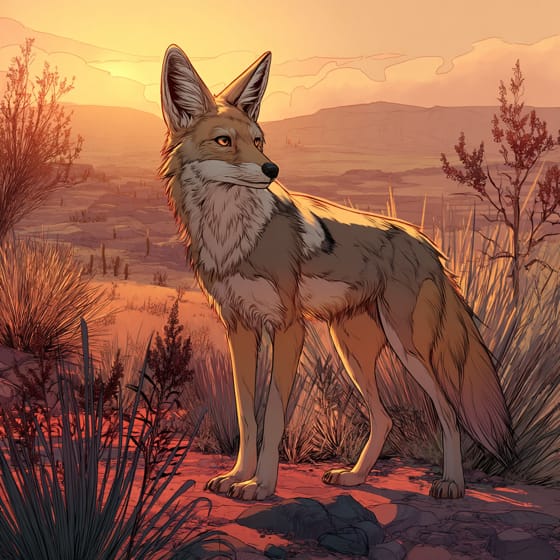
Canis latrans
Opportunistic predator, preying on snakes encountered.
Marcado con manchas o parches de un color diferente.
Los animales solitarios viven solos durante la mayor parte de su vida y solo interactúan con otros para aparearse o cuidar de sus crías.
El camuflaje describe a los organismos que poseen colores o patrones que les permiten mezclarse con su entorno.
Colorido describe a organismos u objetos que exhiben una amplia variedad de colores brillantes y distintivos.

Los hábitats de pastizales son biomas terrestres dominados por pastos y plantas herbáceas, que sustentan a una variedad de animales de pastoreo.

Los organismos termorreguladores mantienen una temperatura corporal interna estable a pesar de las fluctuaciones en el entorno exterior.

Un depredador de emboscada caza esperando pacientemente y ocultándose, para luego lanzar un ataque repentino cuando una presa desprevenida se pone a su alcance.

Este rasgo identifica a los organismos cuya dieta consiste total o principalmente en tejido animal.

Los animales diurnos están activos principalmente durante el día y suelen descansar o dormir por la noche.
Todavía no hay alias listados.
Peligro
2/5 · Bajo
If you see a snake, it's best to watch from a distance and not touch it.
90-150 cm
0.5-1.5 kg
10-15 años
2 km/h
This snake is a hunter that eats small animals it finds on the ground, helping to control rodent populations.
Grasslands
Ambush
5-20
Acércate para separar los grupos y explorar dónde se ha fotografiado este objeto.
Los snaps recientes aparecerán aquí a medida que se añadan nuevas observaciones.











.jpg&width=800)
