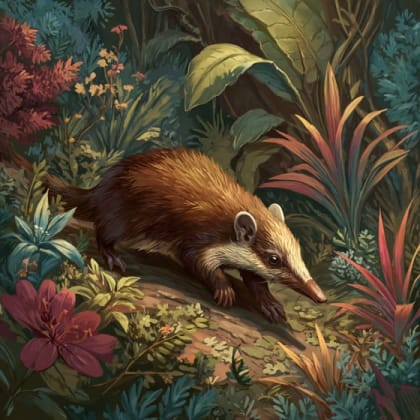
Western Gray Squirrel
Sciurus griseus
The Western Gray Squirrel is a fluffy little animal with a bushy tail. They love to climb trees and gather nuts to eat. You can often see them playing in parks and forests!
Hábitat: Forests
The Western Gray Squirrel has a strikingly bushy, long tail and a sleek coat of silver-gray fur on its back, contrasting sharply with its pure white belly. Its large, dark eyes complete its distinctive woodland appearance, making it easily recognizable.
Categoría
MamíferosRareza
Common
Peligro
1/5 · Muy bajo
Snaps
¡Sé la primera persona en hacer un snap!
Eyes on sides of head give them a wide view to spot predators.
Squirrels sometimes 'plant' new trees by forgetting where they buried nuts.
Their teeth never stop growing, so they gnaw constantly to keep them short!
They can rotate their ankles almost 180 degrees to run headfirst down trees!
Western Gray Squirrels can use their enormous bushy tail as both an umbrella and a sunshade, protecting them from the elements.
Western Gray Squirrels can remember hundreds of hidden food stashes using spatial memory, ensuring they have food even in winter.
Western Gray Squirrels can fake burying nuts to fool watching predators or other squirrels, protecting their real food stores.
Western Gray Squirrels possess incredible acrobatic skills to run along branches and jump between trees, allowing swift escapes.
These adaptable eaters enjoy a menu of nuts, seeds, fruits, and mushrooms found in their forest homes.
Buteo jamaicensis
A common aerial predator of squirrels.
Lynx rufus
These wild cats hunt squirrels on the forest floor.

Quercus agrifolia
Squirrels rely heavily on its acorns for food.
Pinus ponderosa
Its seeds are a crucial part of the squirrel's diet.
Peludo describe a los animales que poseen una cubierta densa de pelo o pelaje suave.
Los animales sociales viven en grupos organizados, cooperando para obtener beneficios de supervivencia como la búsqueda de alimento, la defensa y la cría de descendencia.
Los animales arborícolas viven principalmente en los árboles, utilizándolos como refugio, alimento y protección contra los depredadores.
Este rasgo caracteriza a los organismos cuya dieta consiste total o principalmente en material vegetal.

Los hábitats boscosos son entornos terrestres dominados por una densa cubierta arbórea, que sustentan una gran diversidad de vida animal y vegetal.

Los animales diurnos están activos principalmente durante el día y suelen descansar o dormir por la noche.

Este rasgo identifica a los organismos que exhiben una rapidez excepcional en sus movimientos para cazar, escapar o desplazarse.
Todavía no hay alias listados.
Peligro
1/5 · Muy bajo
It's best to watch squirrels from a distance so they feel safe and happy.
40-60 cm
0.5-1 kg
8-10 años
20 km/h
These adaptable eaters enjoy a menu of nuts, seeds, fruits, and mushrooms found in their forest homes.
Forests
Foraging
1-5
Acércate para separar los grupos y explorar dónde se ha fotografiado este objeto.
Los snaps recientes aparecerán aquí a medida que se añadan nuevas observaciones.
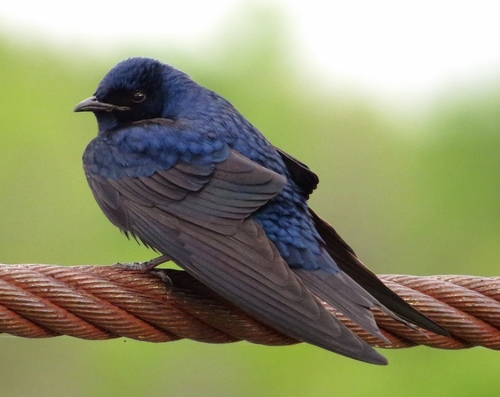
California, US
Puedes ver Purple Martin, Acorn Woodpecker y Junco Ojioscuro.
Ver guía →

California, US
Puedes ver California Wild Rose, California Wild Grape y Blue Elder.
Ver guía →

California, US
Puedes ver Valley Oak, Two-Horned Gall Wasp y árbol De La Seda.
Ver guía →
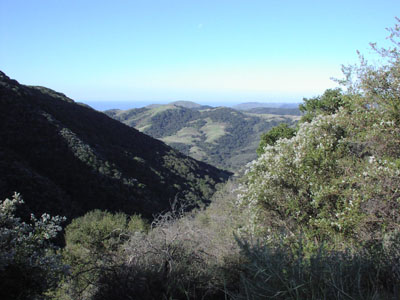
California, US
Puedes ver Lagartija Espinosa Del Oeste y Canyon Sunflower.
Ver guía →