
%2C_Point_Lobos%2C_CA%2C_US_-_May_2013.jpg&width=800)




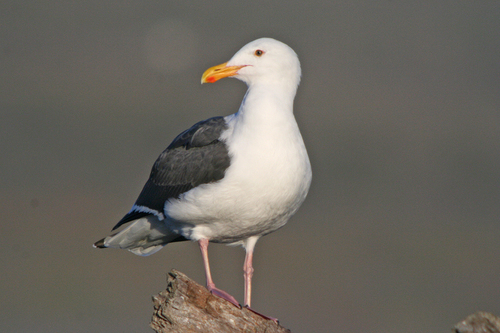
Western Gull
Larus occidentalis
The Western Gull is a big, gray-and-white bird often found near the ocean. They love to eat fish and can be seen flying over beaches and coastal areas.
Hábitat: Coastal areas
The Western Gull is a large, sturdy seabird with a crisp white head and body. It has a striking dark slate-gray back and wings, which helps distinguish it from lighter-backed gulls. Its strong yellow bill has a distinct red spot, and its legs are pink.
Categoría
AvesRareza
Common
Peligro
2/5 · Bajo
Snaps
¡Sé la primera persona en hacer un snap!
A baby Western Gull is called a 'chick' and is covered in fluffy down!
The red spot on their bill tells chicks where to peck for food!
They can sometimes live for over 25 years in the wild!
Western Gulls sometimes stomp their feet to trick worms into coming up!
Western Gulls can drop shellfish from high up because this helps them break open tough shells for a meal.
Western Gulls have excellent eyesight and a keen sense of smell that helps them locate food from far away.
Western Gulls have powerful wings that help them soar effortlessly on ocean breezes along the coast.
Western Gulls are clever omnivores, eating almost anything they can find, from fish to human snacks!
Uria aalge
Preys on eggs and chicks in nesting colonies.
Mytilus californianus
Drops them from heights to crack open their shells.
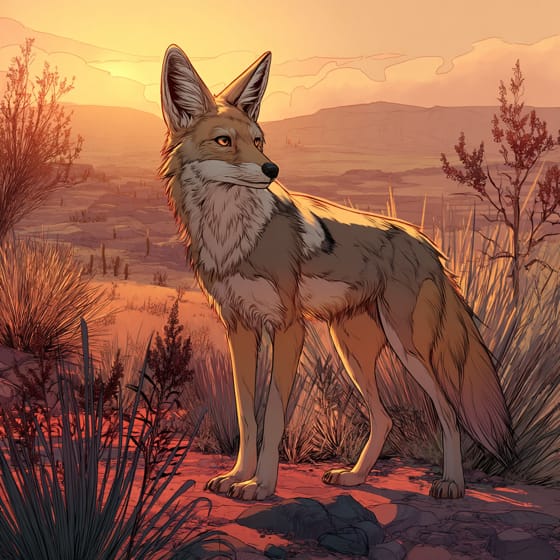
Canis latrans
Can prey on gull eggs, chicks, or injured adults.
Engraulis mordax
Forages for small schooling fish near the surface.
Describe a los animales, principalmente aves, que poseen una cubierta de plumas.
Se caracteriza por tener los dedos conectados por una membrana, lo que generalmente ayuda a nadar.
Los animales sociales viven en grupos organizados, cooperando para obtener beneficios de supervivencia como la búsqueda de alimento, la defensa y la cría de descendencia.
Los carroñeros consumen materia orgánica muerta, ayudando a descomponer los cadáveres y otros desechos en el ecosistema.

Colorido describe a organismos u objetos que exhiben una amplia variedad de colores brillantes y distintivos.

Este rasgo caracteriza a los organismos con una esperanza de vida excepcionalmente larga en comparación con otros de su especie.

Los hábitats costeros son entornos dinámicos situados a lo largo de la interfaz entre la tierra y el mar, influenciados por las mareas, las olas y el agua salada.

Este rasgo identifica a los organismos cuya dieta consiste total o principalmente en tejido animal.

Los animales diurnos están activos principalmente durante el día y suelen descansar o dormir por la noche.

Los animales migratorios emprenden movimientos estacionales de una región a otra, típicamente en respuesta a cambios en el clima o la disponibilidad de alimentos.
Todavía no hay alias listados.
Peligro
2/5 · Bajo
Don't feed gulls human food; it can make them sick!
56-66 cm
130-144 cm
0.8-1.4 kg
15-25 años
65 km/h
Western Gulls are clever omnivores, eating almost anything they can find, from fish to human snacks!
Coastal areas
Foraging
Acércate para separar los grupos y explorar dónde se ha fotografiado este objeto.
Los snaps recientes aparecerán aquí a medida que se añadan nuevas observaciones.
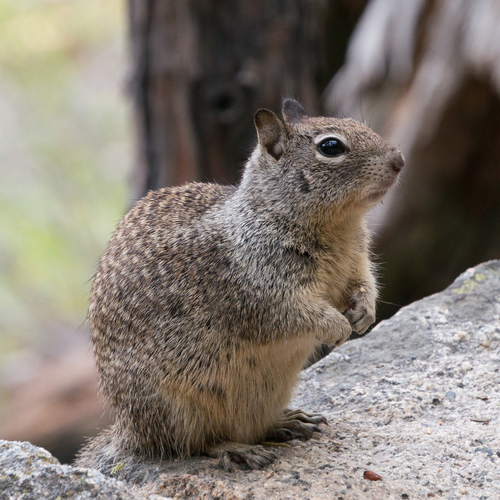
California, US
Puedes ver California Ground Squirrel y Coast Cholla.
Ver guía →
California, US
Puedes ver Western Gull, Snowy Egret y Black Skimmer.
Ver guía →

California, US
Puedes ver Ochre Sea Star, Giant Green Anemone y Sunburst Anemone.
Ver guía →











_couple_(32611106035).jpg&width=800)

