
.jpg&width=800)





western harebell
Campanula petiolata
The western harebell is a lovely blue flower that grows in fields and meadows. It has delicate, bell-shaped blooms that sway gently in the breeze, making it a pretty sight in nature.
Hábitat: Grasslands
The western harebell has delicate, bell-shaped flowers that are typically a vibrant purplish-blue. These nodding blooms dangle gracefully from very slender, wiry stems, making it appear lighter and more fragile than many other wildflowers, especially when growing on rocky outcrops.
Categoría
PlantasRareza
Common
Peligro
1/5 · Muy bajo
Snaps
¡Sé la primera persona en hacer un snap!
Indigenous peoples traditionally used parts of the harebell for its medicinal properties!
It can grow in very high mountain altitudes, even near the treeline, enduring harsh weather!
The 'bell' in its name comes from the distinct shape of its lovely flowers!
Though delicate, harebells are surprisingly tough, often thriving where other plants struggle!
The western harebell has a deep taproot that helps it survive by anchoring firmly in rocky soils and dry conditions.
Its bell-shaped flowers contain special nectar guides that help direct insects straight to its pollen, boosting reproduction.
Its lightweight seeds can be carried by the wind, allowing it to spread its offspring to new, distant locations.
Bombus vosnesenskii
Main pollinator, collecting nectar.
Odocoileus hemionus
Browses on leaves and flowers.
Danaus plexippus
Visits flowers for nectar.
Las plantas aromáticas producen y emiten compuestos orgánicos volátiles fragantes, a menudo como defensa o para atraer a los polinizadores.
Las flores en forma de campana poseen pétalos fusionados o dispuestos para formar una estructura acampanada o en forma de copa que se asemeja a una campana.
Las plantas con flores son cualquier planta que produce flores como parte de su ciclo reproductivo.
Las plantas de floración de verano producen sus flores durante la temporada estival, a menudo aportando un color vibrante cuando muchas otras plantas ya han terminado de florecer.

Las flores fragantes emiten un aroma agradable, a menudo para atraer polinizadores o como defensa.

Describe plantas que son particularmente atractivas y beneficiosas para una amplia variedad de organismos polinizadores.

Los hábitats de pastizales son biomas terrestres dominados por pastos y plantas herbáceas, que sustentan a una variedad de animales de pastoreo.
Todavía no hay alias listados.
Peligro
1/5 · Muy bajo
Always look but don't pick flowers. They are homes for insects and help nature!
10-40 cm
15-30 cm
1-2.5 cm
Summer-fall
Sí
Ninguna
Perenne
Insectos
Acércate para separar los grupos y explorar dónde se ha fotografiado este objeto.
Los snaps recientes aparecerán aquí a medida que se añadan nuevas observaciones.

Wyoming, US
Puedes ver Pino Contorta, Flowery Phlox y Alce.
Ver guía →
South Dakota, US
Puedes ver Borrego Cimarrón y Narrow-Leaved Purple Coneflower.
Ver guía →

Wyoming, US
Puedes ver Perrito De Las Praderas y Bur Oak.
Ver guía →
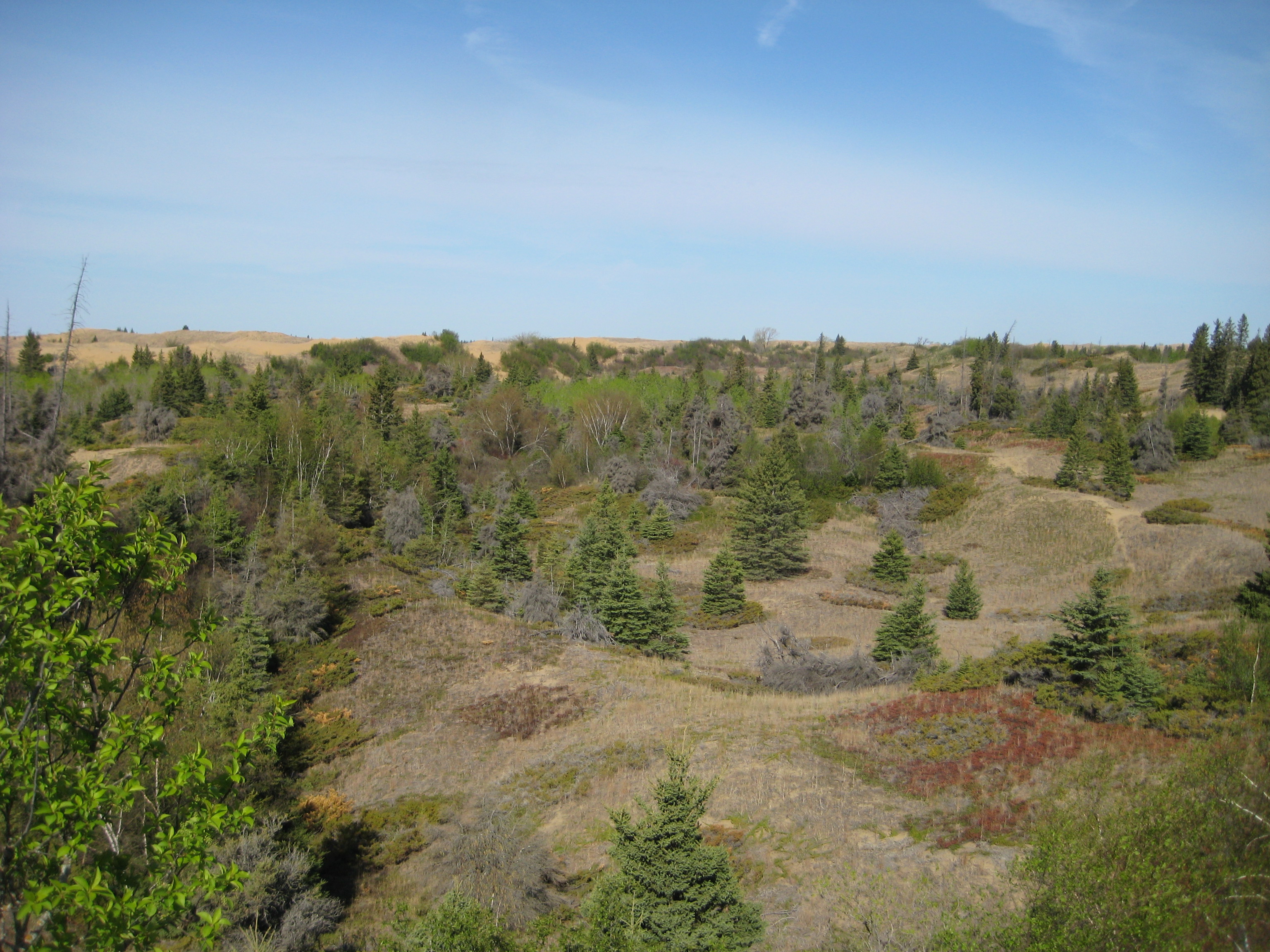
Manitoba, CA
Puedes ver Prairie Skink, Smooth Greensnake y Mariposa Almirante.
Ver guía →















