






western maidenhair fern
Adiantum aleuticum
The western maidenhair fern is a beautiful plant with delicate, fan-shaped leaves. It loves to grow in shady, moist places and adds a touch of green to forests and gardens.
Hábitat: Forests
The western maidenhair fern has delicate, fan-shaped fronds that grow on shiny, dark purplish-black stems. Its vibrant green leaflets are small and almost translucent, creating a soft, lacy appearance quite different from other robust ferns.
Categoría
PlantasRareza
Common
Peligro
1/5 · Muy bajo
Snaps
¡Sé la primera persona en hacer un snap!
Ferns reproduce using tiny dust-like spores instead of seeds from flowers!
Its shiny black stems look like fine hair, giving it the "maidenhair" name!
These amazing ferns have been growing on Earth since before the dinosaurs!
You can often find them clinging to damp cliffs and rocky stream banks!
western maidenhair fern has fronds that repel water, allowing it to stay dry and avoid fungal growth in its damp environments.
western maidenhair fern releases tiny spores from sori on its frond undersides, which helps it reproduce without needing flowers.
western maidenhair fern can spread through creeping underground rhizomes, allowing it to colonize new areas and form colonies.
Odocoileus hemionus
Occasionally browsed by deer as minor forage.
Sorex cinereus
Provides cover for small forest mammals in dense growth.
Dicranum scoparium
Often grows alongside mosses on damp surfaces.
Las plantas caducifolias pierden periódicamente todas sus hojas, por lo general durante el otoño o las estaciones secas.
Las plantas ornamentales se cultivan principalmente por su atractivo estético, embelleciendo paisajes y jardines con su atractivo follaje, flores o forma.
Las plantas tolerantes a la sombra están adaptadas para crecer y prosperar en áreas con bajos niveles de luz, requiriendo menos luz solar directa.
Las plantas de hoja perenne conservan su follaje durante todo el año, sin perder nunca todas sus hojas a la vez.

Los organismos que producen esporas se reproducen liberando unidades reproductivas pequeñas, a menudo unicelulares, llamadas esporas.

Los hábitats boscosos son entornos terrestres dominados por una densa cubierta arbórea, que sustentan una gran diversidad de vida animal y vegetal.

Este rasgo indica que los organismos pertenecen a un grupo evolutivo muy antiguo con antepasados que se remontan a millones de años.
Todavía no hay alias listados.
Peligro
1/5 · Muy bajo
Always be gentle when touching plants and ask an adult before picking any leaves.
30-60 cm
30-50 cm
No
Ninguna
Perenne
Forests
Acércate para separar los grupos y explorar dónde se ha fotografiado este objeto.
Los snaps recientes aparecerán aquí a medida que se añadan nuevas observaciones.

British Columbia, CA
Puedes ver Herb Robert, Western Redcedar y Thimbleberry.
Ver guía →
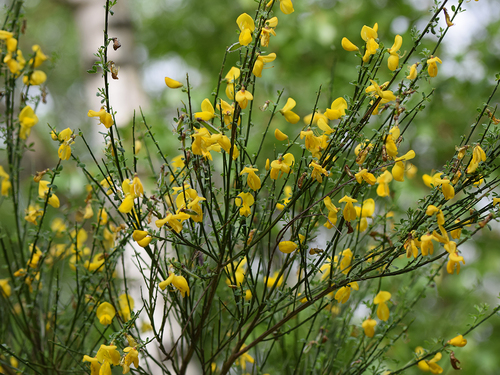
British Columbia, CA
Puedes ver Scotch Broom, Pacific Trillium y Fringe Cups.
Ver guía →
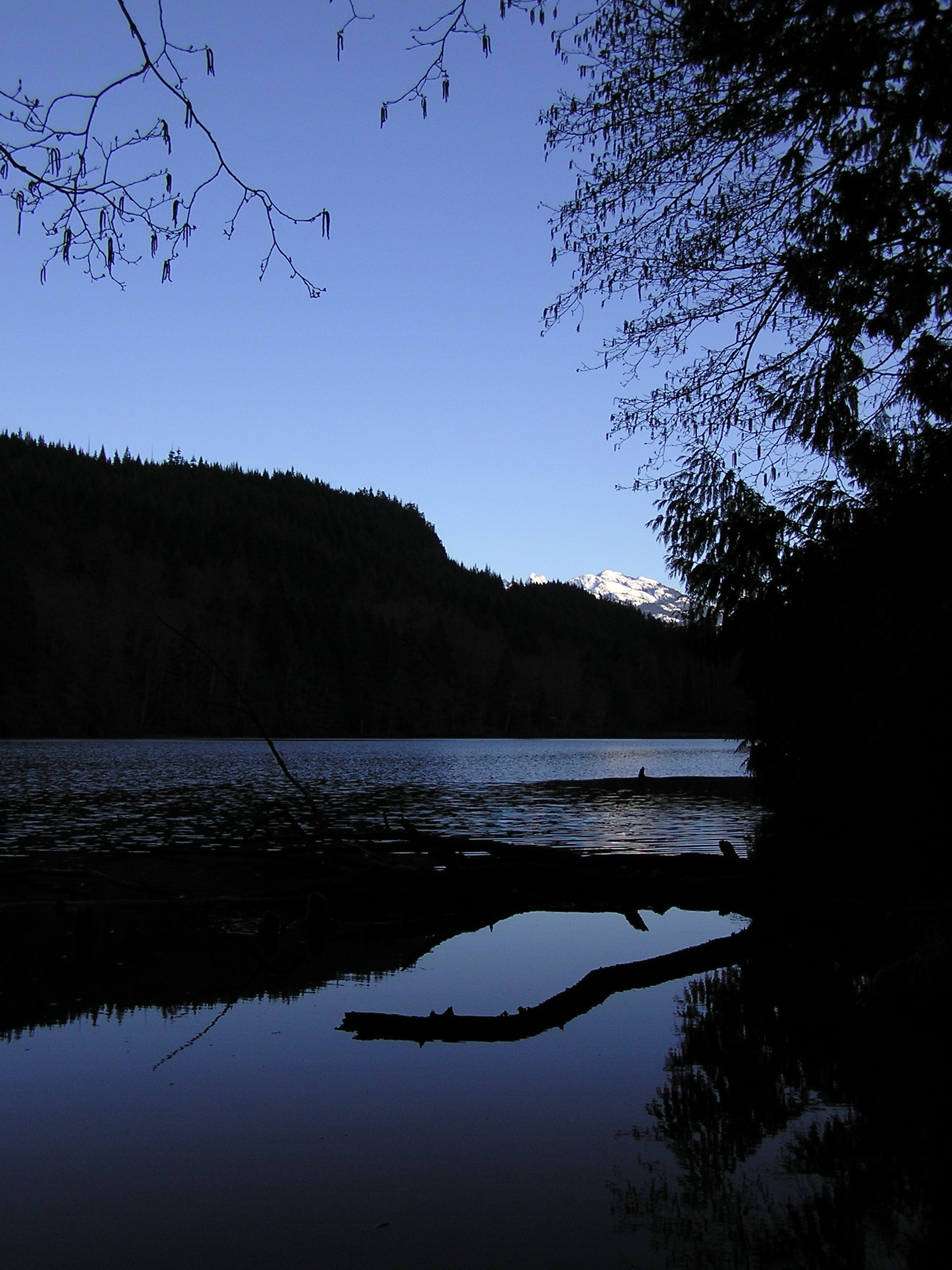
British Columbia, CA
Puedes ver Western Toad, Ghost Pipe y Pacific Coralroot.
Ver guía →

British Columbia, CA
Puedes ver Babosa Banana, Arctic Butterbur y Coastal Brookfoam.
Ver guía →
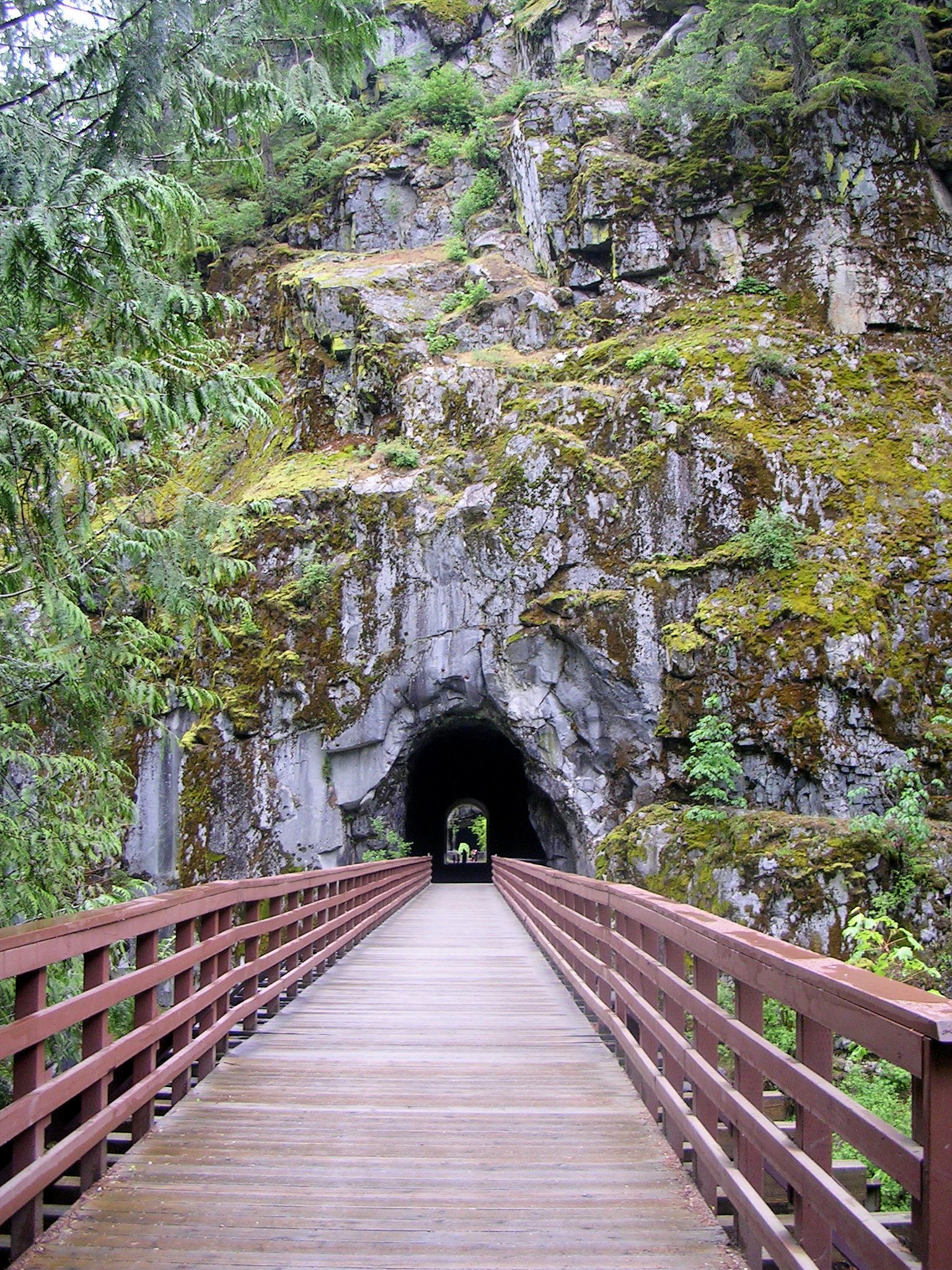
British Columbia, CA
Puedes ver Western Sword Fern, Vine Maple y Thimbleberry.
Ver guía →

Washington, US
Puedes ver Evergreen Huckleberry, Barrow's Goldeneye y Yellow Shore Crab.
Ver guía →

















_(6946051637).jpg&width=800)

