.jpg&width=800)





Western Marsh Harrier
Circus aeruginosus
The Western Marsh Harrier is a beautiful bird of prey that loves to soar over wetlands. With its long wings and tail, it glides gracefully while searching for food like small animals and fish.
Hábitat: Wetlands
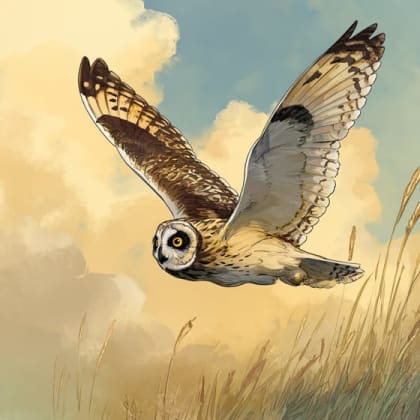
The Western Marsh Harrier is a large, slender raptor with long wings. Males have a striking rufous-brown body with grey flight feathers and black wingtips. Females are darker brown with creamy-pale heads and forewings, often featuring a distinct dark eye-mask.
Categoría
AvesRareza
Common
Peligro
1/5 · Muy bajo
Snaps
¡Sé la primera persona en hacer un snap!
Marsh Harriers were once very rare but have made an incredible comeback!
These smart birds sometimes 'cache' or hide extra food to eat later!
They often build their nests on the ground, cleverly hidden deep in tall reeds!
Unlike many raptors, males and females look quite different, making them unique!
Western Marsh Harriers can fly low and silently over reeds because their light body and broad wings allow for buoyant, stealthy hunting.
Western Marsh Harriers have keen eyesight that helps them spot hidden prey, like frogs and voles, even in dense marsh vegetation.
Western Marsh Harriers can swiftly snatch prey from water or dense reeds because of their long legs and agile flight.
These fierce hunters eat small mammals, birds, frogs, fish, and insects found in their wetland homes.
Microtus arvalis
A key prey item in many habitats.
Anas platyrhynchos
Often preys on ducklings and juveniles.

Phragmites australis
Provides crucial nesting habitat.
Rana temporaria
A common amphibian part of their diet.
Describe a los animales, principalmente aves, que poseen una cubierta de plumas.
Los animales solitarios viven solos durante la mayor parte de su vida y solo interactúan con otros para aparearse o cuidar de sus crías.
Los animales planeadores se mueven por el aire lanzándose y manteniendo el vuelo con estructuras corporales especializadas, sin batir las alas.
Un depredador de emboscada caza esperando pacientemente y ocultándose, para luego lanzar un ataque repentino cuando una presa desprevenida se pone a su alcance.

Este rasgo de hábitat identifica especies que se encuentran en humedales, que son áreas de tierra saturadas de agua, ya sea permanente o estacionalmente, e incluyen marismas, pantanos y ciénagas.

Este rasgo identifica a los organismos cuya dieta consiste total o principalmente en tejido animal.

Los animales diurnos están activos principalmente durante el día y suelen descansar o dormir por la noche.

Los animales migratorios emprenden movimientos estacionales de una región a otra, típicamente en respuesta a cambios en el clima o la disponibilidad de alimentos.

El estado de peligro de extinción indica que una especie corre un riesgo muy alto de extinguirse en estado silvestre en un futuro próximo.
Todavía no hay alias listados.
Peligro
1/5 · Muy bajo
Always watch birds from a distance and don't disturb their nests.
48-62 cm
115-140 cm
0.4-0.8 kg
8-20 años
60 km/h
These fierce hunters eat small mammals, birds, frogs, fish, and insects found in their wetland homes.
Wetlands
Pursuit
Acércate para separar los grupos y explorar dónde se ha fotografiado este objeto.
Los snaps recientes aparecerán aquí a medida que se añadan nuevas observaciones.







.jpg&width=800)