Western Moles
Scapanus
Western moles are small, furry animals that dig tunnels underground. They have big front paws that help them move quickly through the soil, making them great at finding food like worms and insects.
Hábitat: Grasslands
The Western Mole has a stocky, cylindrical body covered in soft, velvety dark gray to brownish-black fur. It possesses large, paddle-like front feet with strong claws, perfectly adapted for digging. Its eyes are tiny and almost hidden, with no visible external ears, and a short, thick, nearly naked tail.
Categoría
MamíferosRareza
Common
Peligro
1/5 · Muy bajo
Snaps
¡Sé la primera persona en hacer un snap!
A Western Mole can tunnel up to 5 meters (16 feet) in one hour!
Moles are excellent swimmers and can cross small streams.
Their fur is so fine it doesn't get dirty even when covered in mud.
They create intricate tunnel networks that can stretch for acres.
Western Moles have huge, spade-like forepaws because of powerful muscles that help them dig tunnels faster than you can imagine.
Western Moles has unique fur that can lay flat in any direction, allowing them to move forward or backward through tight tunnels without getting stuck.
Western Moles can 'see' with their nose using special Eimer's organs that help them detect tiny vibrations and food underground.
Western Moles has special blood adaptations that help them breathe easily in low-oxygen tunnels deep underground.
Western Moles are amazing underground hunters, mainly eating earthworms and other creepy crawlies.
Lumbricus terrestris
Main food source found by tunneling
Buteo jamaicensis
Hunts moles when they surface
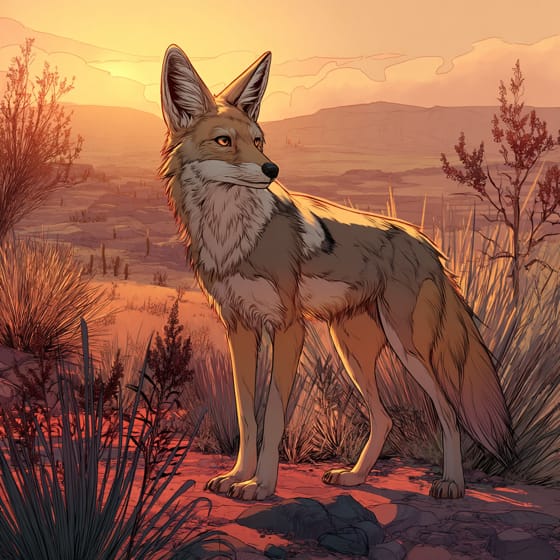
Canis latrans
Digs up moles from their tunnels

Mustela frenata
Can enter mole tunnels to hunt
Peludo describe a los animales que poseen una cubierta densa de pelo o pelaje suave.
Los animales solitarios viven solos durante la mayor parte de su vida y solo interactúan con otros para aparearse o cuidar de sus crías.
Los animales excavadores cavan túneles y cámaras en el suelo y utilizan estas estructuras subterráneas para refugiarse, cazar o reproducirse.
Este rasgo identifica a los organismos cuya dieta consiste principalmente en insectos y otros pequeños invertebrados.

Los hábitats de pastizales son biomas terrestres dominados por pastos y plantas herbáceas, que sustentan a una variedad de animales de pastoreo.

Este rasgo identifica a los organismos que exhiben una rapidez excepcional en sus movimientos para cazar, escapar o desplazarse.

Los animales nocturnos están principalmente activos durante la noche, y suelen descansar o dormir durante el día.
Todavía no hay alias listados.
Peligro
1/5 · Muy bajo
Moles are shy and prefer to stay underground, so it's best to leave them alone.
12-22 cm
0.05-0.25 kg
3-6 años
2 km/h
Western Moles are amazing underground hunters, mainly eating earthworms and other creepy crawlies.
Grasslands
Foraging
2-5
Acércate para separar los grupos y explorar dónde se ha fotografiado este objeto.
Los snaps recientes aparecerán aquí a medida que se añadan nuevas observaciones.