western poison ivy
Toxicodendron rydbergii
Western poison ivy is a plant that can grow as a vine or a small shrub. It has shiny green leaves that can turn red in the fall. Be careful, as touching it can make your skin itchy!
Hábitat: Forests
The western poison ivy typically grows as a low shrub or groundcover, but can also be a climbing vine. It has shiny green leaves arranged in sets of three leaflets, which turn brilliant red or orange in fall. Small, whitish berries are produced in clusters.
Categoría
PlantasRareza
Common
Peligro
4/5 · Alto
Snaps
¡Sé la primera persona en hacer un snap!
Burning poison ivy can send its oily smoke into your lungs, causing internal rashes!
The rash from poison ivy isn't contagious, it's an allergic reaction to the oil!
The sticky oil can stay active on tools, clothes, and pets for many years!
This plant is surprisingly related to tasty cashews and sweet mangoes!
Western poison ivy has a special oil called urushiol that helps it defend against animals that might try to eat its leaves.
Western poison ivy can grow as a low plant, a shrub, or a climbing vine, helping it survive in many places.
Western poison ivy produces white berries that birds safely eat, helping spread its seeds far and wide.
Odocoileus hemionus
Safely browses its leaves.
Turdus migratorius
Eats its white berries.
Apis mellifera
Collects nectar from its flowers.
Las plantas caducifolias pierden periódicamente todas sus hojas, por lo general durante el otoño o las estaciones secas.
Un arbusto es una planta leñosa más pequeña que un árbol, típicamente con múltiples tallos que se ramifican desde o cerca del suelo.
Los colores otoñales se refieren al cambio estacional en la pigmentación del follaje, principalmente en plantas de hoja caduca, mostrando tonos vibrantes.
Los hábitats boscosos son entornos terrestres dominados por una densa cubierta arbórea, que sustentan una gran diversidad de vida animal y vegetal.

Los organismos tóxicos contienen sustancias que son venenosas y pueden causar efectos adversos al estar expuestos a ellas.

Los organismos venenosos producen toxinas que pueden causar daño si se ingieren, inhalan o absorben por contacto.
Peligro
4/5 · Alto
Do not touch poison ivy, as it can make your skin itchy and uncomfortable.
20-100 cm
50-300 cm
0.2-0.5 cm
Late spring to early summer
No
Alta
Perenne
Insectos
Acércate para separar los grupos y explorar dónde se ha fotografiado este objeto.
Los snaps recientes aparecerán aquí a medida que se añadan nuevas observaciones.
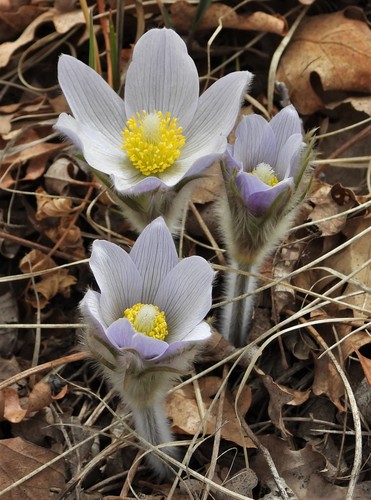
South Dakota, US
Puedes ver Prairie Pasqueflower, Common Buckthorn y Tatarian Honeysuckle.
Ver guía →
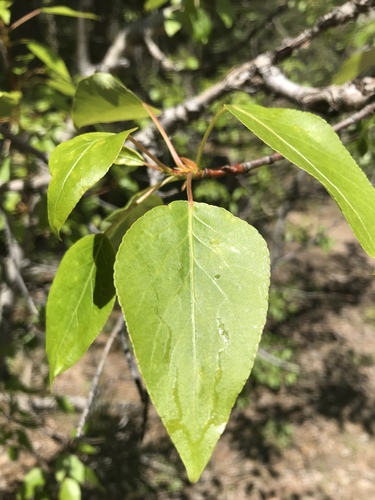
British Columbia, CA
Puedes ver Black Cottonwood, Oregon Grape y Showy Milkweed.
Ver guía →

British Columbia, CA
Puedes ver Oregon Grape, Common Snowberry y Black Locust.
Ver guía →
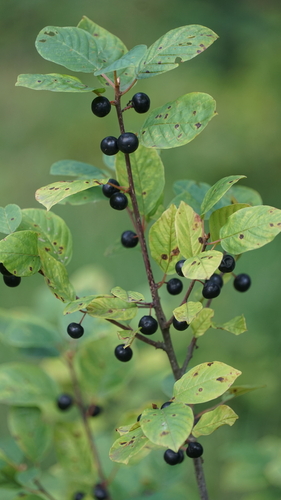
Michigan, US
Puedes ver Alder Buckthorn, Bulblet Fern y Western Poison Ivy.
Ver guía →

British Columbia, CA
Puedes ver Brown Elfin, Bearberry y Black Cottonwood.
Ver guía →