Western Ratsnake
Pantherophis obsoletus
The Western Ratsnake is a long, slender snake that can be black, gray, or brown. They are great climbers and often found in trees, making them fun to watch as they explore their surroundings!
Hábitat: Forests
The Western Ratsnake is a large, non-venomous snake with highly variable coloring, often dark brown or black in adults, sometimes with faint blotches. Young snakes are typically gray with darker blotches and stripes. Its body is slender and muscular.
Categoría
ReptilesRareza
Common
Peligro
1/5 · Muy bajo
Snaps
¡Sé la primera persona en hacer un snap!
These amazing climbers can scale rough brick walls!
They sometimes freeze, kinking their body to perfectly mimic a broken branch!
Western Ratsnakes sometimes raid bird nests high in trees for eggs!
Young Western Ratsnakes look strikingly different with blotchy patterns!
Western Ratsnake can squeeze its prey because of its powerful muscles that helps them capture and subdue meals.
Western Ratsnake can climb high into trees and buildings because of its strong scales that helps them find nests or escape danger.
Western Ratsnake can vibrate its tail rapidly because of its specialized muscles that helps them sound like a venomous rattlesnake to scare threats.
Western Ratsnake has glands that produce a foul-smelling musk that helps them deter predators when they feel threatened.
This snake is a carnivore that primarily eats small mammals and birds, helping to control pest populations!
Diferencias por edad: Young snakes often eat more lizards and frogs before moving on to larger prey.
Peromyscus maniculatus
A common meal, especially for younger ratsnakes.
Microtus pennsylvanicus
A frequent target in grassy habitats.
Buteo jamaicensis
A common aerial predator of snakes.
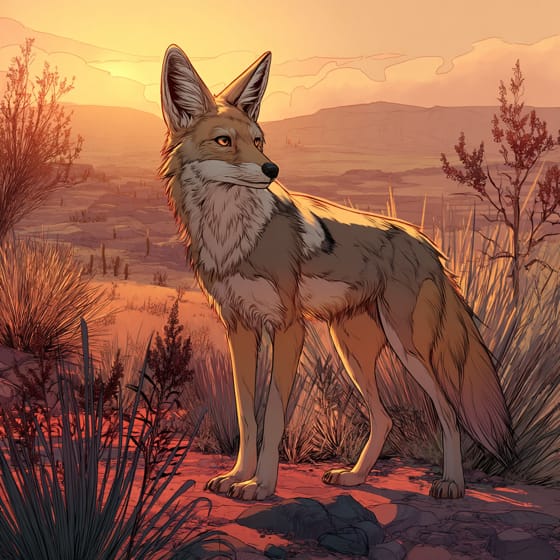
Canis latrans
Opportunistically preys on snakes it encounters.
Los animales solitarios viven solos durante la mayor parte de su vida y solo interactúan con otros para aparearse o cuidar de sus crías.
Los animales arborícolas viven principalmente en los árboles, utilizándolos como refugio, alimento y protección contra los depredadores.
Los hábitats boscosos son entornos terrestres dominados por una densa cubierta arbórea, que sustentan una gran diversidad de vida animal y vegetal.
Este rasgo identifica a los organismos cuya dieta consiste total o principalmente en tejido animal.

Los animales diurnos están activos principalmente durante el día y suelen descansar o dormir por la noche.
Todavía no hay alias listados.
Peligro
1/5 · Muy bajo
If you see a snake, it's best to watch from a distance and not touch it.
107-256 cm
0.5-2.5 kg
10-25 años
3 km/h
This snake is a carnivore that primarily eats small mammals and birds, helping to control pest populations!
Forests
Ambush
5-20
Acércate para separar los grupos y explorar dónde se ha fotografiado este objeto.
Los snaps recientes aparecerán aquí a medida que se añadan nuevas observaciones.




%2C_Abwehrhaltung.jpg&width=800)