Western Sandpiper
Calidris mauri
The Western Sandpiper is a small, quick bird that loves to run along the beach looking for tiny bugs and worms to eat. They have long legs and a pointed beak that helps them dig in the sand.
Hábitat: Coastal areas
The Western Sandpiper is a small shorebird with dark legs and a short, slightly drooping black bill. In breeding season, it has reddish-brown patches on its back and streaky brown markings on its breast. In winter, it appears much plainer and grayer above with a white belly.
Categoría
AvesRareza
Common
Peligro
1/5 · Muy bajo
Snaps
¡Sé la primera persona en hacer un snap!
Their tiny chicks can leave the nest and find food just hours after hatching!
Their toes are slightly webbed, which helps them walk on soft mud!
They often forage with a distinctive 'sewing machine' head-bobbing motion!
Western Sandpipers make a high-pitched 'kreep' sound, like a squeaky toy!
Western Sandpiper can find hidden worms and crustaceans by feeling them with nerve endings in its bill, even without seeing them.
Western Sandpiper can drink salty water because specialized glands remove excess salt from its blood, helping it survive harsh coastal environments.
Western Sandpiper has incredible synchronized flight, helping large flocks confuse predators and efficiently find food.
Western Sandpipers feast on tiny worms and crustaceans found in mud and sand along the shore.
Falco peregrinus
A swift hunter, preying on migrating sandpipers along the coast.
Corophium volutator
Feeds on these small crustaceans hidden in the soft intertidal mud.

Zostera marina
Eelgrass beds provide shelter and food for the small invertebrates it eats.
Larus argentatus
These opportunistic gulls may snatch sandpipers, especially injured ones.
Describe a los animales, principalmente aves, que poseen una cubierta de plumas.
Los animales sociales viven en grupos organizados, cooperando para obtener beneficios de supervivencia como la búsqueda de alimento, la defensa y la cría de descendencia.
El camuflaje describe a los organismos que poseen colores o patrones que les permiten mezclarse con su entorno.
Este rasgo identifica a los organismos cuya dieta consiste principalmente en insectos y otros pequeños invertebrados.

Los hábitats costeros son entornos dinámicos situados a lo largo de la interfaz entre la tierra y el mar, influenciados por las mareas, las olas y el agua salada.

Este rasgo identifica a los organismos que exhiben una rapidez excepcional en sus movimientos para cazar, escapar o desplazarse.

Los animales migratorios emprenden movimientos estacionales de una región a otra, típicamente en respuesta a cambios en el clima o la disponibilidad de alimentos.
Todavía no hay alias listados.
Peligro
1/5 · Muy bajo
Always watch birds from a distance and don't try to catch them.
13-17 cm
35-37 cm
0.02-0.035 kg
10-12 años
65 km/h
Western Sandpipers feast on tiny worms and crustaceans found in mud and sand along the shore.
Coastal areas
Foraging
Acércate para separar los grupos y explorar dónde se ha fotografiado este objeto.
Los snaps recientes aparecerán aquí a medida que se añadan nuevas observaciones.

British Columbia, CA
Puedes ver Greater Yellowlegs, Glaucous-Winged Gull y Haya Europea.
Ver guía →
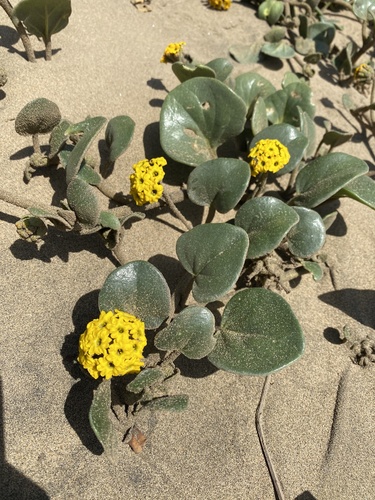
British Columbia, CA
Puedes ver Yellow Sand Verbena, Barestem Biscuitroot y Field Sagewort.
Ver guía →