



western stoneseed
Lithospermum ruderale
The western stoneseed is a special plant with bright yellow flowers. It grows in sunny places and has seeds that can be used to make a natural dye!
Hábitat: Grasslands
The western stoneseed has hairy stems and narrow, fuzzy leaves. It produces clusters of small, trumpet-shaped flowers that range from greenish-yellow to bright yellow. Its seeds are hard, smooth, and gray-brown, resembling tiny pebbles.
Categoría
PlantasRareza
Common
Peligro
1/5 · Muy bajo
Snaps
¡Sé la primera persona en hacer un snap!
Its super smooth seeds feel like tiny, polished stones, giving the plant its name!
Native Americans once used parts of this tough plant for traditional medicines.
Some people call it "lemonweed" because its crushed leaves have a slightly citrusy scent!
The western stoneseed's little flowers actually change color as they mature!
Western stoneseed has extremely hard, stony seeds that can survive dry spells, waiting years for perfect conditions to sprout!
Western stoneseed has fuzzy leaves that help trap moisture and reduce water loss, essential for its dry habitats.
Western stoneseed can grow a long taproot, reaching deep into the soil to find water during droughts.
Apis mellifera
its small yellow flowers attract these busy insects
Bombus vosnesenskii
a native bumblebee species visits its blooms
Odocoileus hemionus
mule deer browse on its leaves and stems
Las plantas con flores son cualquier planta que produce flores como parte de su ciclo reproductivo.
Este rasgo de uso humano indica especies de las cuales se pueden extraer tintes naturales para colorear textiles, alimentos u otros materiales.
Las plantas tolerantes a la sequía pueden sobrevivir y florecer en condiciones de escasa disponibilidad de agua.
Describe plantas que son particularmente atractivas y beneficiosas para una amplia variedad de organismos polinizadores.

Los hábitats de pastizales son biomas terrestres dominados por pastos y plantas herbáceas, que sustentan a una variedad de animales de pastoreo.

Describe organismos que transfieren polen, permitiendo la fertilización y reproducción de las plantas.
Todavía no hay alias listados.
Peligro
1/5 · Muy bajo
Always look but don't touch plants unless you know they are safe.
10-60 cm
15-30 cm
0.5-1 cm
Spring-early summer
No
Leve
Perenne
Insectos
Acércate para separar los grupos y explorar dónde se ha fotografiado este objeto.
Los snaps recientes aparecerán aquí a medida que se añadan nuevas observaciones.

British Columbia, CA
Puedes ver Yellow-Bellied Marmot, Rubber Rabbitbrush y Siberian Elm.
Ver guía →
British Columbia, CA
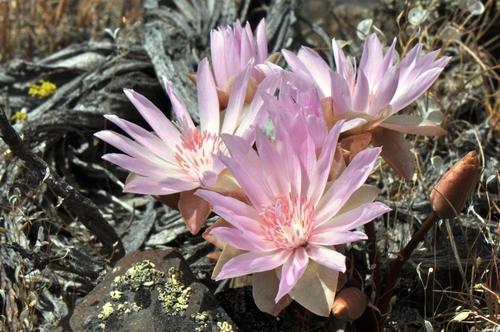
Puedes ver Bitterroot, Arrowleaf Balsamroot y Western Stoneseed.
Ver guía →
British Columbia, CA
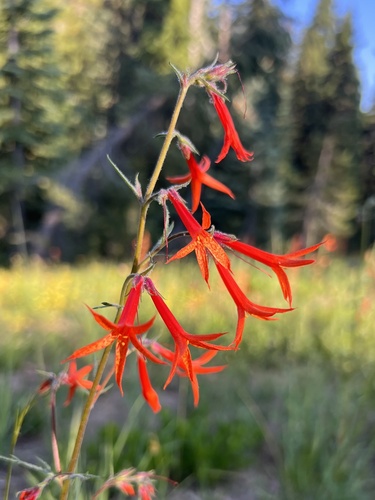
Puedes ver Scarlet Gilia, Great Blanketflower y Solomon's Plume.
Ver guía →
British Columbia, CA
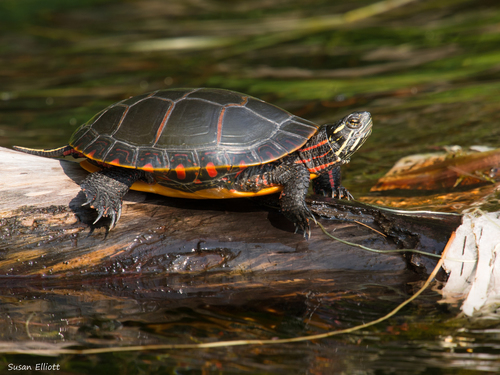
Puedes ver Tortuga Pintada, Antelope Bitterbrush y Western Tiger Beetle.
Ver guía →












_9530.JPG&width=800)