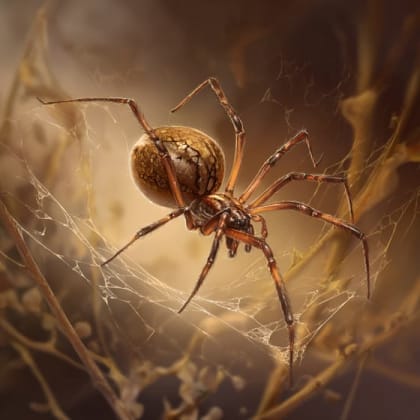
Western Thatching Ant
Formica obscuripes
The Western Thatching Ant is a busy little insect that builds cozy nests from grass and leaves. They work together as a team to gather food and take care of their home.
Hábitat: Grasslands
The Western Thatching Ant is a medium-sized ant, typically dark reddish-brown to black, with a noticeably darker head and abdomen contrasting with a lighter reddish thorax. It has a slightly hairy body and legs. This species is visually distinguished by its often-large, dome-shaped nest mounds made of plant material.
Categoría
InsectosRareza
Common
Peligro
2/5 · Bajo
Snaps
¡Sé la primera persona en hacer un snap!
Wow! Queen ants can live for over 15 years, starting giant new families!
Wow! Their huge nest mounds can sometimes grow taller than a child!
Wow! These ants communicate using invisible scent trails to find food and friends!
Wow! They can move their whole colony to a new home if their nest is damaged!
Western Thatching Ant can build impressive dome-shaped nests from plant material that helps insulate their colony from extreme temperatures.
Western Thatching Ant can spray formic acid from its abdomen that helps them deter predators and paralyze prey.
Western Thatching Ant can farm aphids for their sugary honeydew, which provides essential energy for the colony.
Western Thatching Ant has a strong social organization that helps them rapidly mobilize workers to defend their nest.
Western Thatching Ants eat sugary plant sap, insects, and other small creatures they find.
Aphis gossypii
Tends aphids for sugary honeydew, providing protection.
Ursus americanus
Bears sometimes dig up nests to eat ant larvae and adults.
Phrynosoma douglasii
Lizards prey on worker ants they encounter foraging.
Los animales sociales viven en grupos organizados, cooperando para obtener beneficios de supervivencia como la búsqueda de alimento, la defensa y la cría de descendencia.
Este rasgo identifica organismos cuya dieta incluye tanto materia vegetal como animal.
Los hábitats de pastizales son biomas terrestres dominados por pastos y plantas herbáceas, que sustentan a una variedad de animales de pastoreo.
Describe a los organismos que descomponen la materia orgánica muerta, reciclando los nutrientes de vuelta al ecosistema.

Los animales diurnos están activos principalmente durante el día y suelen descansar o dormir por la noche.

Describe una especie cuya presencia y papel tienen un efecto desproporcionadamente grande en su entorno.

Relativo a especies que son significativamente más pequeñas que lo típico o promedio de su tipo.

Describe organismos que transfieren polen, permitiendo la fertilización y reproducción de las plantas.
Todavía no hay alias listados.
Peligro
2/5 · Bajo
Be careful not to disturb their nests, as they might bite if they feel threatened.
12-18 mm
4-8 mm
200-730 días
Western Thatching Ants eat sugary plant sap, insects, and other small creatures they find.
Grasslands
Foraging
6
10000-50000
Acércate para separar los grupos y explorar dónde se ha fotografiado este objeto.
Los snaps recientes aparecerán aquí a medida que se añadan nuevas observaciones.
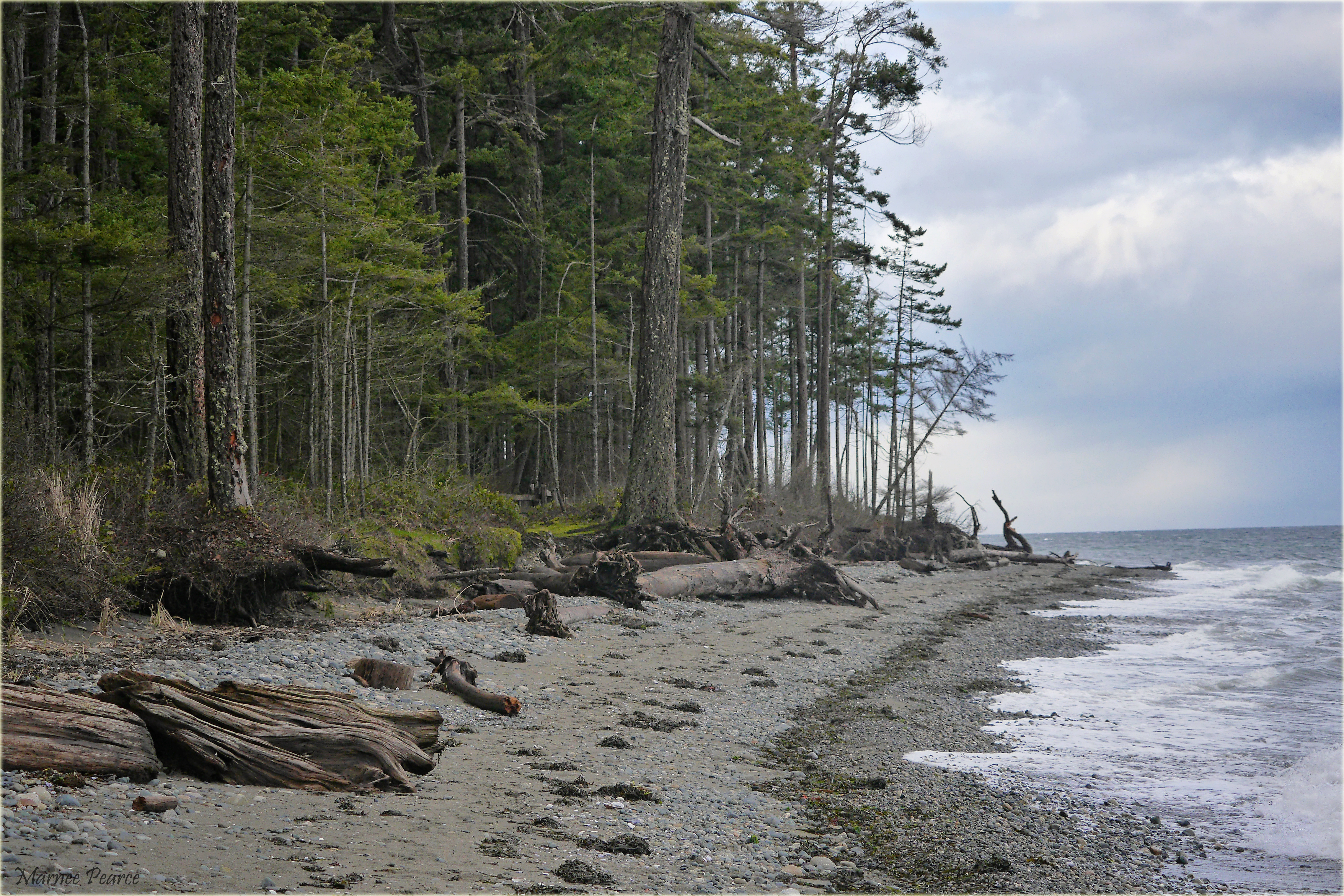
British Columbia, CA
Puedes ver Conejo Europeo, Yellow Shore Crab y Nootka Rose.
Ver guía →

British Columbia, CA
Puedes ver Pacific Sanicle, Ivy y Pacific Madrone.
Ver guía →
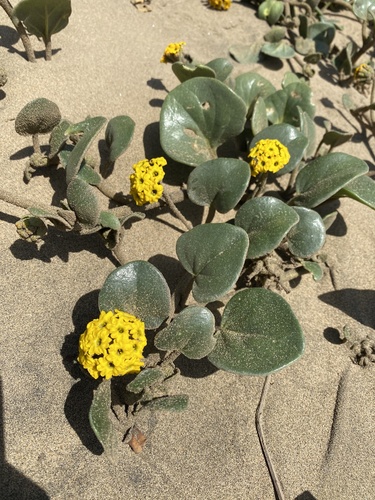
British Columbia, CA
Puedes ver Yellow Sand Verbena, Barestem Biscuitroot y Field Sagewort.
Ver guía →
.jpg)
British Columbia, CA
Puedes ver Oregon Grape, Heartleaf Arnica y Solomon's Plume.
Ver guía →