






Western Tiger Beetle
Cicindela oregona
The Western Tiger Beetle is a shiny, fast bug with beautiful green and blue colors. They love to run around in sunny places and are great at catching their food!
Hábitat: Sandy areas
The Western Tiger Beetle is a slender insect with a metallic body that gleams green, bronze, or coppery. It often has distinctive cream or yellow markings on its wing covers. Its large, bulging eyes and prominent, sickle-shaped mandibles set it apart.
Categoría
InsectosRareza
Common
Peligro
1/5 · Muy bajo
Snaps
¡Sé la primera persona en hacer un snap!
Its larvae are fierce ambush predators, digging burrows to surprise passing prey.
They are part of a group with over 2,600 species, found nearly worldwide!
This beetle sometimes pauses while running because its brain can't keep up with its leg speed!
Tiger beetles are considered bioindicators, meaning their presence can show a habitat's health.
Western Tiger Beetle can run incredibly fast, reaching up to 9 km/h, because of powerful legs that help them chase down quick prey.
Western Tiger Beetle has large, bulging compound eyes that help them spot tiny moving insects from a distance.
Western Tiger Beetle has strong, sharp mandibles that help them quickly capture and crush their insect prey.
These speedy hunters are insectivores, mostly eating small bugs they catch with their powerful jaws.
Diferencias por edad: Larvae are ambush predators from burrows; adults are free-ranging pursuit hunters.
Drosophila melanogaster
Adult beetles actively pursue.
Formica fusca
Common prey item for adults.
Sceloporus occidentalis
A common predator in its range.
Turdus migratorius
Birds can snatch these beetles.
Colorido describe a organismos u objetos que exhiben una amplia variedad de colores brillantes y distintivos.
Este rasgo identifica a los organismos cuya dieta consiste principalmente en insectos y otros pequeños invertebrados.
Este rasgo identifica a los organismos cuya dieta consiste total o principalmente en tejido animal.
Los animales diurnos están activos principalmente durante el día y suelen descansar o dormir por la noche.

Este rasgo identifica a los organismos que exhiben una rapidez excepcional en sus movimientos para cazar, escapar o desplazarse.
Todavía no hay alias listados.
Peligro
1/5 · Muy bajo
Be careful not to touch insects, as they can be delicate.
25-32 mm
12-16 mm
60-120 días
20 km/h
These speedy hunters are insectivores, mostly eating small bugs they catch with their powerful jaws.
Sandy areas
Pursuit
6
Acércate para separar los grupos y explorar dónde se ha fotografiado este objeto.
Los snaps recientes aparecerán aquí a medida que se añadan nuevas observaciones.
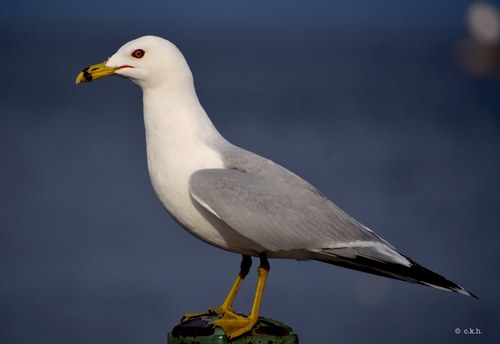
Washington, US
Puedes ver Gaviota De Delaware y Barnacla Canadiense.
Ver guía →
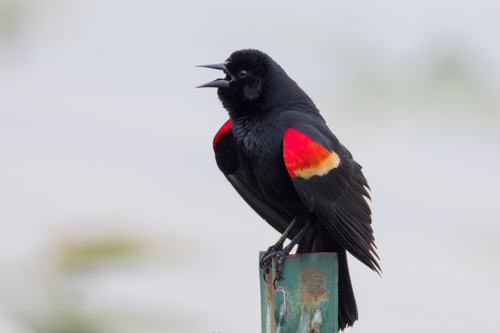
British Columbia, CA
Puedes ver Tordo Sargento, Golondrina Bicolor y Garza Azulada.
Ver guía →
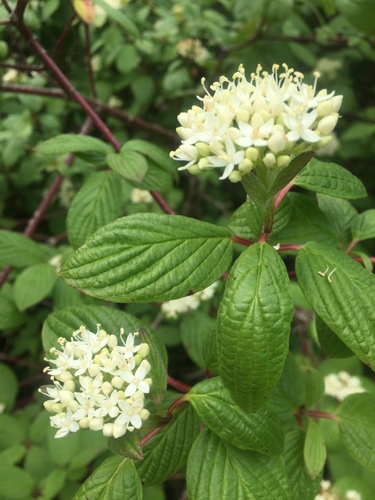
British Columbia, CA
Puedes ver Red Osier Dogwood, Pino Contorta y Common Juniper.
Ver guía →
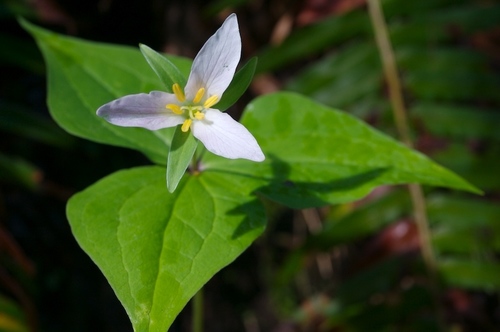
British Columbia, CA
Puedes ver Pacific Trillium, Vanilla Leaf y Japanese Knotweed.
Ver guía →
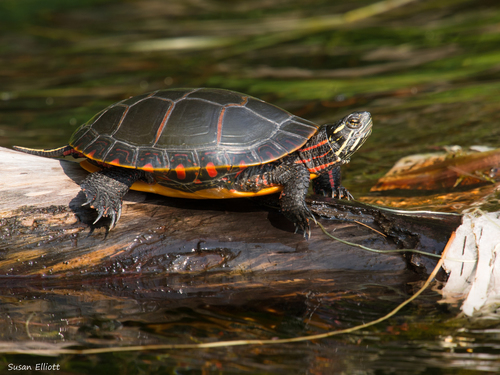
British Columbia, CA
Puedes ver Tortuga Pintada, Antelope Bitterbrush y Western Tiger Beetle.
Ver guía →

British Columbia, CA
Puedes ver Brown Elfin, Bearberry y Black Cottonwood.
Ver guía →














