






Western Wood-Pewee
Contopus sordidulus
The Western Wood-Pewee is a small, friendly bird that loves to sing in the trees. It has a soft, grayish-brown body and a cheerful song that sounds like 'pee-wee!'
Hábitat: Forests
The Western Wood-Pewee has dull grey-brown upperparts and pale underparts, often with faint, dusky vest-like streaks on its sides. It is distinguished by two subtle, pale wing bars and notably long wings that extend past its short tail, giving it a sleek appearance.
Categoría
AvesRareza
Common
Peligro
1/5 · Muy bajo
Snaps
¡Sé la primera persona en hacer un snap!
Their signature "pee-wee" call sounds just like they're saying their own name!
This bird builds a tiny cup-shaped nest, often decorated with lichen and spider silk!
Western Wood-Pewees often return to the exact same nesting tree year after year!
Young pewees grow incredibly fast, leaving the nest only 16-18 days after hatching!
Western Wood-Pewees can snatch flying insects because of their agile flight and quick reflexes mid-air.
Western Wood-Pewees have a keen sense of hearing that helps them detect tiny insect movements from afar.
Western Wood-Pewees have drab, earthy plumage that helps them blend perfectly into tree branches.
These acrobatic birds primarily eat flying insects that they catch with impressive aerial maneuvers.
Accipiter cooperii
A common raptor that hunts adult Western Wood-Pewees.

Megascops kennicottii
Nocturnal hunter that can prey on nesting pewees.
.jpg&width=800)
Molothrus ater
Lays its eggs in pewee nests, often to the detriment of chicks.
Describe a los animales, principalmente aves, que poseen una cubierta de plumas.
Los animales sociales viven en grupos organizados, cooperando para obtener beneficios de supervivencia como la búsqueda de alimento, la defensa y la cría de descendencia.
Los animales cantores producen vocalizaciones complejas, a menudo con el propósito de atraer parejas, defender el territorio o comunicarse dentro de su especie.
Este rasgo identifica a los organismos cuya dieta consiste principalmente en insectos y otros pequeños invertebrados.

Los hábitats boscosos son entornos terrestres dominados por una densa cubierta arbórea, que sustentan una gran diversidad de vida animal y vegetal.

Los animales diurnos están activos principalmente durante el día y suelen descansar o dormir por la noche.

Los animales migratorios emprenden movimientos estacionales de una región a otra, típicamente en respuesta a cambios en el clima o la disponibilidad de alimentos.
Todavía no hay alias listados.
Peligro
1/5 · Muy bajo
Enjoy watching birds from a distance and be quiet so you don’t scare them away.
14-16 cm
23-26 cm
0.011-0.014 kg
3-8 años
35 km/h
These acrobatic birds primarily eat flying insects that they catch with impressive aerial maneuvers.
Forests
Ambush
Acércate para separar los grupos y explorar dónde se ha fotografiado este objeto.
Los snaps recientes aparecerán aquí a medida que se añadan nuevas observaciones.

Washington, US
Puedes ver Babosa Banana, Black Slug y Salmonberry.
Ver guía →
British Columbia, CA
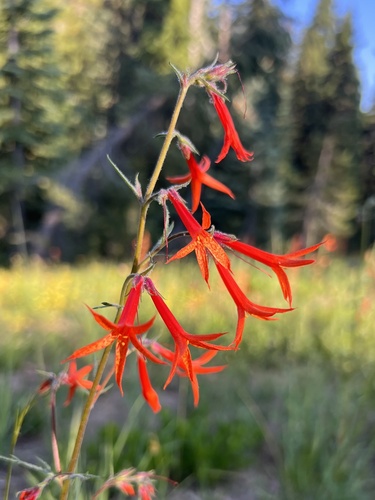
Puedes ver Scarlet Gilia, Great Blanketflower y Solomon's Plume.
Ver guía →

Wyoming, US
Puedes ver Perrito De Las Praderas y Bur Oak.
Ver guía →












