.jpg&width=800)





white baneberry
Actaea pachypoda
White baneberry is a pretty plant with white berries that look like little pearls! It grows in shady forests and is loved by many creatures, but it's important to be careful around it.
Hábitat: Forests
The white baneberry has striking clusters of bright white berries, each with a distinctive dark "pupil" scar, making them resemble doll's eyes. It features small, fuzzy white flowers in spring, followed by these unique berries held on thick, often reddish stalks.
Categoría
PlantasRareza
Common
Peligro
5/5 · Extremo
Snaps
¡Sé la primera persona en hacer un snap!
Also called "Doll's Eyes," its berries truly resemble tiny porcelain doll eyes. Cool!
Eating just six white baneberry berries can be fatal to a human! Wow!
Native Americans once used small amounts of its roots as a powerful heart medicine. Amazing!
The plant's berries contain a fast-acting toxin that quickly slows the heart if ingested. Scary!
White baneberry has highly poisonous berries and leaves, protecting it from most animals who might try to eat it.
Its bright white berries with dark tips look like eyes, possibly warning predators to stay away from the plant.
This plant has strong perennial roots that help stabilize forest soil and prevent erosion in its woodland habitat.
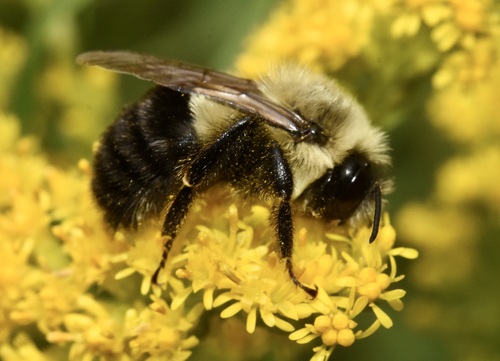
Bombus impatiens
Visits flowers to collect nectar and pollen, aiding reproduction.
Turdus migratorius
Eats berries, unaffected by toxins, dispersing seeds to new areas.
Apis mellifera
Collects nectar and pollen, assisting in plant reproduction.
Las plantas caducifolias pierden periódicamente todas sus hojas, por lo general durante el otoño o las estaciones secas.
Las plantas con flores son cualquier planta que produce flores como parte de su ciclo reproductivo.
Las plantas de floración primaveral producen sus flores durante la temporada de primavera, lo que a menudo significa el final del invierno y el comienzo de un nuevo crecimiento.
Las plantas tolerantes a la sombra están adaptadas para crecer y prosperar en áreas con bajos niveles de luz, requiriendo menos luz solar directa.

Las plantas frutales producen frutos, que son los ovarios maduros de las plantas con flores que contienen semillas.

Las plantas medicinales poseen compuestos químicos que pueden utilizarse con fines terapéuticos para tratar enfermedades o mantener la salud.

Los hábitats boscosos son entornos terrestres dominados por una densa cubierta arbórea, que sustentan una gran diversidad de vida animal y vegetal.

Los organismos venenosos producen toxinas que pueden causar daño si se ingieren, inhalan o absorben por contacto.

El estado de peligro de extinción indica que una especie corre un riesgo muy alto de extinguirse en estado silvestre en un futuro próximo.
Todavía no hay alias listados.
Peligro
5/5 · Extremo
Never touch or eat the berries, as they can make you very sick.
30-90 cm
30-60 cm
0.5-1 cm
Late spring to early summer
No
Deadly
Perenne
Insectos
Acércate para separar los grupos y explorar dónde se ha fotografiado este objeto.
Los snaps recientes aparecerán aquí a medida que se añadan nuevas observaciones.