.jpg&width=800)





White-breasted Nuthatch
Sitta carolinensis
The White-breasted Nuthatch is a small bird with a white belly and a blue-gray back. They love to climb trees and can often be seen hanging upside down while looking for food!
Hábitat: Forests
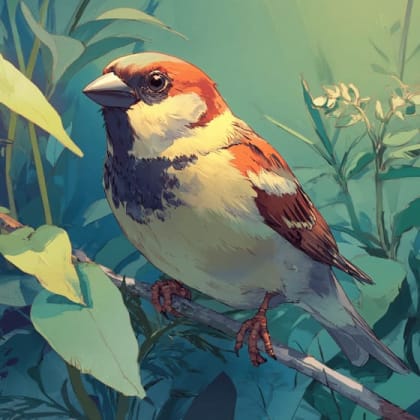
The White-breasted Nuthatch has a striking blue-gray back, a bright white chest, and a contrasting black cap. Its sharp, pointed bill and short tail distinguish it from other small forest birds.
Categoría
AvesRareza
Common
Peligro
1/5 · Muy bajo
Snaps
¡Sé la primera persona en hacer un snap!
"Nuthatch" means "nut hacker" because they famously wedge nuts into bark to open them!
Their distinctive "yank-yank" call is often one of the first sounds heard in the morning forest!
These clever birds sometimes smear insects or plants around their nest entrance to keep predators away!
They often line their cozy nests with soft fur or pieces of bark to make them extra warm.
White-breasted Nuthatch can climb down tree trunks headfirst because of its strong claws and unique leg structure.
White-breasted Nuthatch can expertly extract insects and seeds from tiny bark crevices because of its sharp, pointed beak.
White-breasted Nuthatch has a clever memory that helps them hide seeds and nuts in bark for later snacks.
A diet of insects and seeds keeps this bird healthy year-round.
Accipiter cooperii
A common avian predator of small forest birds.
Quercus alba
Provides acorns, a crucial winter food source.
Popillia japonica
Eats beetles found hidden in tree bark.
Formica fusca
Forages on ants from tree trunks and branches.
Describe a los animales, principalmente aves, que poseen una cubierta de plumas.
Los animales sociales viven en grupos organizados, cooperando para obtener beneficios de supervivencia como la búsqueda de alimento, la defensa y la cría de descendencia.
Los animales cantores producen vocalizaciones complejas, a menudo con el propósito de atraer parejas, defender el territorio o comunicarse dentro de su especie.
Los animales arborícolas viven principalmente en los árboles, utilizándolos como refugio, alimento y protección contra los depredadores.

Este rasgo identifica a los organismos cuya dieta consiste principalmente en insectos y otros pequeños invertebrados.

Los hábitats boscosos son entornos terrestres dominados por una densa cubierta arbórea, que sustentan una gran diversidad de vida animal y vegetal.

Los animales diurnos están activos principalmente durante el día y suelen descansar o dormir por la noche.
Todavía no hay alias listados.
Peligro
1/5 · Muy bajo
Enjoy watching birds from a distance, and don't try to touch or catch them.
13-14 cm
20-27 cm
0.02-0.03 kg
2-10 años
35 km/h
A diet of insects and seeds keeps this bird healthy year-round.
Forests
Foraging
Acércate para separar los grupos y explorar dónde se ha fotografiado este objeto.
Los snaps recientes aparecerán aquí a medida que se añadan nuevas observaciones.
.JPG)
Massachusetts, US
Puedes ver Virginia Bluebells y Great Golden Digger Wasp.
Ver guía →

Illinois, US
Puedes ver White Mulberry, Pinzón Mexicano y Scissor Grinder.
Ver guía →
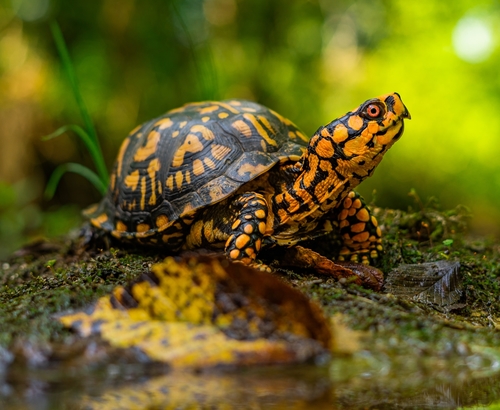
Virginia, US
Puedes ver Tortuga De Caja Oriental, Sicómoro y Grape Family.
Ver guía →
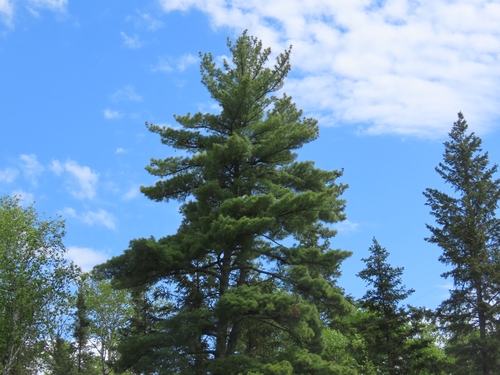
Connecticut, US
Puedes ver Pino Blanco Oriental, Tsuga Del Canadá y Laurel De Montaña.
Ver guía →

Quebec, CA
Puedes ver Ardilla Gris Oriental, Pato y Marmota.
Ver guía →
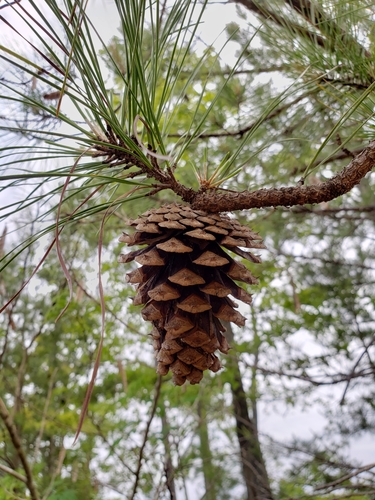
Virginia, US
Puedes ver Loblolly Pine, Fox Grape y Sensitive Fern.
Ver guía →