






White-headed Woodpecker
Leuconotopicus albolarvatus
The White-headed Woodpecker is a striking bird with a white head and black body. It loves to peck on trees to find yummy insects and make its home in the forest.
Hábitat: Forests
The White-headed Woodpecker has a striking appearance with an entirely black body contrasting sharply with its pure white head. Males also boast a distinctive red patch on the back of their neck. White wing patches are visible during flight.
Categoría
AvesRareza
Common
Peligro
1/5 · Muy bajo
Snaps
¡Sé la primera persona en hacer un snap!
These birds prefer to live in tall, fire-scorched pine forests in the mountains.
They often get sticky pine pitch on their white faces from digging into cones for food.
This woodpecker loves pine seeds so much, it hardly pecks for insects like other woodpeckers!
Young White-headed Woodpeckers sport a cool red cap on their heads that disappears with age.
White-headed Woodpecker has a strong, wedge-tipped beak to extract nutritious pine seeds directly from tight cones.
White-headed Woodpecker has stiff tail feathers that act like a prop, helping them brace securely against tree trunks while climbing.
White-headed Woodpecker can extend a long, barbed tongue covered in sticky saliva to snatch hidden insects from bark crevices.
They munch on tasty pine seeds and dig out hidden insects from tree bark and wood.
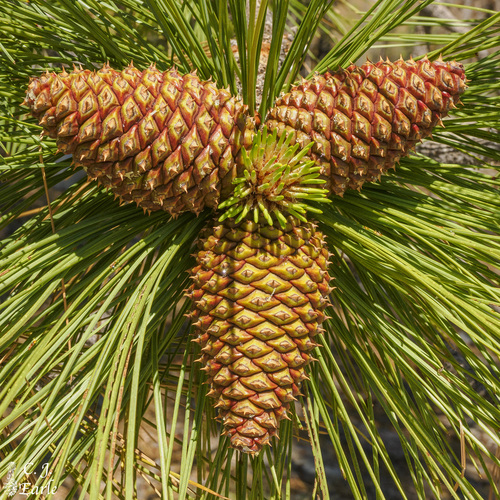
Pinus ponderosa
for seeds, nesting cavities, and insect prey found in its bark.
Dendroctonus ponderosae
as a primary food source, extracting them from beneath pine bark.
Accipiter gentilis
as a potential avian predator in its forested habitat.

Glaucomys sabrinus
by using abandoned woodpecker cavities for nesting and roosting.
Describe a los animales, principalmente aves, que poseen una cubierta de plumas.
Los animales solitarios viven solos durante la mayor parte de su vida y solo interactúan con otros para aparearse o cuidar de sus crías.
Los animales arborícolas viven principalmente en los árboles, utilizándolos como refugio, alimento y protección contra los depredadores.
Este rasgo identifica a los organismos cuya dieta consiste principalmente en insectos y otros pequeños invertebrados.

Esta característica describe a los organismos que manipulan objetos externos para lograr un objetivo específico.

Los hábitats boscosos son entornos terrestres dominados por una densa cubierta arbórea, que sustentan una gran diversidad de vida animal y vegetal.

Los animales diurnos están activos principalmente durante el día y suelen descansar o dormir por la noche.

Describe una especie cuya presencia y papel tienen un efecto desproporcionadamente grande en su entorno.
Todavía no hay alias listados.
Peligro
1/5 · Muy bajo
Always watch birds from a distance and don't try to touch them.
21-25 cm
43-48 cm
0.05-0.07 kg
4-9 años
45 km/h
They munch on tasty pine seeds and dig out hidden insects from tree bark and wood.
Forests
Foraging
Acércate para separar los grupos y explorar dónde se ha fotografiado este objeto.
Los snaps recientes aparecerán aquí a medida que se añadan nuevas observaciones.










.jpg&width=800)

