
.jpg&width=800)





White-marked Tussock Moth
Orgyia leucostigma
The White-marked Tussock Moth is a fuzzy caterpillar that turns into a beautiful moth. It has soft, white tufts on its body that make it look like it's wearing a fluffy coat!
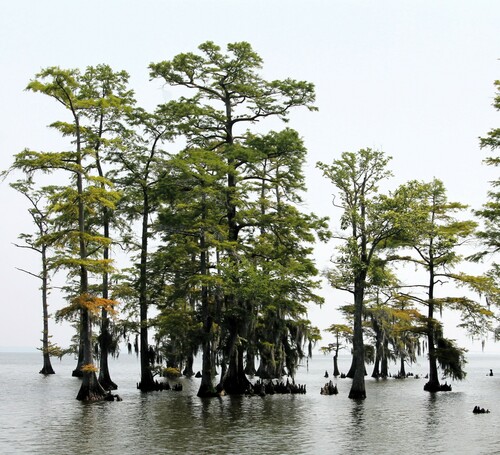
Hábitat: Forests
The White-marked Tussock Moth is sexually dimorphic. Males have mottled grayish-brown wings marked with wavy dark lines and a distinct white spot on each forewing. Females are wingless, with a plump, grayish-tan body covered in short hairs, resembling a fuzzy blob.
Categoría
InsectosRareza
Common
Peligro
2/5 · Bajo
Snaps
¡Sé la primera persona en hacer un snap!
Male moths are super good at finding females from far away, just by smelling their perfume!
Mom moths lay their eggs right on top of their old cocoons, making a cozy nursery!
The female moth has no wings and can't fly, she just waits for a mate!
Their caterpillars have bright 'tussocks' of hair, making them look like tiny fuzzy artists' brushes!
White-marked Tussock Moth caterpillars have spiky, irritating hairs that can cause a rash, helping deter predators.
Female moths are completely wingless, remaining near their cocoons and attracting males with powerful pheromones.
Young caterpillars can create a silken safety line, allowing them to drop quickly from danger and climb back up.
As caterpillars, they munch on the leaves of many different trees and shrubs.
Diferencias por edad: Adult moths do not feed, focusing solely on reproduction; only the larvae (caterpillars) eat.
Quercus alba
Caterpillars feed on their leaves, sometimes causing defoliation.
Acer saccharum
Larvae consume the foliage of maple trees.
Trichogramma ostriniae
Tiny wasps lay eggs inside the moth's eggs, preventing hatching.
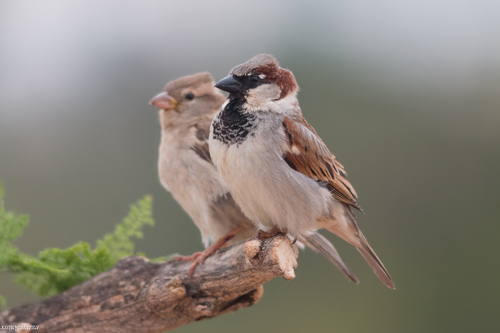
Passer domesticus
Birds prey on the caterpillars and pupae.
Peludo describe a los animales que poseen una cubierta densa de pelo o pelaje suave.
Los animales solitarios viven solos durante la mayor parte de su vida y solo interactúan con otros para aparearse o cuidar de sus crías.
Este rasgo caracteriza a los organismos cuya dieta consiste total o principalmente en material vegetal.
Los hábitats boscosos son entornos terrestres dominados por una densa cubierta arbórea, que sustentan una gran diversidad de vida animal y vegetal.

Los animales diurnos están activos principalmente durante el día y suelen descansar o dormir por la noche.

Describe organismos que transfieren polen, permitiendo la fertilización y reproducción de las plantas.
Todavía no hay alias listados.
Peligro
2/5 · Bajo
Don't touch the caterpillar, as its hairs can irritate your skin.
25-35 mm
15-35 mm
5-15 días
As caterpillars, they munch on the leaves of many different trees and shrubs.
Forests
Foraging
6
Acércate para separar los grupos y explorar dónde se ha fotografiado este objeto.
Los snaps recientes aparecerán aquí a medida que se añadan nuevas observaciones.




.jpg&width=800)




_Erannis_defoliaria_-_Jaskulin_-_Poland_-_male.jpg&width=800)



_Pyrgus_malvoides_-_France_-_male.jpg&width=800)